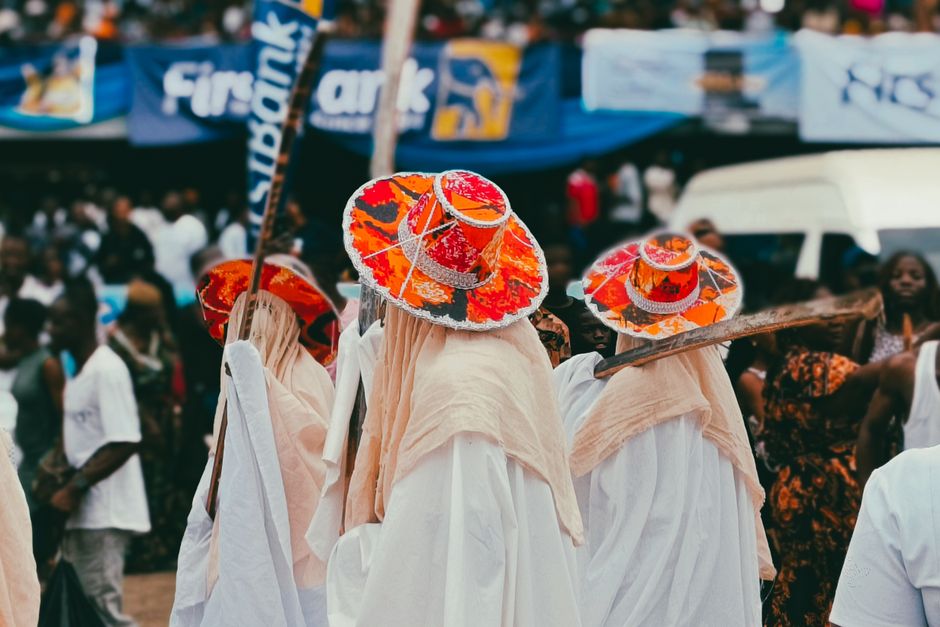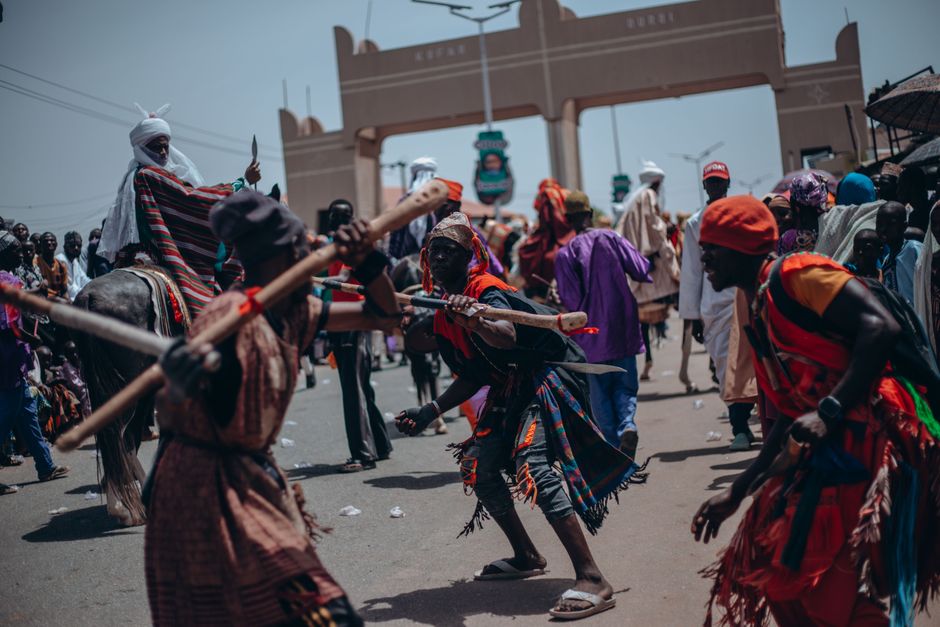
Nigeria, the giant of Africa, is a vibrant nation rich in culture and history. With over 250 ethnic groups, each boasting its unique traditions and customs, Nigeria is a melting pot of cultural diversity. As a traveler looking to immerse yourself in the heart of Africa, understanding Nigeria's cultural heritage is a journey you won't want to miss. From the bustling streets of Lagos to the tranquil landscapes of the north, Nigeria offers a tapestry of experiences waiting to be explored.
Whether you're drawn to its rhythmic beats, colorful festivals, or the tantalizing aroma of its cuisine, Nigeria's cultural offerings are as diverse as its people. This guide will take you through Nigeria's cultural landscape, offering insights into what makes this West African gem a must-visit for culture enthusiasts.
So, pack your bags and get ready to uncover the soul of Nigeria, where every corner tells a story, and every interaction is a learning experience. Welcome to your ultimate guide to exploring Nigeria's rich cultural heritage.
The Vibrant Festivals of Nigeria
Argungu Fishing Festival
The Argungu Fishing Festival, held annually in Kebbi State, is a celebration of tradition and skill. This four-day event, which usually takes place in March, attracts thousands of participants and spectators from all over Nigeria and beyond.
- Participants compete to catch the largest fish in the Mata Fada River using only traditional tools.
- The festival includes cultural displays, music, and dance, showcasing the rich heritage of the Kebbawa people.
- It's not just a competition but a display of unity, fostering community spirit and cultural pride.
The Argungu Fishing Festival is a testament to Nigeria's enduring traditions, offering visitors a chance to witness a unique blend of culture and competition.
Osun-Osogbo Festival
Held in Osogbo, the capital of Osun State, the Osun-Osogbo Festival is a two-week celebration honoring the Yoruba goddess of fertility, Oshun. It's a UNESCO recognized event, underscoring its cultural significance.
- The festival features sacrificial rites, traditional dances, and musical performances.
- Visitors can witness the Arugba (a young virgin girl) carrying sacrifices to the sacred grove.
- The festival promotes the preservation of Yoruba culture and traditions in contemporary times.
Experiencing the Osun-Osogbo Festival is to witness the living history of the Yoruba people, a celebration of faith, unity, and tradition.
A Taste of Nigerian Cuisine
Jollof Rice - A West African Staple
No exploration of Nigerian culture is complete without indulging in its cuisine. Jollof rice, a beloved dish across West Africa, is a must-try for anyone visiting Nigeria.
- It's a flavorful blend of rice, tomatoes, peppers, and a variety of spices.
- Each region in Nigeria adds its unique twist, making it a versatile and ever-evolving dish.
- The age-old debate of which country makes the best Jollof is a conversation starter you cannot miss.
Pairing Jollof rice with sides like fried plantains and grilled chicken or fish enhances the experience, offering a truly Nigerian taste sensation.
Suya - The Nigerian Barbecue
Suya, a spicy meat skewer, is Nigeria's answer to the barbecue. Often sold by street vendors, it's a popular snack that brings people together, whether at a street corner or a family gathering.
- Made from beef, chicken, or goat meat, it's marinated in a mix of spices and grilled over an open flame.
- Suya is typically served with onions, tomatoes, and sometimes local spices sprinkled on top.
- It's a perfect representation of Nigeria's love for spicy, flavorful food.
Sampling Suya is more than just tasting Nigerian cuisine; it's about embracing a communal spirit and experiencing the warmth of Nigerian hospitality.
Nigeria's Diverse Cultural Practices
Traditional Ceremonies and Rituals
Nigeria's cultural landscape is dotted with various ceremonies and rituals, each representing different aspects of life, from birth to death.
- Naming ceremonies (Ikomo) are significant in Nigerian cultures, celebrating the arrival of a new life with prayers, blessings, and festivities.
- Weddings are vibrant affairs, often involving traditional attire and dances unique to each ethnic group.
- Funeral rites are equally significant, celebrating the life of the deceased with pomp and ceremony.
These practices are deeply rooted in Nigeria's cultural identity, offering visitors a glimpse into the values and beliefs that bind communities together.
Art and Handicrafts
Nigerian art and handicrafts reflect the country's rich history and cultural diversity. From sculptures to textiles, each piece tells a story of its origin.
- The Nok terracotta sculptures, dating back to 500 BC, are among Nigeria's most famous archaeological artifacts.
- Adire textiles, originating from the Yoruba people, showcase intricate designs made using resist dyeing techniques.
- Nigerian beadwork, often used in traditional attire, is both beautiful and symbolic, representing status and identity.
Art in Nigeria is not just an expression of creativity; it's a living testament to the country's cultural evolution and diversity.
Music and Dance: The Heartbeat of Nigeria
Afrobeats and Highlife
Nigeria's music scene is as diverse as its culture, with genres like Afrobeats and Highlife gaining international recognition.
- Afrobeats, characterized by its fusion of traditional African rhythms and modern sounds, has become a global phenomenon.
- Highlife, originating in Ghana but popularized in Nigeria, is known for its jazzy horns and guitar-led rhythms.
- Nigerian artists like Fela Kuti and Burna Boy have played pivotal roles in bringing these genres to a global audience.
Music in Nigeria is more than entertainment; it's a unifying force that transcends cultural and ethnic boundaries.
Traditional Dance Forms
Dancing is an integral part of Nigerian culture, with each ethnic group having its unique dance forms.
- The Bata dance, performed by the Yoruba, involves intricate footwork and is often accompanied by talking drums.
- The Atilogwu dance from the Igbo is an energetic performance, known for its acrobatic movements.
- The Swange dance of the Tiv people is graceful and rhythmic, reflecting the agricultural lifestyle of its practitioners.
Participating in or watching these dances offers a deeper understanding of Nigeria's cultural richness and vitality.
Conclusion
Exploring Nigeria's rich cultural heritage is a journey through the heart of West Africa. From its vibrant festivals and diverse cuisine to its traditional ceremonies and captivating music, Nigeria offers a cultural experience like no other. Whether you're a first-time visitor or a returning traveler, the stories, flavors, and rhythms you encounter will leave a lasting impression.
As you navigate through this diverse nation, remember that each experience is an opportunity to connect with its people and traditions, making your journey not just a visit, but a discovery of a vibrant cultural mosaic. So, as you plan your trip to Nigeria, be prepared to explore, learn, and immerse yourself in the rich tapestry that is Nigeria.
Your adventure awaits, where culture meets hospitality, and every moment is a celebration of life.