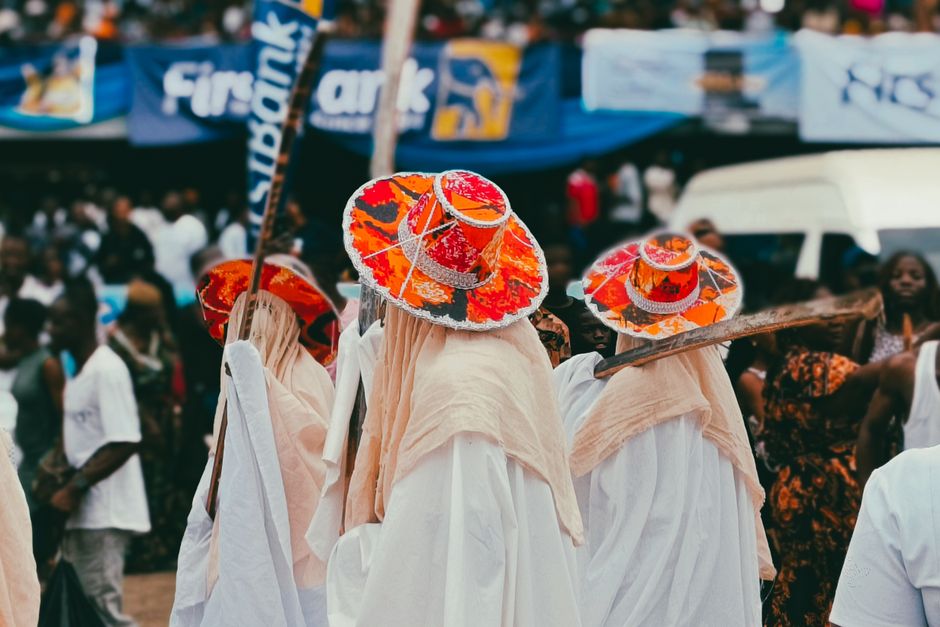
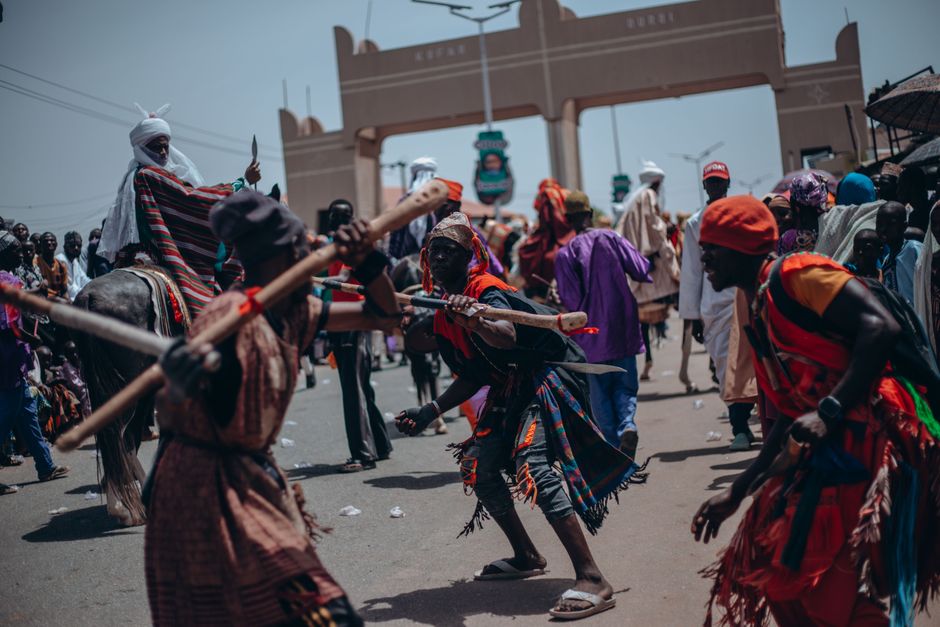
Nigeria, often referred to as the 'Giant of Africa,' is known for its rich cultural heritage, diverse ethnic groups, and vibrant festivals. Whether you're a Nigerian seeking to reconnect with your roots or a traveler eager to explore a new destination, Nigeria's cultural landscape offers something for everyone. From the bustling streets of Lagos to the serene landscapes of the north, Nigeria's cultural heritage is a mosaic of colorful traditions, languages, and music that tells the story of its people.
This journey into Nigeria's cultural heritage begins with an exploration of its ethnic diversity. With over 250 ethnic groups, each boasting unique traditions and practices, Nigeria is a melting pot of cultures. The Yoruba, Igbo, and Hausa-Fulani are the three major ethnic groups, each contributing to Nigeria's rich cultural fabric. Let’s delve into these cultures and explore their traditions, festivals, and the role they play in contemporary Nigerian society.
The Yoruba: Custodians of Tradition
Language and Oral Traditions
The Yoruba people, primarily found in the southwestern part of Nigeria, are renowned for their fascinating oral traditions and vibrant languages. Yoruba folktales, proverbs, and songs have been passed down through generations, serving as a means of preserving history and imparting wisdom.
Despite the influence of modernity, many Yoruba still hold onto these traditional narratives, ensuring that the stories of their ancestors continue to illuminate Yoruba culture. Yoruba is not just a language but a cultural identity that binds the community together.
Cultural Festivals
The Yoruba are famous for their spectacular festivals which celebrate everything from harvests to spiritual rebirth. The Osun-Osogbo Festival, for example, is a UNESCO-recognized event that draws thousands of visitors each year. It celebrates the goddess Osun, a symbol of fertility and love, and reflects the community's spiritual depth and connection to nature.
The Osun-Osogbo Festival is a vivid display of Yoruba spirituality and artistry, attracting visitors from around the world and showcasing the vibrancy of Yoruba culture.
Traditional Attire and Crafts
The Yoruba attire is a vibrant expression of their identity. The colorful 'aso-oke' and 'ankara' fabrics are not only fashion statements but also cultural symbols worn during significant events. Yoruba craftsmanship is showcased in their intricate beadwork, pottery, and carvings, making them celebrated artists within and beyond Nigeria.
The Igbo: Innovators and Entrepreneurs
Igbo Traditional Music and Dance
The Igbo people, residing predominantly in southeastern Nigeria, are known for their energetic music and dance. Traditional Igbo music often involves complex rhythms and is performed during festivals and community gatherings. The famous 'Ekpe' masquerade is a captivating dance that is as much a spiritual experience as it is a cultural celebration.
Entrepreneurial Spirit
The Igbo are famed for their entrepreneurial spirit, often referred to as the 'Igbo apprenticeship system,' which is a unique business model that has fostered commerce and wealth among the Igbo community. This model emphasizes mentorship, community support, and economic empowerment.
The Igbo apprenticeship system is a testament to their resilience and ingenuity, creating a thriving business community that extends across Nigeria and beyond.
Cultural Celebrations
Igbo festivals such as the New Yam Festival celebrate agriculture and community. This annual event marks the end of the farming season and is characterized by feasting, music, and dance, strengthening community bonds and honoring the earth's bounty.
The Hausa-Fulani: Keepers of Tradition and Faith
Religious Practices
The Hausa-Fulani, primarily residing in northern Nigeria, are predominantly Muslim, and their culture is deeply intertwined with Islamic traditions. Their religious practices, including the observance of Ramadan and the celebration of Eid, are central to their identity and community life.
Traditional Arts and Crafts
The Hausa-Fulani are skilled artisans, known for their exquisite leatherwork, embroidery, and metalwork. These crafts not only serve functional purposes but also play a critical role in cultural expression and preservation.
Traditional Music and Dance
Music and dance are integral to Hausa-Fulani culture, with traditional performances often accompanying weddings and other social gatherings. The 'Durbar' festival, featuring horsemen adorned in elaborate costumes, is a spectacle that showcases the grace and discipline of Hausa horsemanship.
Connecting with Nigeria's Cultural Heritage Today
Modern Influences
In contemporary Nigeria, there is a resurgence of interest in traditional culture, seen in the growing popularity of indigenous music, fashion, and art. This cultural renaissance is driven by a new generation eager to blend modernity with tradition, creating a unique Nigerian identity.
Visiting Cultural Sites
Nigeria boasts numerous cultural landmarks where visitors can immerse themselves in its rich heritage. From the ancient Nok Terracotta sculptures to the Osun-Osogbo Sacred Grove, these sites offer a window into Nigeria's past and present cultural landscapes.
Exploring Nigeria's cultural sites is an enriching experience that offers profound insights into the country's history and traditions, making it a must-do for any cultural enthusiast.
Conclusion
Exploring Nigeria's cultural heritage is a journey through time, offering insights into the lives and traditions of its people. From the Yoruba's spiritual festivals to the Igbo's entrepreneurial endeavors and the Hausa-Fulani's artistic expressions, Nigeria's cultural tapestry is as diverse as it is rich. Whether you're a local or a visitor, delving into Nigeria's cultural heritage is an opportunity to connect with the essence of what makes Nigeria truly unique.