Nigeria, often celebrated for its diverse landscapes and bustling cities, is equally rich in its vibrant cultural heritage. With over 250 ethnic groups, the country's cultural tapestry is as complex as it is colorful. As a Nigerian or someone interested in Nigerian culture, understanding this heritage can offer a profound appreciation for the nation's identity and its people.
Whether it's the rhythmic beats of traditional music, the captivating stories passed down through generations, or the vibrant costumes worn during festivals, Nigeria's cultural practices are not just traditions; they're living stories that continue to evolve. Let's embark on an exploration of Nigeria's cultural riches, from its historical roots to its contemporary expressions.
The Historical Roots of Nigerian Culture
Origins and Influences
Before delving into modern practices, it's crucial to understand the historical roots of Nigerian culture. Archaeological evidence suggests that Nigeria has been inhabited for thousands of years, with early societies such as the Nok Civilization leaving behind a legacy of terracotta sculptures. These early inhabitants laid the groundwork for the diverse ethnic groups we see today.
The trans-Saharan trade routes and subsequent interactions with Arab traders introduced new ideas and practices into the region, influencing local cultures. This blend of indigenous and foreign influences created a unique cultural landscape that would continue to evolve over the centuries.
Colonial Impact
The colonial era brought about significant changes in Nigeria's cultural landscape. The British imposed their own systems of governance and education, which had lasting effects on Nigerian society. However, despite these changes, many Nigerians maintained their traditional practices, blending them with new influences to create a unique fusion of cultures.
This period also saw the emergence of new cultural forms, such as the vibrant Lagos music scene, which combined traditional African rhythms with Western musical styles, giving birth to genres like Afrobeat.
Traditional Practices and Beliefs
Language and Communication
Language is a vital component of culture, and Nigeria boasts a rich linguistic diversity with over 500 languages spoken across the country. Among the most widely spoken are Hausa, Yoruba, and Igbo, each with its own rich literary and oral traditions.
In Nigerian culture, storytelling is a revered art form. The oral tradition is used to pass down history, morals, and wisdom from one generation to the next. These stories often feature folktales, proverbs, and songs, reflecting the values and beliefs of the community.
Religious Practices
Religion plays a central role in Nigerian culture, with Islam and Christianity being the dominant faiths. However, traditional African religions are still practiced, especially in rural areas. These beliefs often involve the worship of ancestral spirits and deities, with rituals and ceremonies playing a significant role in community life.
"Religion in Nigeria is not just about beliefs; it's about community, identity, and connection."
Cultural Expressions: Art, Music, and Dance
Artistic Heritage
Nigerian art is renowned for its diversity and vibrancy. From the intricate bronze sculptures of the Benin Kingdom to the contemporary works of artists like Ben Enwonwu, Nigerian art reflects the country's dynamic cultural environment.
Art is not just a form of expression but also a means of communication. It often conveys social, political, and spiritual messages, serving as a bridge between the past and the present.
Music and Dance
Music and dance are integral to Nigerian culture, providing a sense of identity and community. Nigerian music, with its infectious rhythms and melodies, has gained international acclaim. Genres such as Afrobeat, pioneered by Fela Kuti, have become global phenomena.
Dance is equally important, with traditional dances performed during festivals and ceremonies. Each dance has its own unique style and significance, often telling a story or conveying a message. From the energetic Bata dance of the Yoruba to the graceful Atilogwu dance of the Igbo, Nigerian dances are a celebration of life and culture.
Festivals: A Celebration of Life
Major Cultural Festivals
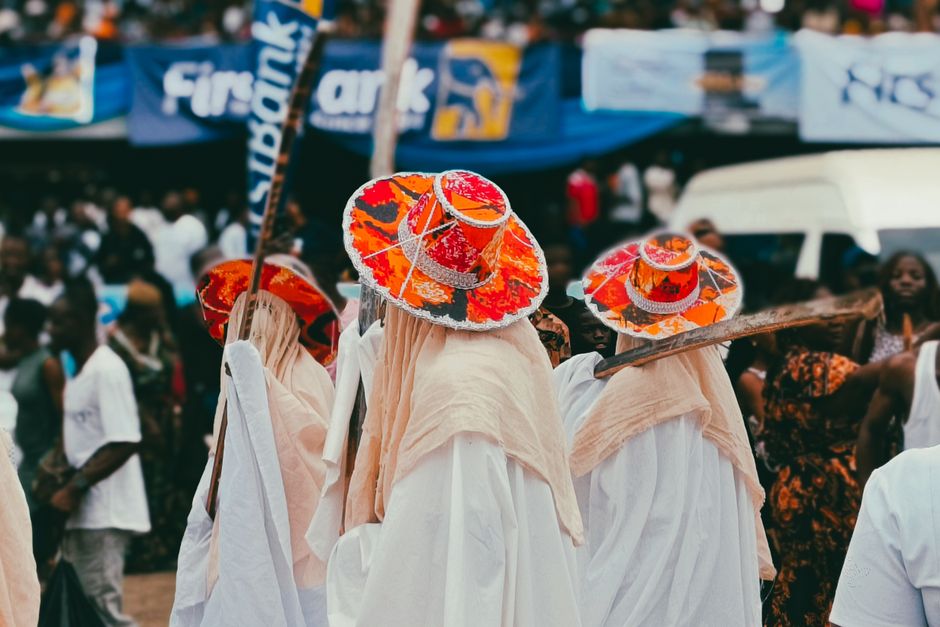
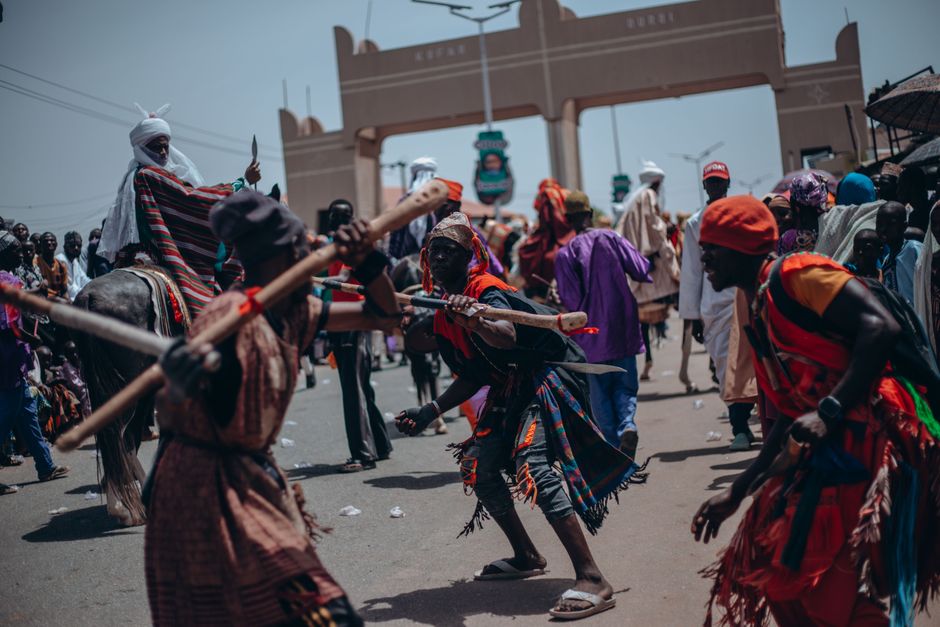
Nigerian festivals are vibrant expressions of cultural identity and community spirit. They provide an opportunity to celebrate traditions, honor ancestors, and strengthen social bonds. Some of the most prominent festivals include the Osun-Osogbo Festival, a UNESCO-recognized cultural event, and the Durbar festival celebrated in various northern states.
Each festival is characterized by colorful costumes, traditional music, and elaborate ceremonies, providing a feast for the senses and a deeper understanding of the cultural values they represent.
Modern Celebrations
In addition to traditional festivals, Nigeria has embraced modern celebrations that reflect contemporary cultural practices. Events like the Lagos Carnival and the Calabar Carnival showcase the creativity and dynamism of Nigerian culture, attracting visitors from around the world.
These festivals are not just about entertainment; they're platforms for cultural exchange, economic empowerment, and national pride.
Challenges and Opportunities in Preserving Nigerian Culture
Cultural Erosion
Despite its richness, Nigerian culture faces challenges such as globalization and cultural erosion. The younger generation is increasingly influenced by Western values, leading to a decline in traditional practices.
Efforts are being made to preserve Nigeria's cultural heritage through education, documentation, and the promotion of indigenous languages and practices. Schools and cultural organizations play a crucial role in keeping these traditions alive.
Tourism and Economic Impact
Cultural tourism presents a significant opportunity for Nigeria. By promoting its cultural heritage, the country can attract international tourists, boost the economy, and create employment opportunities.
"Cultural tourism is more than just an economic activity; it's a way to share our stories with the world and foster understanding."
Investing in cultural infrastructure, such as museums and cultural centers, can enhance Nigeria's appeal as a cultural destination and provide a sustainable source of income for local communities.
Conclusion
Nigeria's cultural heritage is a vibrant tapestry woven from the threads of history, tradition, and modernity. It tells the story of a resilient people who have maintained their identity in the face of change. As Nigerians, understanding and preserving this heritage is not just about honoring the past; it's about shaping the future.
By celebrating our cultural diversity, we can foster national unity, promote economic growth, and share the richness of Nigerian culture with the world. Whether you're a local or a visitor, exploring Nigeria's cultural landscape is a rewarding journey that offers insights into the soul of the nation.