Nigeria, often referred to as the 'Giant of Africa', is a land of immense cultural diversity and tradition. With over 250 ethnic groups and more than 500 languages, the cultural fabric of Nigeria is as vibrant as it is complex. For Nigerians and visitors alike, understanding this rich cultural tapestry offers an enriching experience that goes beyond the typical tourist trail. Let's embark on a journey to explore Nigeria's cultural heritage, each thread of which tells a unique story, defines communities, and connects generations.
From the bustling streets of Lagos to the serene landscapes of Jos, Nigeria's culture is woven into every aspect of life. The music, art, dance, and festivals not only define the local way of life but also reflect the country's history and aspirations. Whether you're attending a traditional wedding in Ibadan or savoring the unique flavors of a meal in Kano, the essence of Nigerian culture is always present. This deep dive into Nigeria's cultural heritage aims to provide readers with an insider's perspective on what makes this country truly unique.
The Diversity of Nigerian Ethnic Groups
Nigeria's vast cultural landscape is primarily driven by its diverse ethnic groups. The three largest groups—Hausa, Igbo, and Yoruba—each bring their unique traditions, languages, and customs.
Hausa Traditions
The Hausa, predominantly found in the northern region, are known for their vibrant bazaars and rich oral traditions. If you find yourself in cities like Kano or Kaduna, you'll quickly notice the distinct architectural style with elaborate mosques and palaces.
"The Hausa people's traditional attire, the babanriga, is a symbol of their pride and cultural identity."
Igbo Heritage
The Igbo people, residing mainly in the southeastern part of Nigeria, are well-known for their entrepreneurial spirit and intricate traditional festivals such as the New Yam Festival.
The mask dances, often seen during these festivals, are an extraordinary spectacle of history and art interwoven into one.
Yoruba Customs
The Yoruba, located in the southwest, are famed for their rich mythology and artistic expressions. Cities like Lagos and Ibadan are cultural hubs where traditional music and contemporary art coexist.
One must not miss the opportunity to witness a Yoruba wedding, a vibrant celebration of life and love.
Festivals That Define Nigerian Culture
Nigerian festivals are more than just events—they are a dynamic expression of cultural identity and community spirit.
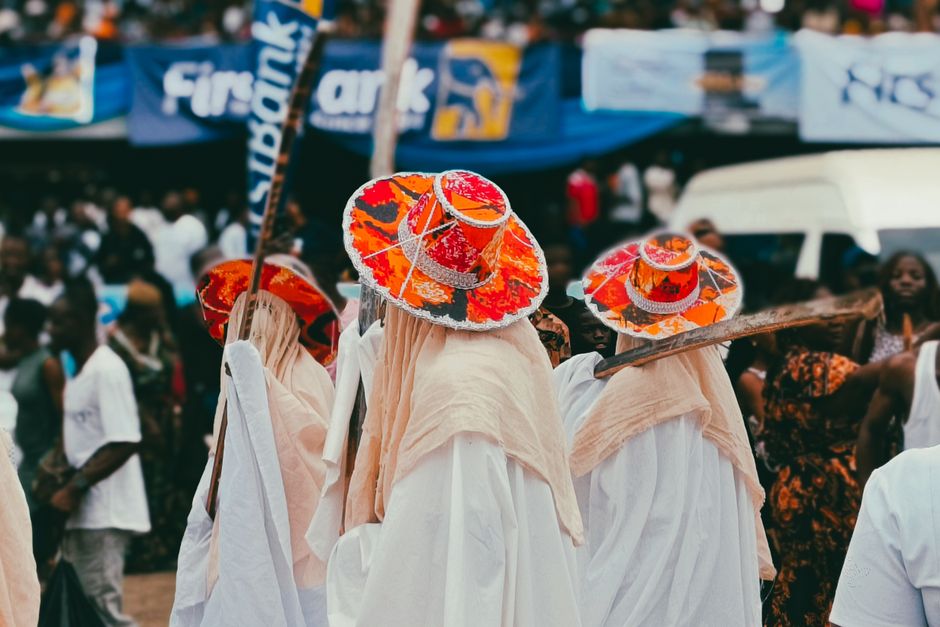
Eyo Festival
Hosted in Lagos, the Eyo Festival is a colorful street parade honoring the spirits of ancestors. Participants, clad in white robes and hats, create a mesmerizing sea of white.
"The Eyo Festival is a testament to Lagos' historical significance and its lasting cultural impact on Nigeria."
Durbar Festival
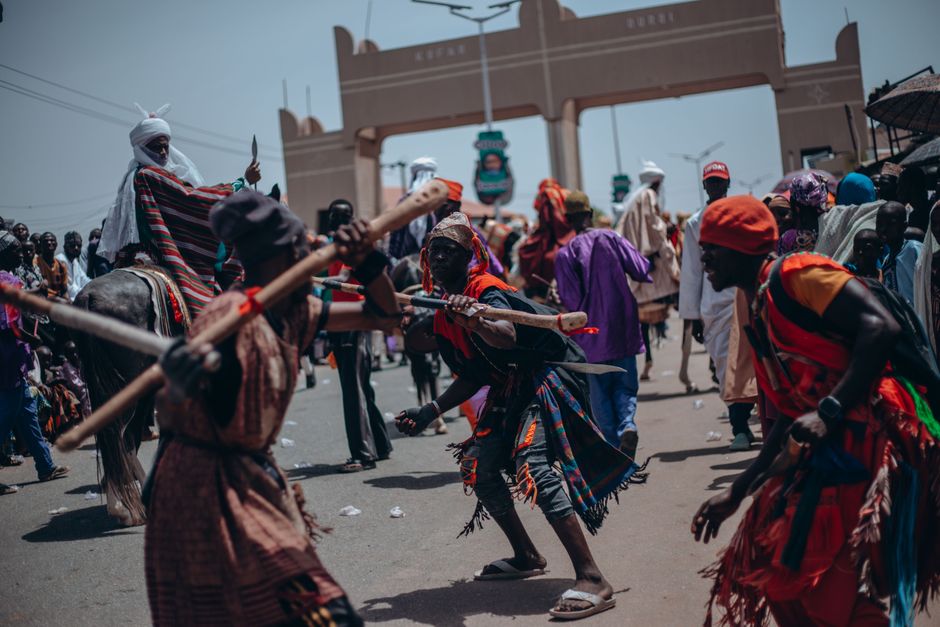
The Durbar Festival in Kano is an equestrian display of horsemanship, music, and traditional attire, marking the end of Ramadan.
This spectacle is a dazzling blend of culture and history, attracting visitors from all over the world.
Osun-Osogbo Festival
This UNESCO-listed festival celebrates the sacred Osun-Osogbo grove, a place of spirituality and natural beauty, central to the Yoruba faith.
The rituals and processions during the festival are deeply spiritual and offer insight into Yoruba beliefs.
The Culinary Delights of Nigeria
Nigerian cuisine is as diverse as its culture, with each region bringing unique flavors and dishes to the table.
Jollof Rice
No discussion of Nigerian cuisine is complete without mentioning Jollof rice, a dish that has sparked friendly rivalries across West Africa.
The rich, spicy tomato-based rice is a staple at any Nigerian gathering.
Suya
Originally from the Hausa people, Suya is a popular street food made from spicy skewered meat, often served with fresh veggies and hot pepper sauce.
Pounded Yam and Egusi Soup
A favored dish among the Yoruba, pounded yam is often paired with egusi soup, a hearty stew made from melon seeds.
This dish is not just a meal; it's an experience, best enjoyed in the company of friends and family.
Art, Music, and Dance: The Heartbeat of Nigeria
The creative arts are an essential part of Nigerian culture, providing a window into the country's soul.
Nigerian Music
Afrobeats, pioneered by artists like Fela Kuti, have put Nigerian music on the global stage. The fusion of traditional sounds with contemporary beats has created a genre that's uniquely Nigerian.
"Music in Nigeria is not just entertainment; it's a powerful form of expression and identity."
Traditional Nigerian Art
From ancient Nok sculptures to contemporary visual arts, Nigeria’s art scene is a blend of the traditional and modern.
The Role of Dance
Dance is an integral part of Nigerian culture, often used in celebrations and storytelling. Each ethnic group has its own distinctive dance style.
Whether it's the energetic bata dance of the Yoruba or the graceful Atilogwu of the Igbo, dance is an art form that connects present-day Nigeria to its ancestral past.
Conclusion
Exploring Nigeria's cultural heritage is an invitation to embrace the complexity and beauty of its traditions and people. Whether you're native to Nigeria or a curious traveler, each experience offers a deeper understanding of this vast nation. From the bustling cityscapes to the tranquil rural areas, Nigeria's culture is a testament to its rich history and hopeful future. As you delve into its cultural tapestry, you'll discover that Nigeria is not just a country—it's a vibrant mosaic of stories, traditions, and people that continue to shape its identity.