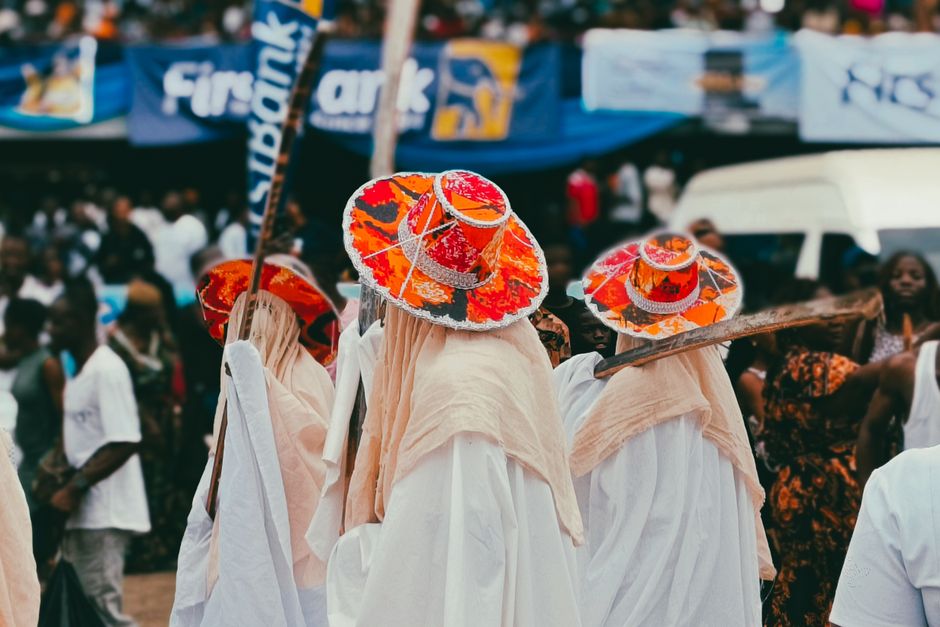
Nigeria, a country often celebrated for its vibrant spirit and rich tapestry of cultures, offers an incredible journey into a world of tradition and modernity. With over 250 ethnic groups and a diverse range of languages and customs, Nigeria presents a unique opportunity for travelers to experience Africa's cultural heart. From the bustling markets of Lagos to the serene landscapes of Jos, the depth of cultural heritage is something every traveler should explore.
As you embark on this journey, you'll discover that each region of Nigeria showcases its own unique traditions and customs, providing a plethora of experiences that cater to every interest. Whether you're a history buff eager to delve into ancient civilizations or a foodie looking to tantalize your taste buds with local delicacies, Nigeria has something to offer. Let's explore the cultural richness that defines this West African gem.
The Diverse Ethnic Groups of Nigeria
Yoruba Traditions
The Yoruba people, predominantly found in the southwestern part of Nigeria, are renowned for their vibrant festivals, music, and art. The annual Osun-Osogbo festival is a UNESCO-recognized celebration that attracts visitors from around the world, offering a glimpse into the deep spiritual traditions of the Yoruba culture.
Igbo Customs
The Igbo community is known for its entrepreneurial spirit and cultural festivals, including the New Yam Festival, which celebrates the harvest and is marked by colorful masquerades and traditional dances. Visiting an Igbo market, like Onitsha, offers a vibrant insight into their culture and commerce.
Hausa-Fulani Culture
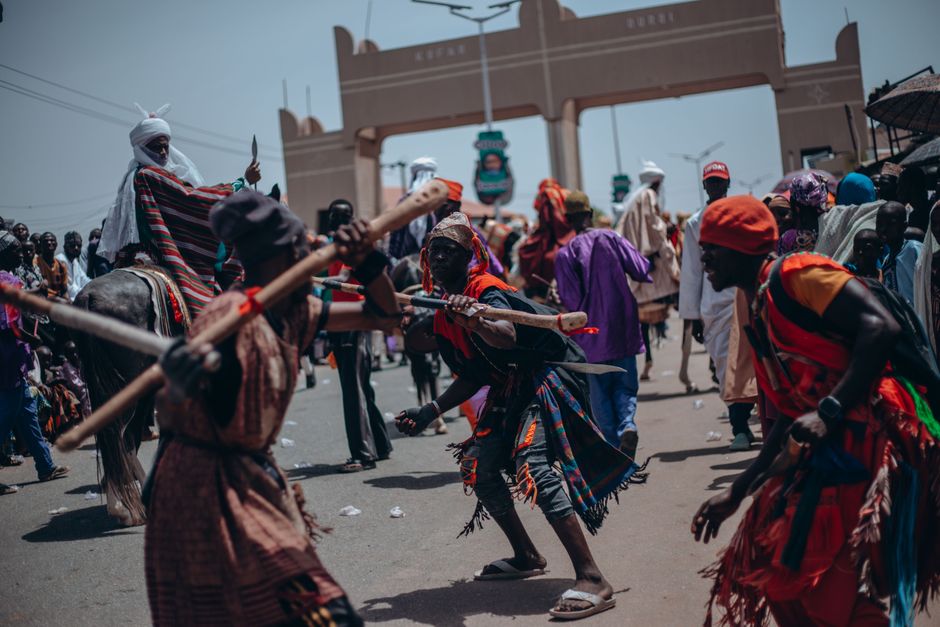
In Northern Nigeria, the Hausa-Fulani culture is characterized by its Islamic heritage and agricultural lifestyle. The Durbar festival in Kano is a must-see, showcasing a spectacular display of horsemanship, regalia, and a unique blend of African and Islamic traditions.
Language and Communication
Language in Nigeria is as diverse as its people, with over 500 languages spoken across the country. While English serves as the official language, enabling communication across ethnic lines, indigenous languages remain a key component of cultural identity.
English and Pidgin English
English is widely spoken and understood, serving as the lingua franca in business, education, and government. However, Nigerian Pidgin is a popular informal language spoken on the streets, providing a unique insight into the Nigerian way of life.
Regional Languages
Each ethnic group has its own language, with Hausa, Yoruba, and Igbo being the most widely spoken. Learning a few phrases in the local language can enhance your travel experience and help you connect with the locals on a deeper level.
Culinary Delights: A Taste of Nigeria
Nigerian cuisine is a flavorful adventure, reflecting the country's rich cultural fabric. From street food to traditional dishes, each meal tells a story of its own.
Staple Foods and Ingredients
- Jollof Rice: A quintessential Nigerian dish, known for its rich tomato flavors and vibrant colors.
- Pounded Yam and Egusi Soup: A popular dish in many Nigerian homes, combining smooth yam with a rich, nutty soup.
- Suya: Grilled spicy meat skewers, a popular street food across the country.
Unique Dining Experiences
Exploring Nigeria's food markets, like the bustling Balogun Market in Lagos, offers a sensory overload of sights, sounds, and flavors, providing a genuine taste of local life.
Arts and Crafts: The Creative Pulse
Nigeria's arts and crafts are a testament to its rich history and vibrant creativity, with each region showcasing its unique artistic expressions.
Traditional Crafts
The Aso-Oke fabric, crafted by the Yoruba, is a traditional hand-woven cloth often used in ceremonies. The intricate designs and vibrant colors are a symbol of cultural pride and artistry.
Contemporary Art Scene
Nigeria's contemporary art scene is thriving, with galleries in Lagos and Abuja showcasing works from emerging and established artists, reflecting the modern face of Nigerian creativity.
Final Thoughts
Nigeria's cultural heritage is a tapestry woven with stories, traditions, and innovations. Each region offers a unique experience, inviting you to explore its rich history and vibrant present. Whether you're drawn to the rhythm of a traditional drum, the aroma of a local dish, or the warmth of the Nigerian people, your journey through Nigeria's cultural landscape promises to be unforgettable.