Nigeria, often referred to as the 'Giant of Africa', is not just a powerhouse in terms of its economy and population, but also in its rich cultural tapestry. The country's cultural depth is a reflection of its diverse ethnic groups, each contributing unique elements to the national identity. Whether you're a local exploring your roots or a traveler seeking to immerse yourself in authentic African culture, Nigeria offers a vibrant array of traditions, music, and festivals that will captivate your senses.
From the rhythmic beats of traditional drumming to the colorful celebrations of annual festivals, Nigeria's cultural heritage is an endless source of fascination. In this article, we'll delve into some of the most significant aspects of Nigerian culture, providing insights and tips for anyone interested in experiencing this cultural richness firsthand.
The Diversity of Nigerian Ethnic Groups
Nigeria is home to over 250 ethnic groups, each with its own language, traditions, and customs. This diversity is a cornerstone of Nigeria's cultural richness.
The Yoruba People
The Yoruba, primarily located in the southwestern part of Nigeria, are known for their intricate art, traditional religion, and vibrant festivals.
- Religion and Beliefs: The Yoruba religion has influenced many Afro-Caribbean cultures.
- Art and Craft: Known for their beadwork, sculpture, and textiles.
The Hausa-Fulani
Occupying northern Nigeria, the Hausa-Fulani are predominantly Muslim and have a rich tradition of oral literature and music.
- Music: Known for their unique musical instruments like the 'kakaki'.
- Architecture: Famous for their beautiful, intricately designed mosques.
The Igbo People
The Igbo of southeastern Nigeria are known for their entrepreneurial spirit and the famous Igbo-Ukwu bronze artifacts.
- Markets: Igbo markets are bustling hubs of commerce and culture.
- Festivals: The New Yam Festival is a must-experience event.
Traditional Nigerian Music and Dance
Music and dance are integral parts of Nigerian culture, with each ethnic group offering its unique sounds and movements.
Afrobeats and Highlife
Nigeria is the birthplace of Afrobeats, a genre that has taken the world by storm. Highlife, with its jazzy feel, is another popular genre.
Fela Kuti: Known as the pioneer of Afrobeats, his music combined traditional African rhythms with jazz and funk.
"Music is the weapon of the future." - Fela Kuti
Traditional Dances
From the energetic Bata dance of the Yoruba to the war dances of the Tiv, Nigerian dances are a spectacle of grace and athleticism.
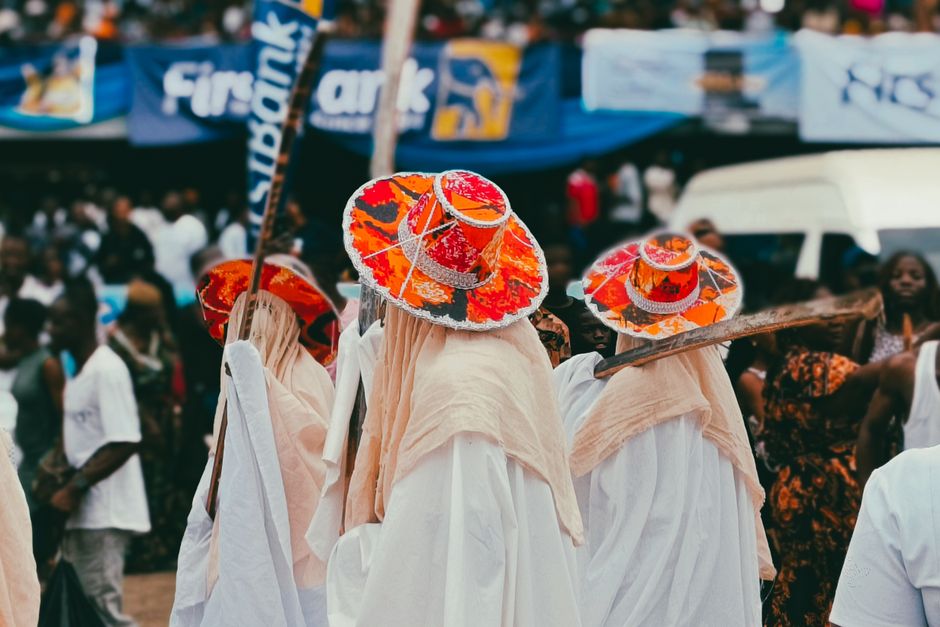
- Eyo Festival: A cultural festival unique to Lagos, featuring mask-wearing dancers in white.
- Atilogwu Dance: A vigorous dance from the Igbo people that showcases agility and strength.
Nigerian Festivals: Celebrating Culture and Community
Nigerian festivals are not just cultural showcases; they are communal gatherings that strengthen societal bonds.
Durbar Festival
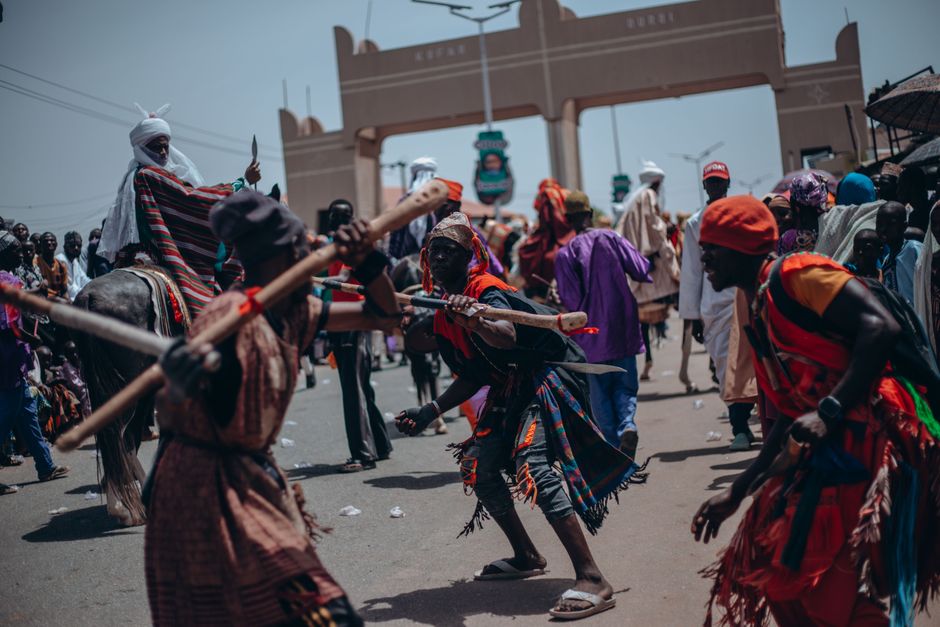
Held in the northern cities of Kano and Katsina, the Durbar Festival is a royal parade of horsemen, symbolizing the military prowess of the Hausa-Fulani.
The festival is a colorful display of traditional attire, horsemanship, and loyalty to the Emir.
Osun-Osogbo Festival
This annual festival held in Osogbo is a UNESCO World Heritage event, celebrating the river goddess Osun.
Participants offer sacrifices to the goddess, and the festival is a testament to the Yoruba's deep spiritual beliefs.
Exploring Nigerian Cuisine
Nigerian cuisine is as diverse as its culture, with mouth-watering dishes that are both flavorful and nourishing.
Popular Nigerian Dishes
Whether you’re savoring Jollof rice, a staple at any celebration, or enjoying Suya, a spicy meat skewer, Nigerian food offers something for everyone.
- Egusi Soup: A delicious soup made with melon seeds and a variety of meats and vegetables.
- Pounded Yam and Efo Riro: A classic Yoruba dish that is both hearty and satisfying.
Street Food Delights
Street food in Nigeria is a culinary adventure in itself. From Puff-Puff to Akara, these quick bites are perfect for on-the-go eating.
"No trip to Nigeria is complete without sampling the local street food, where flavors explode in every bite."
Conclusion
Exploring Nigeria's cultural heritage offers more than just a glimpse into its past; it provides a profound understanding of its present and a hopeful vision for its future. Whether you’re enchanted by the vibrant music and dance, intrigued by the diverse traditions of its people, or delighted by its flavorful cuisine, Nigeria invites you to immerse yourself in its rich tapestry. With each experience, you'll find a deeper connection not just to Nigeria, but to Africa as a whole.