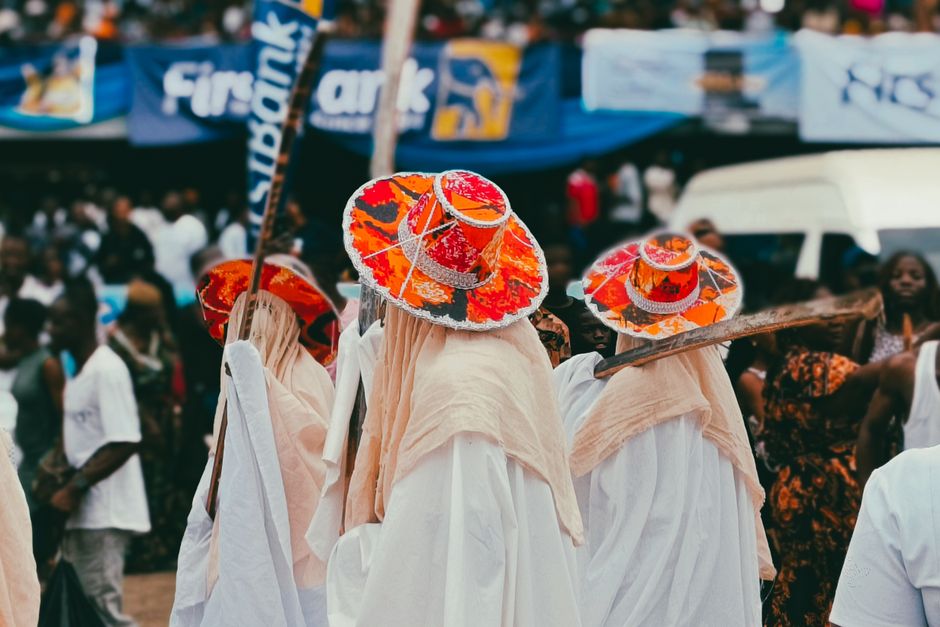
Nigeria, a country brimming with cultural diversity and vibrant traditions, offers a fascinating tapestry of festivals that captivate both locals and visitors alike. From the pulsating rhythms of traditional dances to the colorful array of costumes, Nigerian festivals are a reflection of the country's rich cultural heritage. For the Nigerian reader, these festivals are not just events; they are a celebration of identity, community, and the enduring spirit of togetherness. Join us as we embark on a cultural journey through Nigeria's most enchanting festivals, uncovering the stories, rituals, and celebrations that make them truly unique.
Whether you're an adventurer at heart or a cultural enthusiast, Nigeria's festivals provide a window into the soul of this remarkable nation. Each festival is a celebration of life, an opportunity to honor the past, and a chance to foster unity among diverse ethnic groups. As we delve into the details of these festivals, prepare to be enthralled by the stories that have been passed down through generations and the vibrant displays of art, music, and dance that define Nigerian culture.
In this article, we'll explore some of Nigeria's most notable festivals, offering insights into their historical significance, traditional practices, and the warm hospitality that awaits you. So, whether you're planning a visit or simply curious about Nigerian culture, read on to discover the magic of Nigeria's festivals and the stories that bring them to life.
The Durbar Festival
Historical Significance
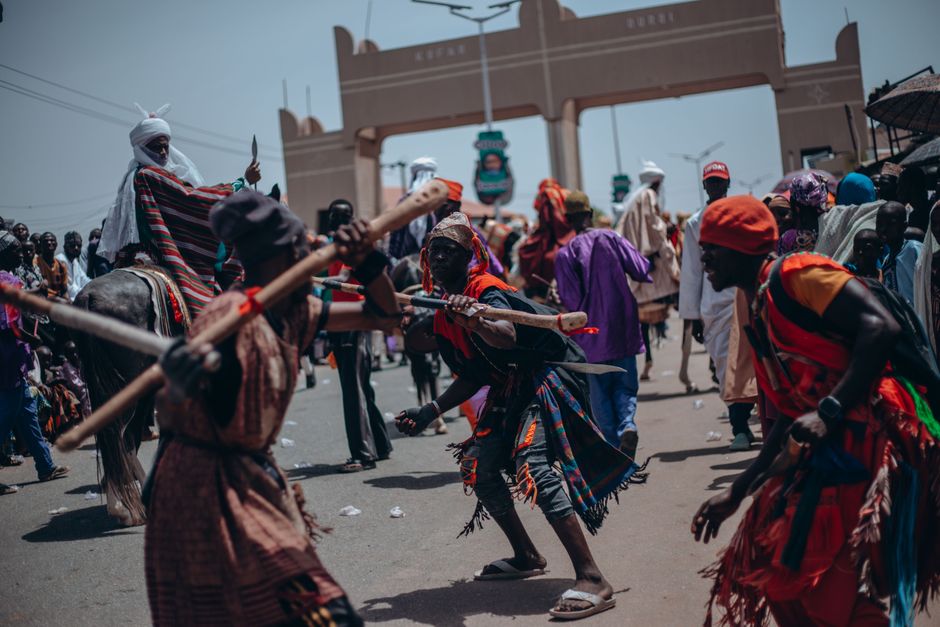
The Durbar Festival, held in various cities across Northern Nigeria, is one of the country's most spectacular cultural events. Originating from military parades, the Durbar has evolved into a vibrant celebration of culture and tradition.
Historically, the festival was a display of military might and horsemanship, held by the Emir to honor visiting dignitaries or mark significant occasions. Today, it serves as a symbol of unity and cultural pride, drawing visitors from around the world.
Celebrations and Activities
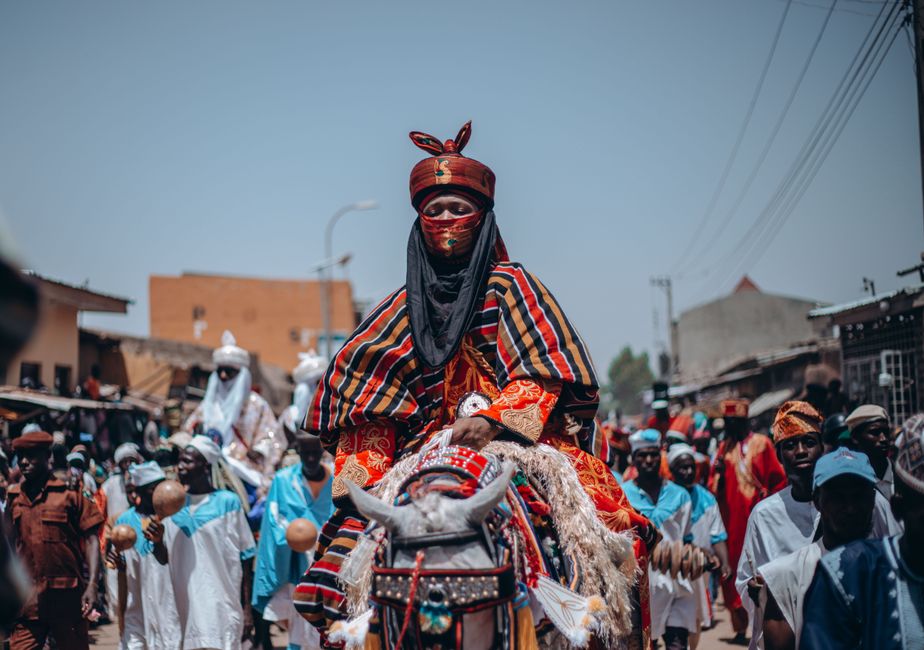
The festival features a grand procession of horsemen adorned in traditional regalia, showcasing their skill and finesse. The horses, dressed in colorful attire, prance gracefully as they parade through the streets, accompanied by the beats of traditional drums and trumpets.
Visitors are treated to an array of activities, including traditional music and dance performances, vibrant markets selling crafts and local delicacies, and ceremonial displays of cultural artifacts. The Durbar Festival is a true feast for the senses, offering a glimpse into the heart of Northern Nigerian culture.
The Durbar Festival is a celebration of unity, showcasing the rich cultural heritage of Northern Nigeria through music, dance, and equestrian displays.
The Osun-Osogbo Festival
A Celebration of Heritage
Located in the sacred Osun Sacred Grove, the Osun-Osogbo Festival is a UNESCO World Heritage site and one of Nigeria's most revered cultural events. It is held annually in honor of the river goddess Osun, a symbol of fertility and protection.
The festival is a celebration of Yoruba heritage and spirituality, attracting devotees from across Nigeria and beyond. It is a time to pay homage to the goddess, seek her blessings, and connect with the spiritual world.
The Rituals and Offerings
The festival unfolds over two weeks, culminating in a grand finale that includes a procession to the Osun River, where offerings are made to the goddess. Devotees dressed in white carry sacred calabashes filled with gifts, seeking the goddess's favor and protection.
The air is filled with traditional music and the rhythmic beats of drums, creating an atmosphere of reverence and celebration. Visitors can partake in the festivities, witness traditional rituals, and experience the spiritual energy that permeates the grove.
The Osun-Osogbo Festival is a spiritual journey, offering a unique opportunity to connect with Yoruba culture and experience the sacred traditions of the past.
The New Yam Festival
Symbolism and Tradition
The New Yam Festival, celebrated across Nigeria, marks the beginning of the harvest season and is a time of thanksgiving for a bountiful harvest. This festival is particularly significant among the Igbo people, who revere yams as a symbol of prosperity and life.
The festival is a vibrant celebration of agrarian culture, with activities centered around the preparation and consumption of yam dishes. It is a time to honor the land and its produce, offering thanks to the deities for a successful harvest.
Festivities and Culinary Delights
During the festival, communities come together to share meals, with yams taking center stage. Traditional dishes such as pounded yam, yam porridge, and yam soup are prepared in abundance, fostering a sense of communal sharing and togetherness.
The festival also features cultural displays, including traditional music, dance, and masquerade performances. It is a time for families to reunite, for communities to strengthen bonds, and for individuals to reflect on the blessings of the past year.
The New Yam Festival is a celebration of life and abundance, bringing communities together to honor the land and its gifts through feasting and festivities.
The Calabar Carnival
A Feast of Color and Creativity
The Calabar Carnival, often dubbed "Africa's Biggest Street Party," is a month-long celebration held in December in the city of Calabar. Known for its vibrant parades, elaborate costumes, and electrifying performances, the carnival is a cultural extravaganza that draws thousands of visitors.
The carnival is a platform for showcasing Nigerian culture, creativity, and hospitality. It features a variety of events, from beauty pageants and musical performances to street parades and cultural displays, each adding to the festive atmosphere.
Highlights of the Carnival
One of the most anticipated events is the street parade, where participants don colorful costumes and dance through the streets, accompanied by the rhythmic beats of African drums. The energy is infectious, and the spirit of celebration is palpable.
The carnival also promotes cultural exchange, with international participants joining in the festivities, adding a global dimension to the local celebrations. It is a time for the city to shine, for creativity to thrive, and for visitors to experience the warmth and hospitality of the Nigerian people.
The Calabar Carnival is a dazzling showcase of Nigerian culture, creativity, and unity, drawing participants and spectators from around the world.
Conclusion
Nigeria's festivals are a testament to the country's rich cultural heritage and the enduring spirit of its people. Each festival offers a unique glimpse into the traditions, beliefs, and values that define Nigerian culture, providing both locals and visitors with unforgettable experiences.
These celebrations are more than just events; they are opportunities to connect with the past, celebrate the present, and look forward to the future. Whether you're drawn to the vibrant colors of the Calabar Carnival or the spiritual energy of the Osun-Osogbo Festival, there's a festival in Nigeria waiting to captivate your heart and ignite your curiosity.
So, as you plan your next cultural adventure, consider immersing yourself in the magic of Nigeria's festivals. You'll not only witness the beauty and diversity of Nigerian culture but also create memories that will last a lifetime.