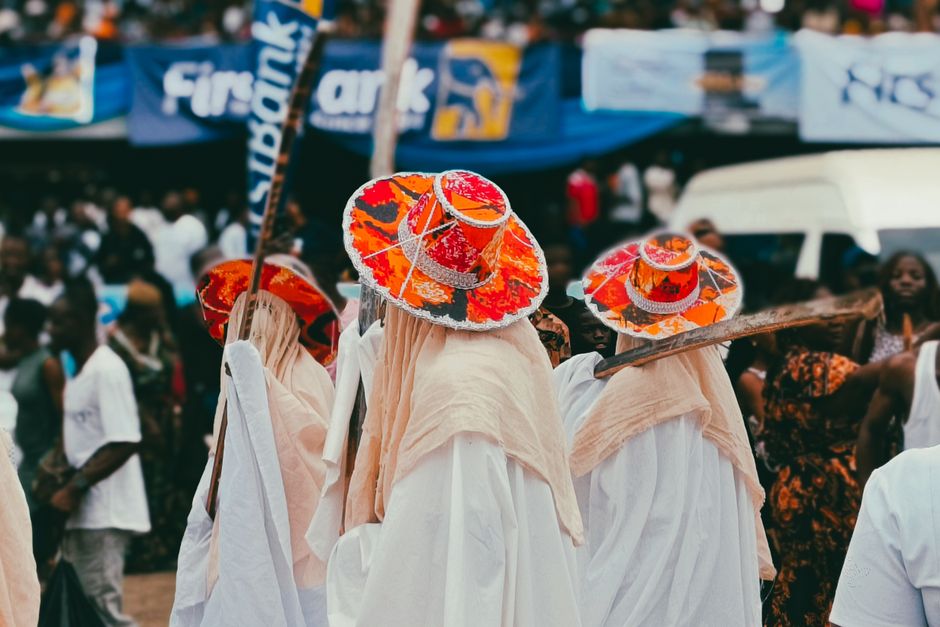
Nigeria is a country that dazzles with its diversity, home to over 250 ethnic groups, each with its own unique traditions and cultural practices. For anyone looking to explore African culture, Nigeria offers an incomparable experience, with its vibrant festivals, traditional music, and rich history. Join us on a journey through Nigeria's cultural landscape, where ancient traditions meet modern influences, creating a tapestry of colors, sounds, and experiences.
Whether you're attending a vibrant festival in Lagos, tasting local delicacies in a bustling market, or listening to the rhythmic beats of Yoruba drums, the soul of Nigeria is sure to captivate you. Let's delve into the heart of Nigerian culture and uncover the stories that shape this incredible West African nation.
Traditional Festivals of Nigeria
The Durbar Festival
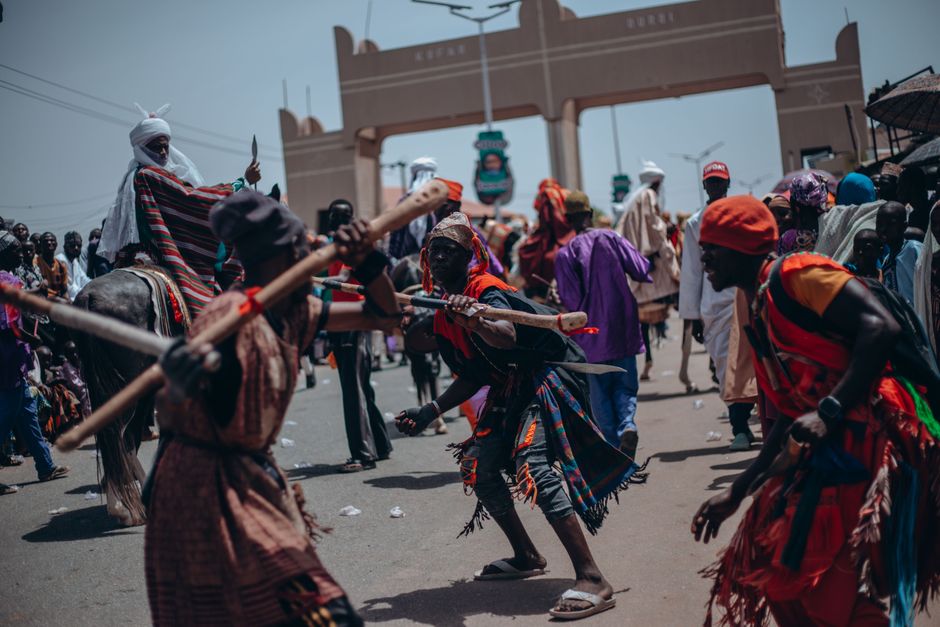
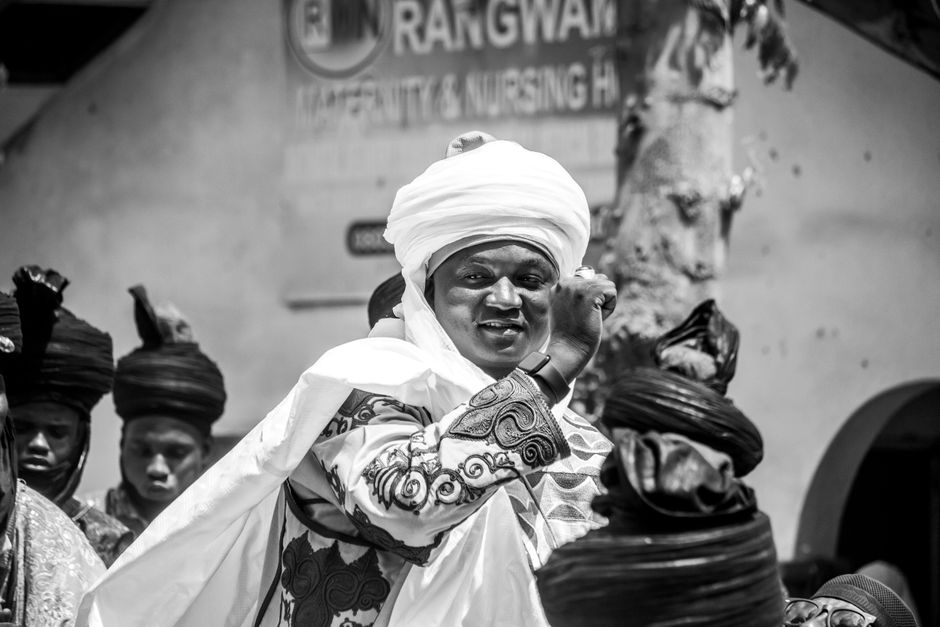
The Durbar Festival, celebrated in northern Nigeria, is a spectacular display of horsemanship and traditional attire. Originating from the pre-colonial era, this festival serves as a celebration of Islamic traditions and the local emir's power and prestige.
- The festival typically involves colorful parades, musical performances, and traditional dances.
- It is held annually in cities like Kano and Katsina, coinciding with the Muslim festivals of Eid al-Fitr and Eid al-Adha.
- Participants don rich, colorful robes and turbans, while horses are adorned with exquisite accessories.
Durbar is not just a festival; it's a vibrant expression of Northern Nigeria's rich cultural heritage.
The Osun-Osogbo Festival
Held in honor of the river goddess Osun, the Osun-Osogbo Festival is a major cultural and religious event in southwestern Nigeria. This UNESCO-recognized festival is celebrated in the sacred Osun-Osogbo Grove.
- The festival lasts for two weeks, attracting thousands of devotees and tourists from around the world.
- Participants engage in ritualistic dances, music, and offerings to the goddess.
- The highlight of the festival is the procession led by the Arugba, a virgin who carries the sacrificial materials on her head.
These festivals are not only a chance to witness Nigeria's cultural vibrancy but also to engage and participate in the living traditions of its people.
Cuisine: A Culinary Tour of Nigerian Delights
Popular Dishes
Nigerian cuisine is as diverse as its people, offering a range of flavors and textures that delight the palate. From spicy jollof rice to savory suya (spicy meat skewer), there's something for everyone to enjoy.
- Jollof Rice: A beloved West African dish made with tomatoes, onions, and a blend of spices.
- Egusi Soup: A hearty soup made with ground melon seeds, vegetables, and often served with pounded yam.
- Pepper Soup: A spicy, fragrant broth made with meat or fish, perfect for cold evenings.
Whether you're dining in a local restaurant or sampling street food, Nigerian cuisine promises a culinary adventure that you won't forget.
Music and Dance: The Rhythm of Nigeria
Afrobeat and Highlife
Nigeria is the birthplace of Afrobeat, a genre that combines traditional Nigerian music with jazz, funk, and highlife influences. Pioneered by the legendary Fela Kuti, Afrobeat has become a global phenomenon.
- Fela's music was known for its powerful lyrics and energetic rhythms, often addressing social and political issues.
- Highlife, another popular genre, originated in Ghana but was adopted and adapted by Nigerian musicians.
- Nigerian artists like Burna Boy and Wizkid continue to bring Afrobeat to the global stage.
Traditional Music and Dance
Traditional music in Nigeria is deeply rooted in the cultural practices of its ethnic groups. Drums, percussions, and chants form the backbone of many traditional performances.
- The Yoruba talking drum is notable for its unique ability to mimic the human voice.
- Igbo music often features complex rhythms and harmonies, used in celebrations and rituals.
- The Hausa-Fulani culture is rich in music, with instruments like the kakaki and algaita creating distinctive sounds.
Music and dance are integral to Nigerian life, providing a means of storytelling, celebration, and connection to the past.
Everyday Life: Customs and Traditions
Family and Community
In Nigeria, family and community are at the core of everyday life. Extended families often live together, with a strong emphasis on mutual support and respect for elders.
- Communal living is common, with responsibilities and decision-making shared among family members.
- Respect for elders is deeply ingrained, and children are taught to greet their elders with deference.
- Festivals and ceremonies are community affairs, often involving elaborate planning and participation.
Market Culture
Markets are the lifeblood of Nigerian commerce and social interaction. From bustling city markets to small village stalls, they offer a glimpse into everyday life.
Visiting a Nigerian market is an experience like no other, where vibrant colors, enticing aromas, and lively bartering fill the air.
Markets are more than just places to buy goods; they are hubs of social activity, where people gather to exchange news, jokes, and stories.
Final Thoughts
Nigerian culture is a rich tapestry woven from a multitude of influences and traditions. From its vibrant festivals and diverse cuisine to its dynamic music and deep-rooted customs, Nigeria offers travelers an unforgettable journey through its cultural landscape. Embracing Nigeria's culture means immersing oneself in its vibrant rhythm, understanding its history, and celebrating its diversity.
Whether you're exploring the markets of Lagos, dancing to the beats of Afrobeat, or participating in a traditional festival, Nigeria promises a cultural experience like no other. Dive in and let the warmth and vitality of Nigerian culture captivate your heart and soul.