Nigeria, the giant of Africa, is a melting pot of cultures, languages, and traditions. Among its rich tapestry of ethnic diversity, the Yoruba culture stands out as one of the most influential. Whether you're Nigerian or a visitor eager to learn, understanding the Yoruba culture offers insights into the heart of West Africa. From the pulsating rhythms of traditional music to the intricate artistry of their crafts, the Yoruba have carved a niche that resonates far beyond the borders of Nigeria.
As you delve into the Yoruba culture, you'll discover stories passed down through generations, food that tantalizes the taste buds, and festivals that light up the soul. This article aims to be your guide, helping you navigate the nuances of one of Nigeria's most vibrant cultures.
Join us as we unravel the beauty and depth of the Yoruba people, exploring their history, traditions, and the modern-day influences that continue to shape their identity.
The Historical Roots of Yoruba Culture
Yoruba culture is deeply rooted in history, with origins that trace back to the ancient kingdom of Ile-Ife. Often regarded as the cradle of Yoruba civilization, Ile-Ife holds a revered place in the hearts of the Yoruba people.
The Mythical Beginnings
The Yoruba have rich mythologies often centered around creation stories. According to Yoruba legend, Ile-Ife is the birthplace of humanity, where the god Oduduwa descended to create the earth.
"The Yoruba believe that their ancestors emerged from the land of Ile-Ife, which they consider the center of the world."
This deep mythological foundation has shaped the Yoruba's worldview, influencing their arts, religion, and social systems.
Influence of Ancient Kingdoms
The Yoruba people have been organized into powerful kingdoms for centuries, with the Oyo Empire being one of the most notable. At its height, the Oyo Empire wielded significant influence over a vast region, known for its military prowess and sophisticated political systems.
- The Oyo Empire: Known for its cavalry and structured political order.
- The Kingdom of Ife: Renowned for its art, especially the terra cotta and bronze sculptures.
- The Kingdom of Benin: Although not entirely Yoruba, it shared cultural exchanges with Yoruba people.
The interactions among these kingdoms fostered a rich cultural exchange, leaving a lasting legacy that continues to influence contemporary Yoruba society.
Traditional Yoruba Customs and Practices
Yoruba customs and traditions are integral to their identity, reflecting their values and way of life. From birth to death, significant life events are marked with ceremonies that emphasize community and spirituality.
Birth and Naming Ceremonies
The Yoruba naming ceremony, known as 'Ishomolowo,' is a significant event. It is held on the eighth day after a child's birth and involves prayers, songs, and the symbolic bestowal of names that reflect hopes and aspirations.
"A child's name is considered a powerful blessing, often chosen to reflect the family’s gratitude or expectations for the child's future."
Festivals and Celebrations
Festivals such as the Osun-Osogbo Festival are vital cultural expressions. This annual event, dedicated to the goddess Osun, attracts thousands of pilgrims and tourists, offering a vibrant display of Yoruba spirituality and communal harmony.
- Osun-Osogbo Festival: Celebrates the river goddess Osun, featuring art, dance, and music.
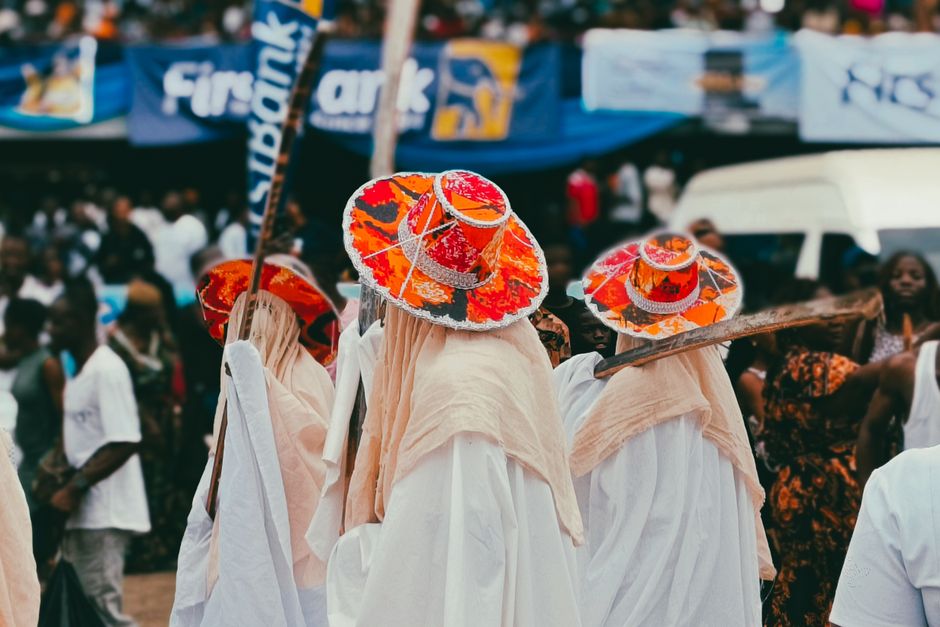
- Eyo Festival: A cultural procession in Lagos celebrating the spirits of the ancestors.
- Egungun Festival: Honoring the spirits of departed ancestors and celebrating their continued influence on the living community.
Marriage Traditions
Yoruba marriages are elaborate, involving multiple stages and ceremonies. The traditional engagement or 'introduction' ceremony is where families formally meet and discuss the union. It is vibrant, with symbolic rituals signifying unity and prosperity.
The Art and Music of the Yoruba
Art and music are pivotal to Yoruba culture, reflecting both historical influences and contemporary trends. Yoruba art ranges from traditional sculptures to modern-day fashion, while their music continues to influence global genres.
Traditional and Contemporary Art
Yoruba art is renowned for its craftsmanship, particularly in weaving, beadwork, and metalwork. The terra cotta and bronze sculptures of Ife and Benin, celebrated worldwide, exemplify the sophistication of Yoruba artistry.
"Yoruba artists have long been admired for their ability to blend traditional motifs with modern themes, creating works that are both timeless and innovative."
Musical Heritage
The Yoruba music scene is equally dynamic, with influences seen in modern Afrobeat, pioneered by icons like Fela Kuti. Traditional instruments such as the talking drum and the shekere are staples in Yoruba music, providing rhythmic backdrops to both traditional and contemporary songs.
- Afrobeat: A fusion of jazz, traditional Yoruba music, highlife, and funk.
- Talking Drum: Known for its ability to mimic the tones of human speech.
- Shekere: A percussion instrument made from dried gourd with beads woven into a net covering.
The Influence of Yoruba Culture Today
In modern Nigeria, Yoruba culture continues to evolve, shaping everything from fashion and film to politics and academia. The vast Yoruba diaspora maintains these cultural threads, ensuring their global relevance.
Fashion and Film
Nigerian fashion, heavily influenced by Yoruba styles, is celebrated worldwide. Yoruba traditional attire, such as the 'Aso Oke' and 'Agbada,' is often showcased in international fashion shows.
Similarly, Nollywood, Nigeria's film industry, frequently highlights Yoruba culture through films that reach audiences worldwide, promoting both traditional values and contemporary narratives.
Global Diaspora
The Yoruba have a significant presence across the globe, from the United States and the United Kingdom to Brazil and the Caribbean. This diaspora plays a crucial role in maintaining cultural ties and promoting Yoruba culture on the world stage.
"The Yoruba diaspora ensures that Yoruba culture thrives beyond Africa, fostering cultural exchanges and understanding across continents."
Conclusion
Exploring Yoruba culture is like stepping into a vibrant tapestry of history, art, and community. Its traditions offer valuable insights into the Yoruba way of life, while its modern influences demonstrate a culture that is both dynamic and enduring. Whether through music, art, or social customs, the Yoruba continue to make significant contributions to the cultural landscape of Nigeria and the world at large.
As we celebrate the richness of Yoruba culture, we are reminded of the power of heritage to shape identities and inspire future generations.