Ghana, a West African gem, offers a rich tapestry of culture and tradition that beckons travelers seeking an authentic African experience. With its vibrant music, tantalizing cuisines, colorful festivals, and historical landmarks, Ghana presents a unique opportunity to delve into the heart of African culture. Whether you're a first-time visitor or a seasoned traveler, Ghana promises unforgettable memories and enriching experiences.
For Nigerian readers, exploring Ghana is like visiting a friendly neighbor whose home is filled with stories, colors, and warmth. The link between our cultures is undeniable, and the similarities make for a comforting and enriching travel experience. So, pack your bags, and let's journey through the cultural wonders of Ghana!
In this article, we'll navigate through some of the most captivating cultural experiences Ghana has to offer. From the pulsating rhythms of traditional music to the mouthwatering flavors of local cuisine, prepare to be immersed in a world that celebrates life in all its forms.
The Rhythms of Ghana: Music and Dance
The Heritage of Highlife
Highlife music is a cornerstone of Ghanaian culture. Originating in the early 20th century, this genre combines traditional African rhythms with Western instruments, creating an infectious sound that's impossible not to dance to. Famous highlife musicians like E.T. Mensah and Osibisa have left an indelible mark on the music world, influencing countless artists across the globe.
"Highlife music is not just a genre; it's the heartbeat of Ghanaian social life, echoing through every street and village."
Traditional Drumming and Dance
In Ghana, music is closely intertwined with dance. Traditional drumming, such as the Kpanlogo and Adowa, is performed at various social events and ceremonies. These dances are not only a form of entertainment but also a way to communicate, celebrate, and pass down stories from generation to generation.
- Kpanlogo: Originating from the Ga ethnic group, Kpanlogo is a lively dance performed during festivals and special occasions.
- Adowa: This dance, practiced by the Akan people, is often accompanied by drums and involves graceful movements that convey specific messages.
Savoring Ghanaian Cuisine
Traditional Dishes to Try
Ghanaian cuisine is a delightful blend of flavors, spices, and textures that reflect the country's diverse cultures. From savory stews to sweet desserts, there's something to satisfy every palate.
- Jollof Rice: A staple dish enjoyed across West Africa, Jollof rice is a flavorful concoction of rice cooked in tomato sauce with spices and vegetables.
- Waakye: Made from rice and beans, this hearty dish is usually served with a variety of accompaniments, including fried plantain, boiled eggs, and fried chicken.
Street Food Delights
For a quick bite on the go, Ghana's street food scene offers an array of delicious options. Whether you're in Accra or Kumasi, be sure to try these popular street foods:
- Chinchinga: Spicy meat skewers that are grilled to perfection and served with a sprinkle of pepper.
- Kelewele: Fried plantain seasoned with ginger, garlic, and chili, making for a perfect snack.
Ghanaian Festivals: A Celebration of Culture
Popular Festivals
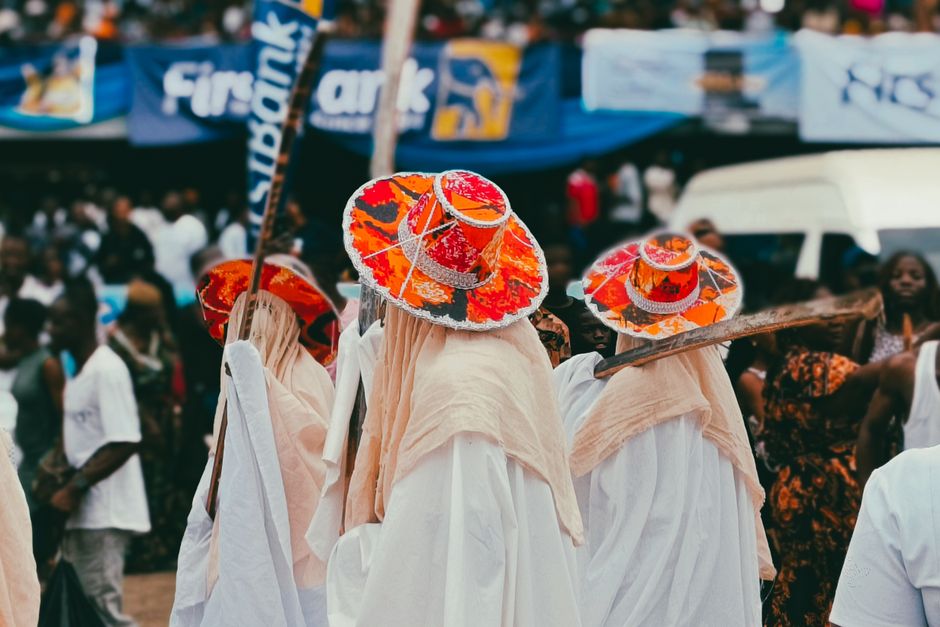
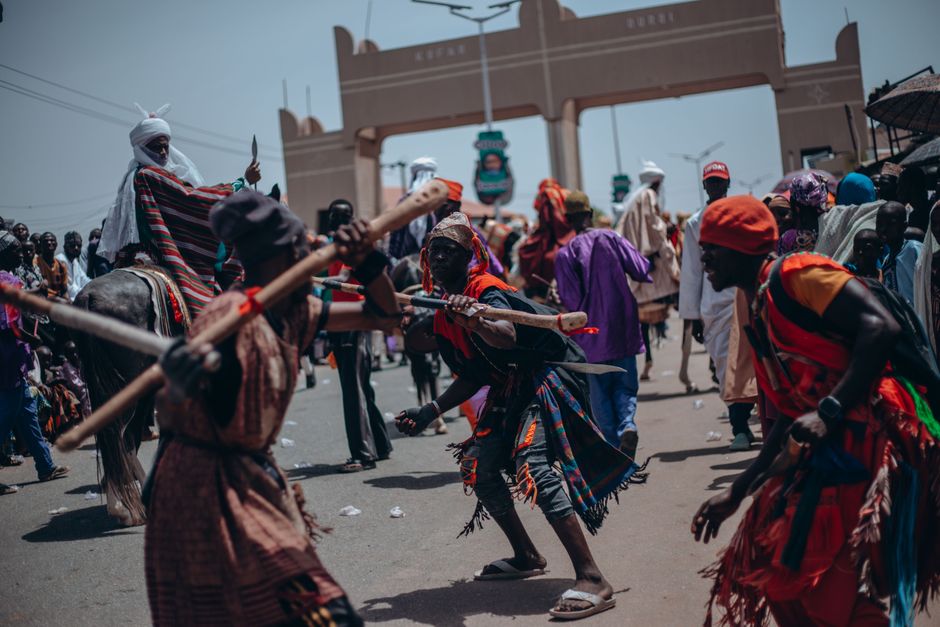
Festivals in Ghana are vibrant celebrations that showcase the country's rich cultural heritage. These festivals are a time for communal gatherings, music, dance, and traditional rituals.
- The Homowo Festival: Celebrated by the Ga people, this festival commemorates the period of famine that was followed by a bountiful harvest.
- Akwasidae Festival: Held every six weeks, this Ashanti festival honors the ancestors and is marked by colorful processions and drumming.
Participating in the Festivities
Attending a Ghanaian festival offers a unique opportunity to witness tradition and modernity come together in a spectacular display. Visitors are encouraged to join in the dancing, savor local foods, and learn about the customs that define each festival.
"To truly understand Ghana, one must experience its festivals, where history, culture, and community spirit are vividly brought to life."
The Rich Tapestry of Ghana's History
Visiting Historical Landmarks
Ghana's history is as rich and diverse as its culture. From ancient forts to modern museums, there's much to explore for history enthusiasts.
- Cape Coast Castle: Once a major hub for the transatlantic slave trade, this UNESCO World Heritage site offers guided tours that provide insight into a dark chapter of history.
- Kwame Nkrumah Mausoleum: Dedicated to Ghana's first president, this mausoleum is a testament to the country's journey towards independence.
Learning from the Past
Understanding Ghana's history is crucial for appreciating its culture. Visiting these sites not only offers a glimpse into the past but also inspires reflection on the resilience and strength of the Ghanaian people.
Final Thoughts
Ghana is a country that captivates and enchants with its rich cultural heritage. From the lively beats of highlife music to the vibrant colors of its festivals, every aspect of Ghanaian culture tells a story of a proud and resilient people. For Nigerian travelers, exploring Ghana is more than just a journey across borders; it's a reunion with a kindred spirit that shares similar traditions and values.
As you plan your trip to Ghana, prepare to be welcomed with open arms, indulge in mouthwatering dishes, and dance to rhythms that resonate with the soul. In Ghana, you'll find more than just a travel destination; you'll discover a vibrant, living culture that invites you to be a part of its ongoing story.