When you think of West Africa, a rich tapestry of cultures, histories, and traditions come to mind. Amongst these treasures, Ghana stands out as a beacon of vibrant culture and welcoming warmth. This beautiful country, known for its lush landscapes and bustling cities, offers an inviting embrace to travelers eager to explore its colorful streets, historic landmarks, and vibrant art scenes.
Ghana’s culture is a fascinating blend of traditional and modern influences, with a history that dates back centuries. For Nigerians, who already share a deep cultural heritage with their West African neighbor, a visit to Ghana provides a unique opportunity to experience familiar yet distinct traditions. In this article, we delve into the heart of Ghanaian culture, from its lively markets to its engaging festivals, offering you an insider’s guide to experiencing Ghana like a true local.
So, pack your bags and get ready to explore Ghana's rich cultural landscape. Whether you're a history buff, a foodie, or someone who enjoys a good market bargain, this journey through Ghana will leave you with unforgettable memories and a deeper appreciation for West African culture.
The Heartbeat of Ghana: Accra
Accra, the bustling capital city of Ghana, is often the first stop for many travelers. This vibrant city offers a perfect blend of history and modernity, making it a must-visit for any cultural enthusiast.
Experiencing Makola Market
No visit to Accra is complete without a trip to Makola Market. This lively market is a sensory overload of colors, sounds, and smells. It is here that you can truly experience the everyday life of Ghanaians.
- Shopping Tips: Bargaining is a common practice, so feel free to haggle for the best prices.
- What to Buy: Look for kente cloth, beads, and local spices that make perfect souvenirs.
“Makola Market is more than just a place to shop. It's a cultural experience that immerses you in the hustle and bustle of Ghanaian life.”
Historical Landmarks
Accra is rich in history, with landmarks that tell the story of Ghana's journey to independence.
- Kwame Nkrumah Mausoleum: Pay tribute to Ghana's first President, who led the country to independence in 1957.
- Independence Square: A symbol of freedom, this is one of the largest city squares in the world.
Ashanti Kingdom: A Historical Legacy
The Ashanti Region, with Kumasi as its capital, is the heart of Ghana’s rich historical legacy. Known for its wealth, power, and traditions, the Ashanti Kingdom holds a unique place in Ghana's history.
Visit the Manhyia Palace
The Manhyia Palace is a must-visit for anyone interested in the history of the Ashanti. The palace serves as the residence of the Asantehene, the Ashanti king.
“The Manhyia Palace is not just a building; it is the heartbeat of the Ashanti people, a place where history and tradition come alive.”
The Art of Kente Weaving
Kente cloth is perhaps the most celebrated of all African textiles, and its roots are deeply embedded in Ashanti tradition.
- Learn the Craft: Visit Bonwire, the weaving village, to see how Kente cloth is made and learn about its significance.
- Symbolism: Each Kente cloth pattern tells a story, often reflecting proverbs, historical events, or expressions of visual poetry.
Ghanaian Festivals: A Celebration of Life
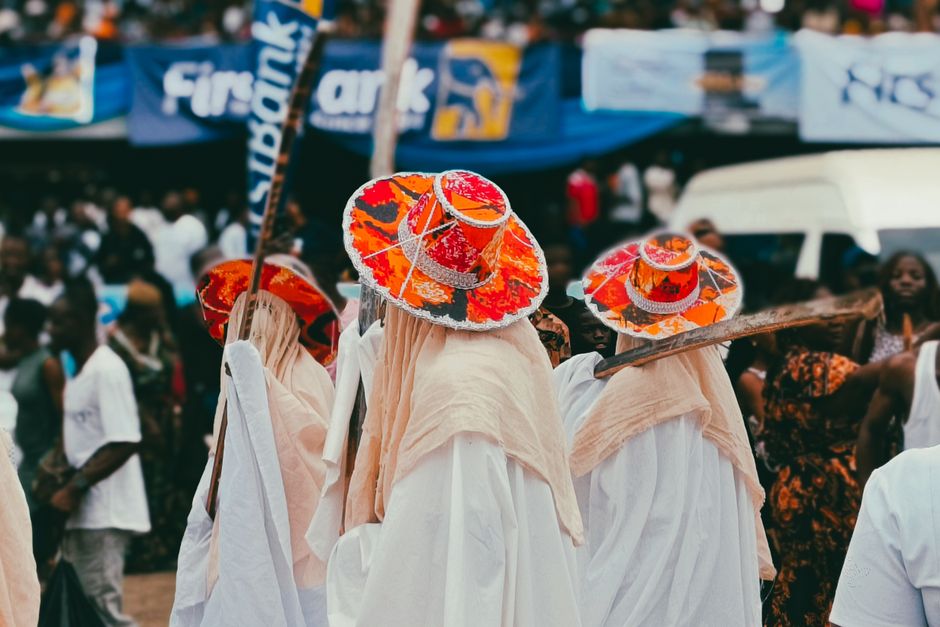
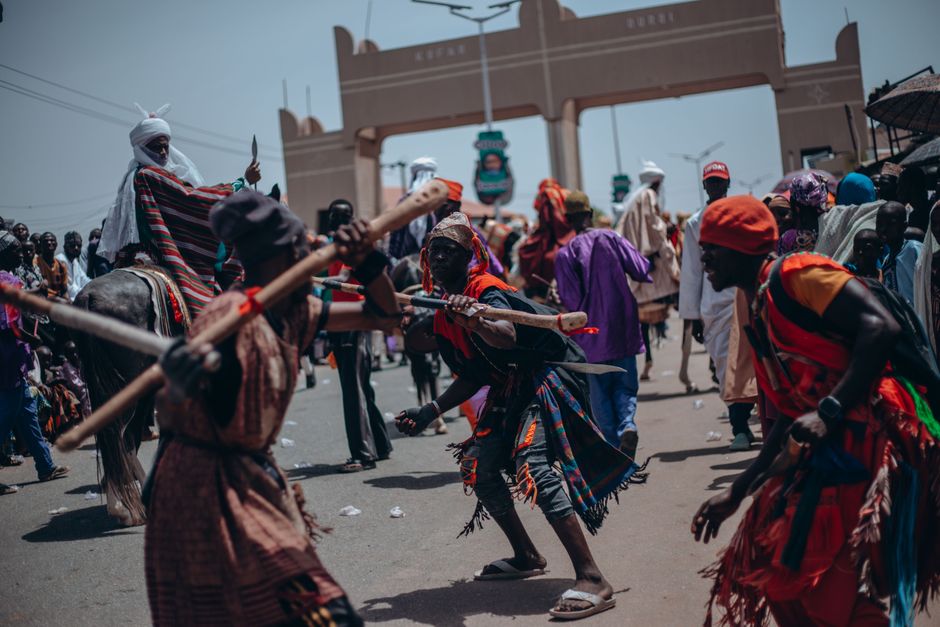
Ghana is home to a plethora of traditional festivals that offer a glimpse into the vibrant cultural life of its people. Each festival is a colorful celebration of music, dance, and traditional customs.
The Homowo Festival
The Ga people of Greater Accra celebrate the Homowo Festival, which means “hooting at hunger.” This festival commemorates a period of famine in the Ga community’s history.
- Participate in the Feast: Enjoy traditional Ga dishes like kpokpoi, a cornmeal dish, accompanied by palm nut soup.
- Witness the Dances: Traditional dances are performed to the rhythm of local drummers, a sight that captures the soul of Ghanaian culture.
Akwasidae Festival
Held every six weeks, the Akwasidae Festival is a time for the Ashanti people to pay homage to their ancestors and the Asantehene.
“Attending the Akwasidae Festival is a mesmerizing experience; it is a testament to the Ashanti's rich cultural heritage and the reverence they hold for their lineage.”
Ghanaian Cuisine: A Taste of Culture
No exploration of Ghana is complete without indulging in its rich and flavorful cuisine. Ghanaian food is known for its hearty ingredients and bold flavors, making each meal a celebration of culture in its own right.
Popular Dishes to Try
- Jollof Rice: A staple in West African cuisine, Ghanaian Jollof is a must-try for its spicy and aromatic flavors.
- Banku and Tilapia: A favorite dish among locals, Banku is a fermented corn and cassava dough served with grilled tilapia.
- Fufu and Light Soup: This traditional dish is a hearty meal often served with assorted meats.
Dining Like a Local
For a truly authentic experience, look for local “chop bars,” which offer a taste of Ghanaian home-cooked meals.
“Ghanaian cuisine is a symphony of flavors that reflects the country’s diverse cultural influences. Each dish is a story on its own.”
Conclusion
Ghana, with its rich culture and welcoming spirit, offers a diverse and enriching travel experience. From the bustling markets of Accra, the historical depth of the Ashanti Kingdom, to the vibrant festivals and delectable cuisine, Ghana invites you to explore, learn, and savor every moment. This journey through Ghana is more than just a cultural exploration; it is a celebration of life, tradition, and the indomitable spirit of the Ghanaian people. As you plan your trip, remember that every corner of this beautiful country holds a unique story, waiting to be discovered.