Nigeria, often referred to as the 'Giant of Africa', boasts a rich and diverse cultural heritage. This West African nation is a melting pot of cultures, with over 250 ethnic groups, each contributing unique traditions and customs. As a Nigerian reader, you're likely familiar with some of these vibrant celebrations, but there's always more to explore and appreciate. Whether you're planning to participate or just curious, Nigeria's festivals are a fascinating window into the soul of the country.
In this article, we'll take you on an immersive journey through Nigeria's cultural landscape. From the colorful masquerades of the Yoruba people to the thrilling horse riders of the Durbar festivals in the North, prepare to be captivated by a nation that celebrates its diversity with pride. We'll delve into the significance of these celebrations, the traditional attire that accompanies them, and explore how you can experience them first-hand.
The Importance of Cultural Festivals in Nigeria
A Celebration of Heritage
Nigerian festivals serve as a celebration of heritage, bringing communities together in joyful harmony. They are opportunities for storytelling, where the past meets the present through music, dance, and ritual.
"Festivals in Nigeria are more than just events; they are a vibrant expression of who we are as a people." — Cultural Expert, Dr. Ifeanyi Okechukwu
Promoting Unity and Peace
These festivals are also instrumental in promoting unity and peace within communities. They often bring together people from different backgrounds, fostering an environment of understanding and cooperation.
Key Festivals to Experience
Eyo Festival
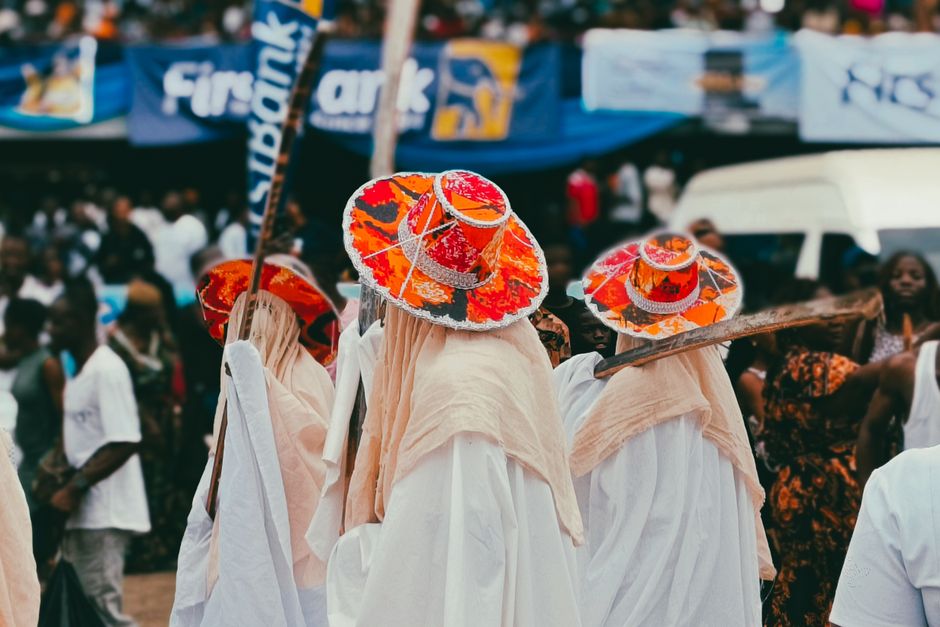
The Eyo Festival, also known as the Adamu Orisha Play, is a traditional Yoruba festival unique to Lagos. It is marked by a parade of participants called 'Eyo' adorned in white flowing robes and headgear.
- When: Typically held before the burial of a notable chief or on special occasions.
- Unique Feature: The Eyo procession is a spectacular sight as they glide through the streets.
Durbar Festival
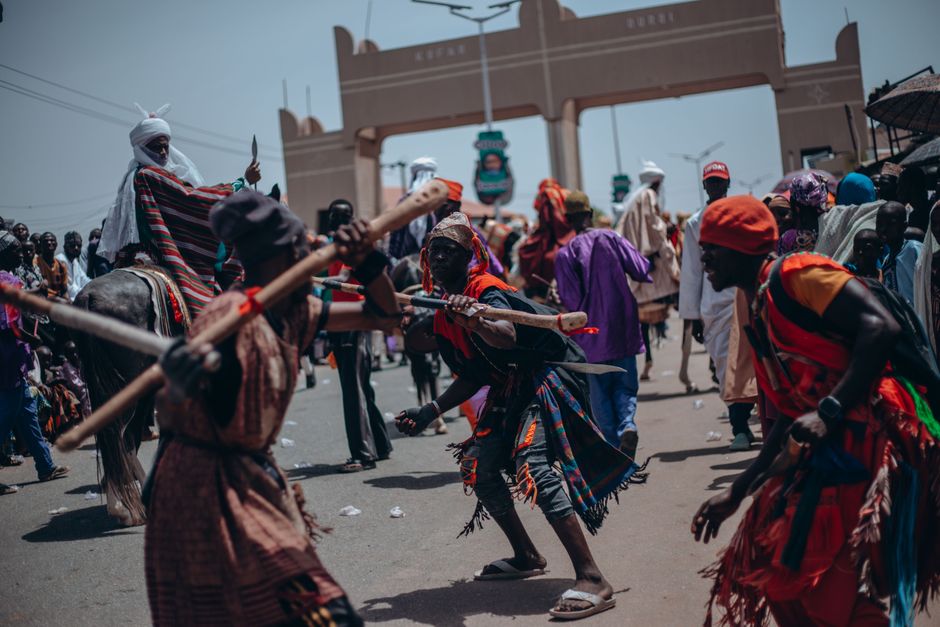
Held in various cities across Northern Nigeria, the Durbar Festival is a regal display of horse riding skills and cultural pageantry.
- When: Celebrated during the end of Ramadan and Eid al-Adha.
- Unique Feature: The festival showcases an impressive display of cavalry, with riders in traditional attire.
The Role of Traditional Attire
Symbolism in Clothing
Traditional attire plays a significant role in Nigerian festivals, often symbolizing cultural identity and status. The intricate designs and vibrant colors are not just for aesthetics but hold deeper meanings.
Popular Nigerian Attires
- Agbada: A flowing wide-sleeved robe worn by men, symbolizing affluence and style.
- Gele: A head-tie worn by women, often intricately styled for different occasions.
Experiencing Nigerian Festivals
Planning Your Visit
If you're planning to attend a Nigerian festival, it's important to plan ahead. Research the festival dates and traditions to fully immerse yourself in the experience.
Respecting Local Customs
Respect for local customs and traditions is paramount. Dress appropriately and be open to learning from the locals about the significance of various cultural practices.
Conclusion
Nigeria's festivals are a testament to the country's rich cultural diversity and enduring traditions. They offer an unparalleled opportunity to witness the vibrancy of African culture in its most authentic form. Whether you're a local or a visitor, participating in these festivals provides a deeper understanding and appreciation of Nigerian heritage.
So, when planning your next cultural adventure, consider stepping into the heart of Nigeria's celebratory spirit. You're guaranteed an unforgettable experience that resonates with warmth, color, and a profound sense of community.