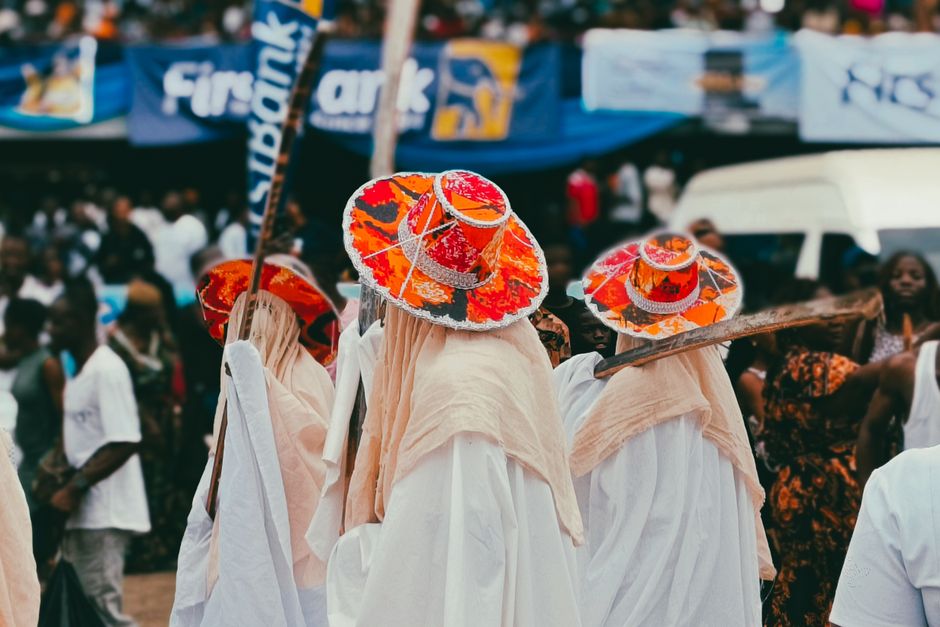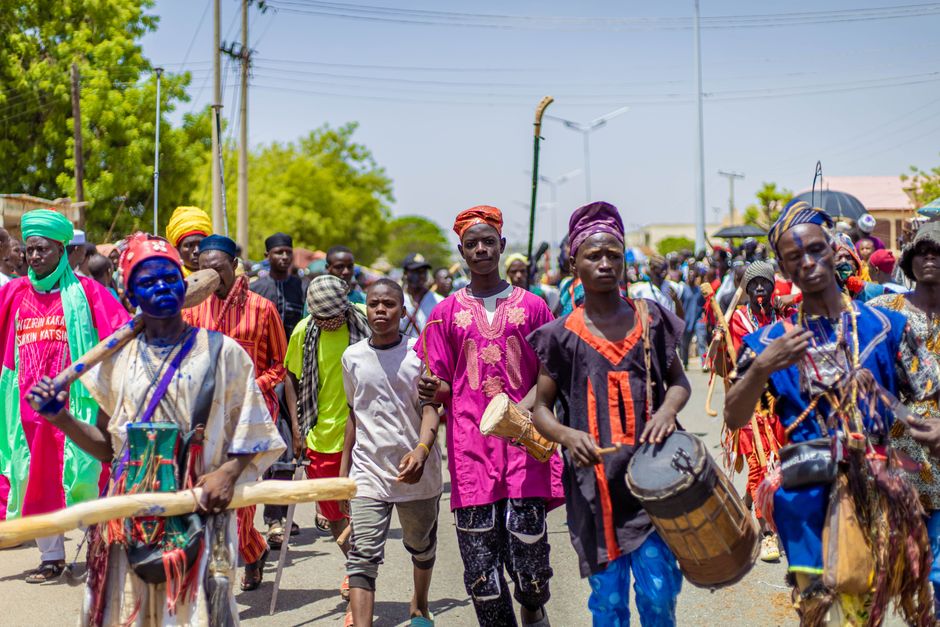
Africa's cultural landscape is as diverse and vibrant as its geography. From the bustling markets of Lagos to the serene plains of the Serengeti, cultural festivals bring together communities, visitors, and enthusiasts from all corners of the globe. For those with a keen interest in cultural immersion, African festivals offer a unique window into the continent's soul, marking time-honored traditions with color, dance, music, and folklore.
Nigerians, in particular, may find these festivals both familiar and refreshingly different, as they resonate with the rich cultural heritage that many Nigerians hold dear. This article delves into some of the most spectacular festivals across Africa, providing insights into their historical significance, traditional activities, and how they unify people in celebration.
The Cultural Significance of African Festivals
African festivals are not just celebrations; they are a vital part of the cultural fabric that preserves and promotes the continent's diverse heritage. These festivals are deeply rooted in history and hold great social significance.
Preserving Heritage
Many African festivals have been celebrated for centuries, passed down through generations. They serve as a living archive of the continent's rich past, ensuring that traditions, languages, and customs are not lost to time.
"Festivals in Africa are a testament to the continent's resilience and cultural dynamism, offering a bridge between past and present."
Community Cohesion
Festivals are a time for communities to come together, transcending social, economic, and even national boundaries. They foster a sense of belonging and unity, with people from all walks of life participating in the festivities.
- Strengthening communal bonds
- Encouraging cultural exchange
- Supporting local economies
Must-Experience African Cultural Festivals
Some festivals are renowned for their grandeur and widespread participation, drawing in crowds from across the world. Here are a few that stand out for their cultural significance and unique charm.
Durbar Festival - Nigeria
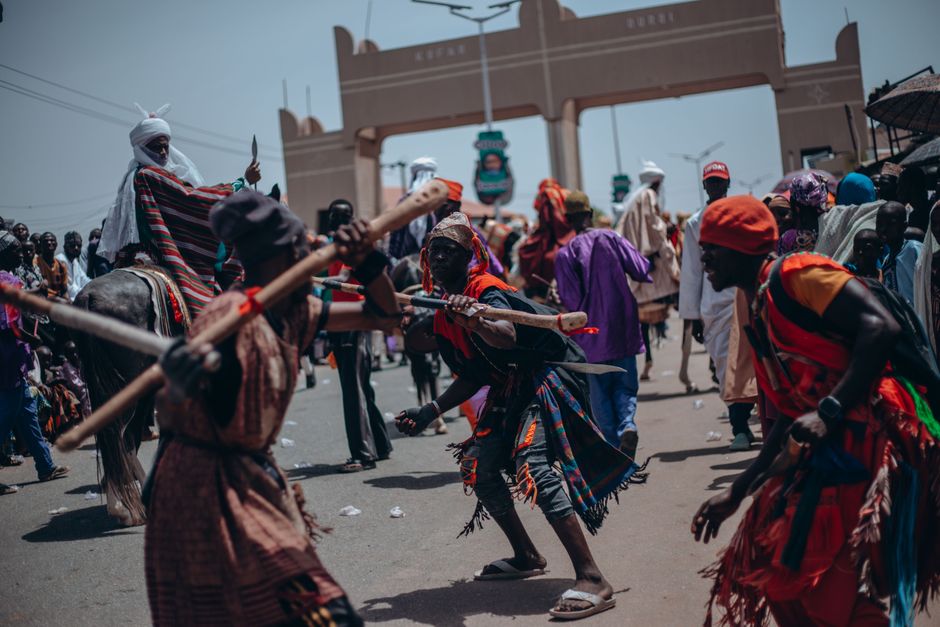
The Durbar festival is a vibrant spectacle of horsemanship and pageantry, held annually in several Nigerian states, including Kano, Katsina, and Zaria. Originally a military parade, it has evolved into a ceremonial procession to mark the end of Ramadan and to honor the Emir.
- Amazing displays of traditional attire
- Impressive horse parades
- Music and dance performances
Fescauri - Senegal
Fescauri, or the Festival of the Sahel, is a celebration of nomadic culture in Senegal. The festival highlights the traditions of the Fulani and Tuareg people, featuring camel races, music, and traditional crafts.
"Fescauri is a journey through the Sahel's majestic landscapes, offering a glimpse into the lives and traditions of its nomadic tribes."
Planning Your Visit to African Festivals
Traveling to these festivals can be a truly enlightening experience. However, it requires meticulous planning to make the most of your visit.
Timing and Itinerary
Most festivals align with the lunar or agricultural calendar, so dates may vary each year. Be sure to confirm the exact dates well in advance.
- Research festival dates
- Book accommodations early
- Plan your itinerary to include local sites
Respecting Local Customs
Understanding and respecting the cultural norms of the host community enhances your experience. Dress modestly, ask for permission before taking photographs, and participate respectfully in activities.
Conclusion
Engaging with African cultural festivals is more than just partaking in a celebration; it's an opportunity to connect with the heartbeat of the continent. Whether you're witnessing the majestic horse parades of the Durbar Festival or the rhythmic dances of Fescauri, each festival offers a unique story and a chance to be a part of Africa's living heritage.
It's time to pack your bags and embark on a cultural odyssey that promises not just memories, but a deeper understanding of the rich tapestry that is African culture. Remember, as you join these celebrations, you're not just a spectator; you're part of a grand, colorful narrative that has been unfolding for generations.