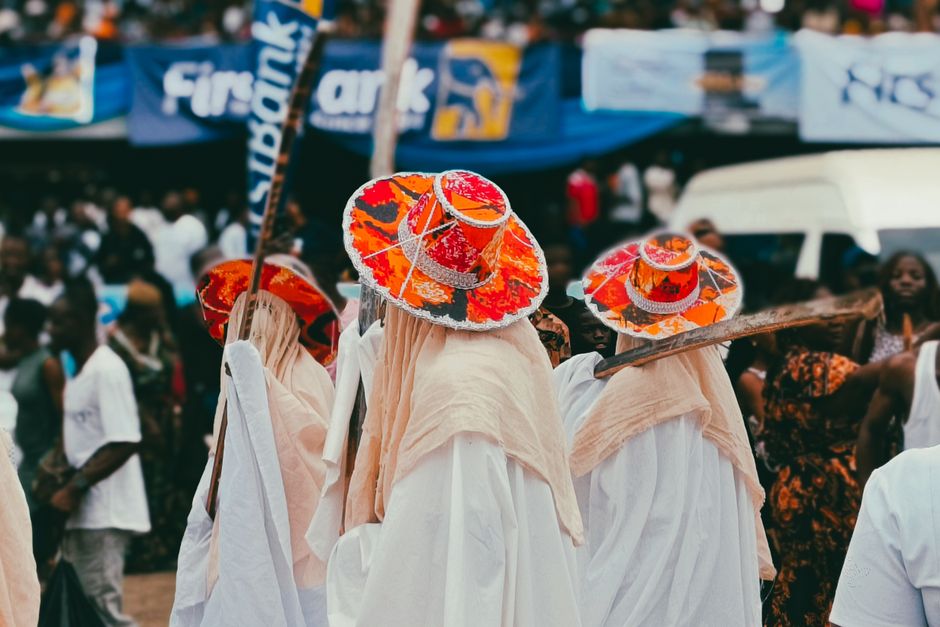
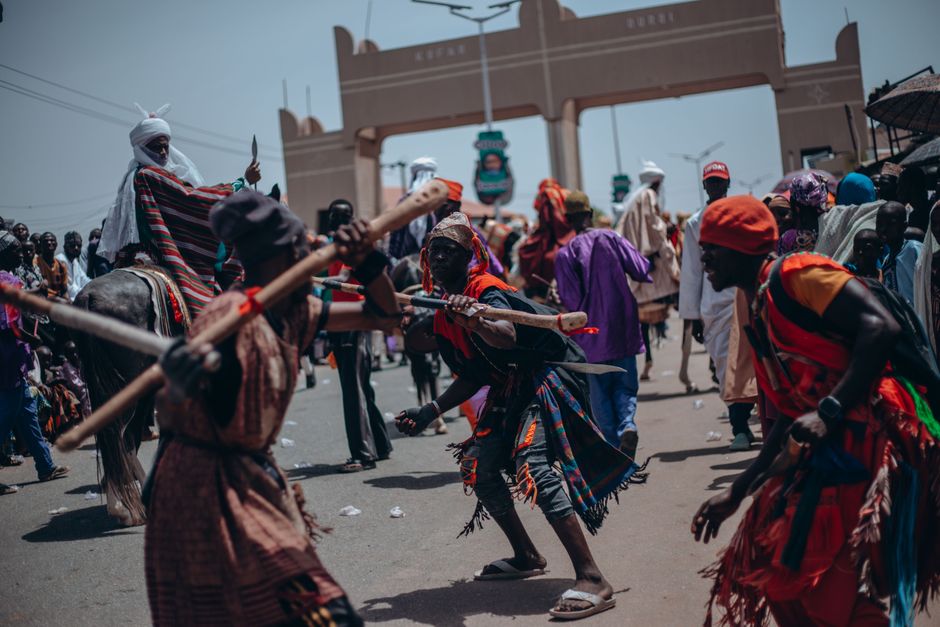
East Africa is a vibrant tapestry of cultures, languages, and traditions. For Nigerian readers seeking to explore beyond familiar West African borders, East Africa offers an intriguing mix of the ancient and the modern, all intertwined in a cultural mosaic that's both fascinating and enriching. Whether you're intrigued by the rhythm of the drum in Kenya, the ancient rituals in Ethiopia, or the colorful marketplaces in Tanzania, East African culture promises an unforgettable journey of discovery.
Let us be your guide through this captivating region, as we delve into its diverse cultural landscapes, uncovering long-held traditions, artistic expressions, and culinary delights that define East Africa. You’ll find that despite its differences, there are striking similarities that speak to the shared African experience, reminding us that even with vast distances, our roots are deeply interconnected.
Exploring East African culture is akin to leafing through a richly illustrated book, where every page tells a unique story. From the legendary Maasai warriors to the Swahili poets, each culture within this region has its own narrative and heritage. Whether you’re planning a visit or simply want to enrich your knowledge, understanding East African culture offers invaluable insights into the soul of the continent.
The Diverse Languages of East Africa
Swahili: The Lingua Franca
Swahili is perhaps the most widely spoken language in East Africa, serving as a bridge connecting various ethnic groups. Originating from the Bantu languages, Swahili has been enriched by Arabic, Persian, and Indian influences due to historical trade interactions along the East African coast.
"Swahili is more than a language; it's a cultural identity shared among millions across East Africa."
Other Prominent Languages
While Swahili dominates, East Africa is home to a multitude of languages. In Ethiopia, Amharic serves as the official language, while Uganda boasts over 40 languages including Luganda and Acholi.
- Amharic: Predominantly spoken in Ethiopia, it’s a Semitic language with its unique script, Ge’ez.
- Luganda: Widely spoken in Uganda, it’s central to the Buganda culture.
- Somali: The official language of Somalia, integral to its national identity.
Art and Music: The Heartbeat of East Africa
The Visual Arts
East African art is as diverse as its people, showcasing a rich history of storytelling through visual mediums. The Tingatinga paintings of Tanzania are renowned for their vibrant colors and bold designs that depict everyday life and wildlife.
Musical Traditions
Music in East Africa is a dynamic blend of traditional and contemporary influences. The rhythmic beats of Kenyan Benga music, which fuses Luo dance rhythms with jazz, is a perfect example of this cultural blend.
- Benga: Originating from Kenya, known for its lively guitar riffs.
- Gospel and Hip-hop: Modern music genres that have found a unique expression in East African cultures.
Culinary Delights of East Africa
Staple Foods
East African cuisine is a flavorful fusion of local ingredients and foreign influences. Ugali, a dense maize porridge, is a staple across Kenya and Tanzania, often accompanied by stews and vegetables.
Unique Dishes
Ethiopian cuisine stands out with its use of injera, a sourdough flatbread, and a variety of spicy stews known as wat. The communal eating style fosters a sense of community, a hallmark of African dining traditions.
"Food is not just nourishment; it’s a celebration of culture and tradition."
Traditional and Modern Fashion
Traditional Attire
East African attire is a beautiful blend of traditional textiles and modern fashion. The Maasai shuka, a vibrant red garment, is iconic and symbolizes the warrior spirit.
Modern Fashion Influences
While traditional clothing remains significant, East Africa has seen a surge in modern fashion influences, with designers incorporating traditional patterns into contemporary designs.
Festivals and Cultural Celebrations
Major Festivals
Festivals in East Africa are colorful events that celebrate both religious and cultural milestones. The Zanzibar International Film Festival, for example, is a major cultural event that attracts filmmakers and artists from around the globe.
Cultural Significance
These festivals are not just celebrations; they serve as important platforms for cultural exchange and preservation. They offer a unique opportunity to witness the diversity of East African traditions firsthand.
Conclusion
Exploring East African culture unveils a world where tradition and modernity coexist, creating a rich and vibrant cultural tapestry. Whether it’s the languages that speak of historical ties, or the music and art that echo the region’s dynamic spirit, East Africa offers a profound cultural experience that resonates with all Africans, including Nigerians.
By understanding and appreciating the cultural nuances of East Africa, we not only enrich our knowledge but also strengthen the bonds that unite us across the continent. As you plan your next adventure, let East Africa’s cultural heritage be a chapter in your journey, promising unforgettable memories and deep connections.