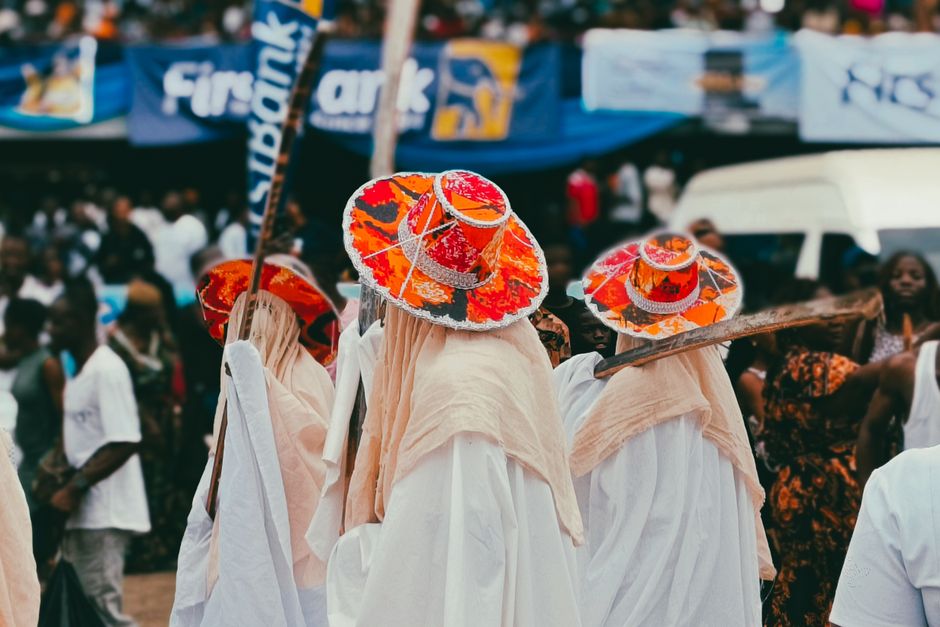
Nigeria, the giant of Africa, is known for its bustling cities, vibrant markets, and diverse cultures. With over 250 ethnic groups, it offers a rich tapestry of traditions and customs that captivate both locals and visitors alike. Whether you're exploring the energetic rhythms of Afrobeat or savoring the taste of Jollof rice, Nigerian culture offers a unique experience unlike any other. Let's delve into the heart of Nigerian culture and discover the elements that make it so captivating.
From the lively streets of Lagos to the serene landscapes of Enugu, Nigeria's cultural diversity is evident in its music, dance, language, and festivals. Understanding the nuances of Nigerian culture not only enhances your travel experience but also provides a deeper appreciation of its historical roots and contemporary expressions. In this article, we explore the essential aspects of Nigerian culture that every traveler should experience.
The Rhythms of Nigerian Music
The Influence of Afrobeat
Afrobeat, a genre that blends traditional African music with jazz, funk, and highlife, has become synonymous with Nigerian culture. Pioneered by the legendary Fela Kuti, Afrobeat not only entertains but also serves as a powerful tool for social change and political commentary.
Today, modern Nigerian artists like Burna Boy and Wizkid continue to elevate Afrobeat on the global stage, drawing international audiences to its infectious rhythms and engaging lyrics.
Traditional Music and Instruments
Nigeria's traditional music scene is equally vibrant, with each ethnic group having its unique sound. The talking drum, a prominent instrument among the Yoruba people, is known for its ability to mimic the tone and prosody of human speech, making it a fascinating cultural artifact.
Whether you're attending a live performance or listening to a street musician, the traditional sounds of Nigeria offer an auditory glimpse into the nation's soul.
"Music is the food of the soul, and in Nigeria, it's a feast."
Festivals and Celebrations
The Durbar Festival
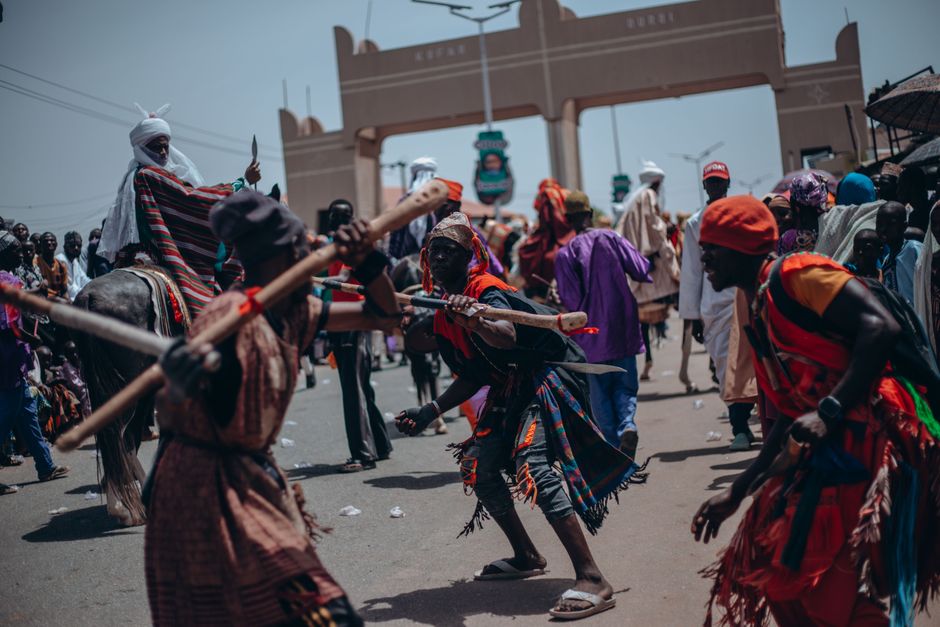
One of the most spectacular festivals in Nigeria is the Durbar Festival, celebrated in Northern Nigeria. This vibrant event features a grand parade of horsemen, traditional dancers, and musicians, showcasing the rich history and culture of the Hausa-Fulani people.
Attending the Durbar Festival offers visitors an unforgettable experience as it combines pageantry, tradition, and community spirit.
The Osun-Osogbo Festival
Held in the sacred groves of Osogbo, this festival honors the goddess Osun, a deity associated with fertility and river water. The celebrations attract thousands of worshippers and tourists who partake in rituals, dances, and offerings to the goddess.
The Osun-Osogbo Festival is not only a religious event but also a cultural celebration that highlights the spiritual richness of Nigeria.
Culinary Delights
The Ubiquity of Jollof Rice
No discussion of Nigerian culture is complete without mentioning Jollof rice, a beloved dish across West Africa. While there are regional variations, the Nigerian version is renowned for its spicy, smoky flavor, making it a staple at parties and gatherings.
Trying authentic Nigerian Jollof rice is a must for anyone visiting the country, providing a delicious introduction to its culinary landscape.
Street Food Adventures
Nigerian street food offers a culinary journey through the nation's diverse flavors. From suya, a spicy meat skewer, to akara, deep-fried bean cakes, these snacks provide a quick and tasty insight into local eating habits.
Exploring street food markets in cities like Lagos or Abuja is not only a treat for the taste buds but also an opportunity to engage with local culture in a meaningful way.
Language and Communication
The Role of Pidgin English
Pidgin English serves as a lingua franca across Nigeria, breaking down language barriers in this multilingual nation. It's a creative blend of English and local languages, reflecting the adaptability and ingenuity of Nigerian communication.
Whether bargaining in a market or chatting with locals, a few phrases of Pidgin can enhance your interactions and make you feel more connected to the community.
Preservation of Indigenous Languages
Despite the widespread use of English, there is a growing movement to preserve Nigeria's indigenous languages. Efforts are underway to ensure that languages like Yoruba, Igbo, and Hausa are taught in schools and used in media.
Understanding and appreciating these languages provides a deeper insight into Nigeria's cultural fabric and underscores the importance of linguistic diversity.
"Language is the roadmap of a culture. It tells you where its people come from and where they are going."
Art and Craftsmanship
Nok Sculpture and Art
The Nok culture, one of Nigeria's oldest civilizations, is renowned for its terracotta sculptures. These intricate pieces offer a glimpse into the artistic expression and societal norms of ancient Nigeria.
Visiting museums or art galleries showcasing Nok sculptures provides a fascinating window into the country's rich artistic heritage.
Contemporary Nigerian Art
Modern Nigerian artists are gaining recognition for their innovative work that reflects contemporary issues and trends. Artists like Njideka Akunyili Crosby and Kehinde Wiley have made a mark on the global art scene, using their work to explore themes of identity and culture.
Engaging with contemporary Nigerian art offers a dynamic perspective on how traditional and modern influences converge in the country's creative landscape.
Final Thoughts
Nigeria's cultural richness offers something for every traveler, from its vibrant music and festivals to its delicious cuisine and expressive art. Engaging with Nigerian culture provides a deeper understanding of the nation's history, traditions, and contemporary life. As you immerse yourself in this vibrant culture, you'll find that Nigeria is a land of diversity, resilience, and creativity, offering an endless array of experiences waiting to be explored.
So, pack your bags, open your heart, and let Nigeria's rich cultural tapestry embrace you in ways you never imagined possible.