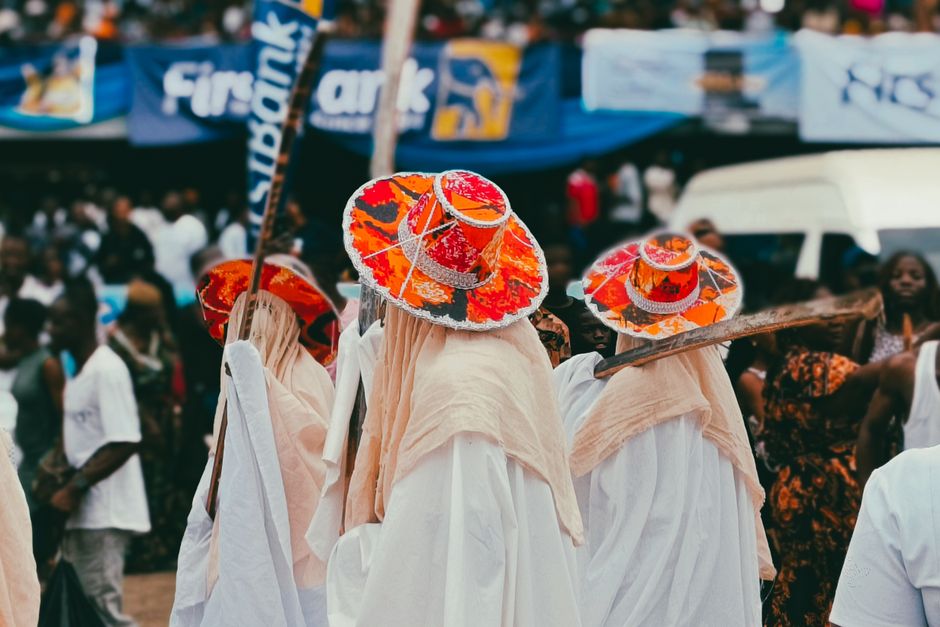
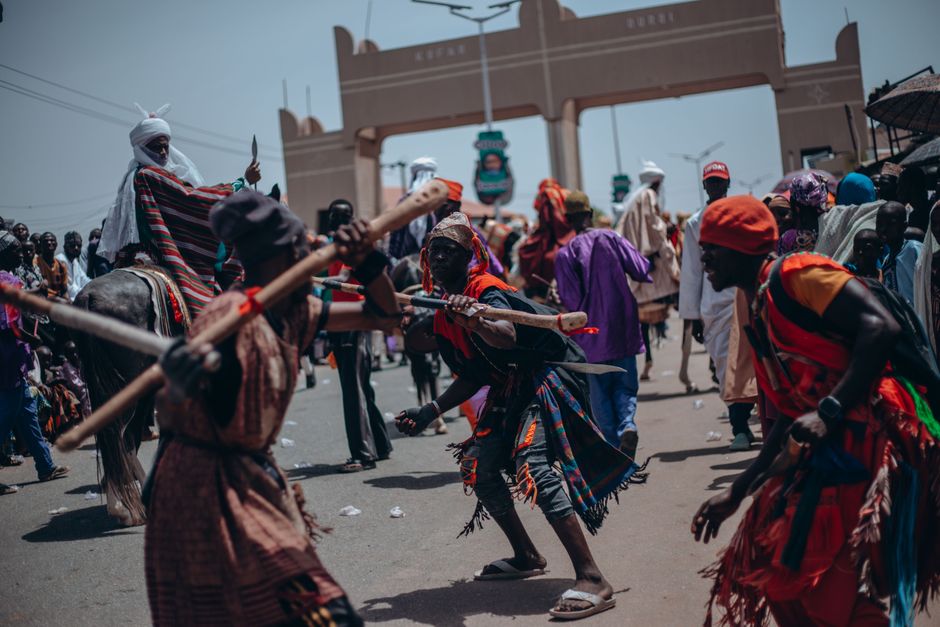
Nigeria, a country blessed with stunning landscapes and vibrant cities, offers not only a feast for the eyes but also a cultural immersion like no other. As a Nigerian or someone intending to visit, understanding the cultural richness of Nigeria is like unlocking a treasure chest of history, music, food, and traditions. From the pulsating rhythms of Afrobeat to the colorful attire of the Yoruba people, Nigeria's cultural diversity is both vast and deeply rooted. Let's embark on a journey that unveils the compelling tapestry of Nigerian culture.
The essence of Nigerian culture can be felt in its everyday life, where traditions are not merely customs but a way of life. Whether you're strolling through the bustling markets or enjoying a bowl of jollof rice with friends, the Nigerian spirit of community and celebration is ever-present. This article aims to provide a comprehensive guide for anyone keen on exploring the intricacies of Nigerian culture, offering insights and practical tips that are as engaging as they are informative.
Join us as we delve into the depths of Nigeria's cultural wealth, from its historical landmarks to the modern influences shaping its future. This journey of cultural discovery will illuminate the heart and soul of Nigeria, inviting you to experience its unique offerings both as a proud Nigerian and as a curious traveler.
The Historical Roots of Nigerian Culture
Pre-Colonial Heritage
Nigeria's cultural history is deeply entwined with its ancient civilizations, such as the Nok Culture, which dates back to as early as 1000 BC. The Nok people are credited with one of the earliest uses of iron smelting and created terracotta sculptures that are admired worldwide.
The Benin Kingdom also played a significant role, with its art and architecture leaving a lasting legacy. The intricate bronze sculptures of Benin City are a testament to the sophistication and ingenuity of Nigerian artisans dating back to the 13th century.
Colonial Impact
The arrival of European colonizers in the late 19th century brought significant changes to Nigerian society. While this era introduced Western education and Christianity, it also disrupted traditional societies. Nonetheless, Nigeria remained resilient, blending colonial influences with indigenous customs to create a hybrid culture.
This period also saw the rise of resistance movements and nationalist leaders who championed the cause of independence, leading to Nigeria gaining its independence in 1960.
Nigerian Music and Dance
The Rise of Afrobeat
Nigerian music is globally celebrated for its vibrant and rhythmic appeal. At the forefront of this musical revolution was Fela Kuti, the pioneer of Afrobeat. Afrobeat is a unique blend of traditional Yoruba music, jazz, and funk, characterized by energetic beats and politically charged lyrics.
"Music is the weapon" – Fela Kuti
Today, Nigerian artists like Burna Boy and Wizkid continue to take Afrobeat to international stages, keeping the spirit of Fela alive while infusing modern elements.
Traditional Music and Dance
Beyond Afrobeat, Nigeria boasts a rich tapestry of traditional music and dance forms unique to each ethnic group. The Igbo's Atilogwu dance is known for its acrobatic movements, while the Yoruba's Bata dance is a spiritual expression often performed in religious ceremonies.
- Igbo Highlife: A fusion of jazz and traditional Igbo music.
- Fuji Music: Originating from the Yoruba, it blends traditional Islamic music with modern beats.
- Sharo Dance: A Fulani tradition that involves rhythmic dances during initiation ceremonies.
The Gastronomic Delights of Nigeria
Staple Dishes
Nigerian cuisine is as diverse as its culture, with each region offering distinct flavors. Jollof rice, a West African favorite, is a must-try dish that has even sparked the age-old "jollof wars" between Nigeria and Ghana.
Suya, a spicy meat skewer, is another beloved street food, often enjoyed with a cold drink. It reflects the bold and spicy culinary preferences prevalent in Nigerian cuisine.
Regional Specialties
Each region in Nigeria boasts its culinary specialties. The South is known for its seafood dishes like pepper soup and banga soup, while the North favors dishes like tuwo shinkafa, a rice-based dish served with spicy sauces.
Don't miss tasting egusi soup from the West, a thick, hearty stew made from ground melon seeds, often paired with pounded yam.
Nigerian Festivals and Traditions
Celebrations Across the Nation
Nigerians love to celebrate, and festivals are a vital part of the cultural fabric. The Argungu Fishing Festival, held in Kebbi State, is a vibrant event that showcases traditional fishing and cultural displays.
The Osun-Osogbo Festival, a UNESCO cultural heritage event, celebrates the Yoruba goddess of fertility, attracting thousands of devotees each year.
Cultural Practices
Nigerian culture places a strong emphasis on rites of passage and community. Weddings, for instance, are grand affairs celebrated with music, dance, and feasting. Traditional attire such as the Yoruba agbada or the Igbo isiagu adds a touch of elegance to these events.
Funerals, too, are significant, often seen as a celebration of life. The Ekpe masquerade in southeastern Nigeria is a colorful display that pays homage to the deceased.
Modern Influences on Nigerian Culture
Media and Entertainment
Nigerian culture has been significantly influenced by the rise of Nollywood, the second-largest film industry in the world. Nollywood movies are not only popular across Africa but also among the Nigerian diaspora worldwide.
These films often depict everyday life, reflecting the joys and challenges of Nigerian society, making them relatable to audiences from all walks of life.
Fashion and Technology
Nigerian fashion has taken the world by storm, with designers like Deola Sagoe and Lisa Folawiyo gaining international acclaim. The fusion of traditional and contemporary styles continues to influence global fashion trends.
Technology has also played a role in shaping modern Nigerian culture. Social media platforms serve as a space for cultural expression and dialogue, connecting Nigerians across the globe.
Conclusion
Through its rich history, vibrant music, diverse cuisine, and lively festivals, Nigeria offers a cultural experience that resonates with both locals and visitors. As you explore the myriad facets of Nigerian culture, you'll find yourself immersed in a world where tradition and modernity coexist harmoniously. Whether you're embracing the beats of Afrobeat, savoring a plate of jollof rice, or witnessing the grandeur of a Nigerian wedding, each moment is a testament to the enduring spirit of Nigerian culture.
We hope this exploration inspires you to not only appreciate the depth and diversity of Nigeria's cultural landscape but also to participate in its ongoing narrative.