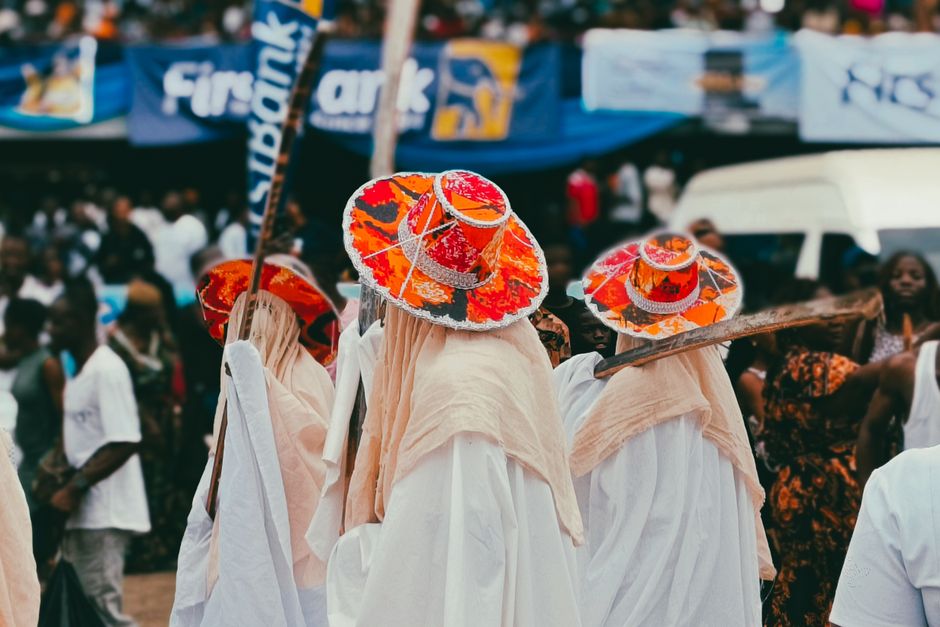
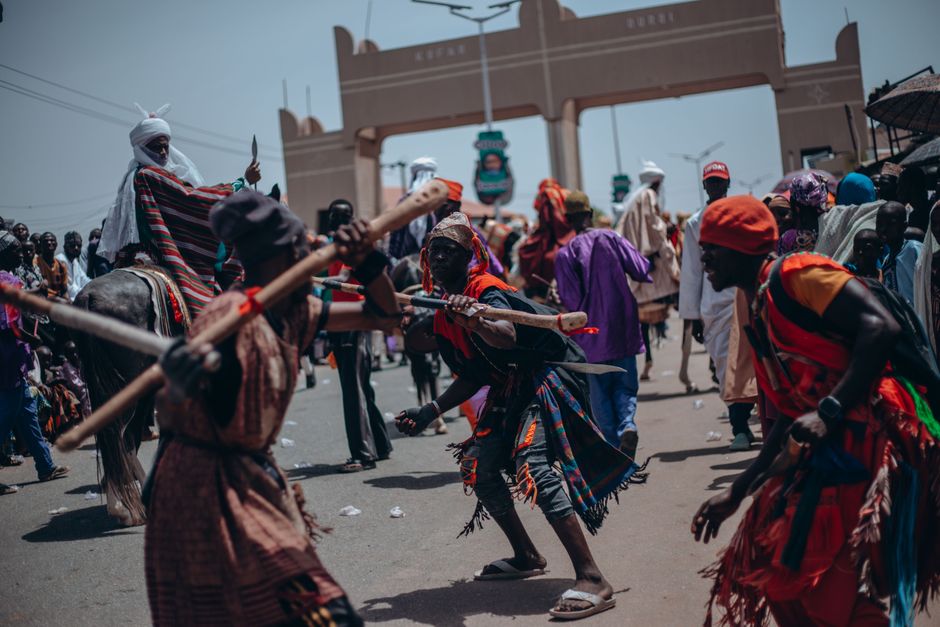
East Africa is a region that bursts with color, vibrancy, and an unforgettable cultural heritage. For Nigerian travelers seeking an adventure that blends exploration with deep cultural immersion, East Africa offers an unparalleled experience. With its diverse tribes, languages, and traditions, it’s a cultural mosaic waiting to be explored.
From the rhythmic beats of traditional music to the intricate art forms and vibrant festivals, East Africa is a cultural treasure trove. Whether you're wandering through bustling markets or participating in community celebrations, there's always something new to discover. For those traveling from Nigeria, these experiences resonate deeply, often reminding us of our own rich cultural tapestries.
In this comprehensive guide, we'll delve into the cultural wonders of East Africa, focusing on the distinct traditions of Kenya, Uganda, Tanzania, and Rwanda. Whether you're planning your next holiday or just dreaming of future adventures, this guide will give you a taste of what to expect and how to make the most of your cultural journey.
Kenya: A Cultural Melting Pot
The Maasai Tribe
The Maasai are one of the most recognized tribes in East Africa, known for their distinctive dress and unique traditions. Their culture is rich with song, dance, and vibrant colors. Visiting a Maasai village offers a glimpse into their way of life, where community plays a central role.
Nairobi's Vibrant Art Scene
Nairobi, Kenya’s bustling capital, is a hub for contemporary African art and music. The city's art galleries, such as the Nairobi Gallery, showcase works from across the continent, offering insight into modern interpretations of traditional themes.
- Explore the Maasai Market for artisanal crafts and souvenirs.
- Visit the National Museums of Kenya for a historical perspective.
- Attend a live performance at the GoDown Arts Centre.
Uganda: The Pearl of Africa
Traditional Music and Dance
Uganda is famous for its rich music and dance heritage. Each ethnic group has its own unique sounds and dances, often performed at community gatherings. Instruments like the Adungu and drums are central to Ugandan music.
Kampala's Cultural Festivals
Kampala, Uganda’s capital, is a vibrant city with numerous cultural festivals throughout the year. The Bayimba International Festival of the Arts is a highlight, bringing together artists from various disciplines.
"Music brings people together, and in Uganda, it tells the story of the land." - Local Musician
Tanzania: Land of Swahili Culture
Zanzibar's Historic Spice Tour
Zanzibar, an island off the coast of Tanzania, is a cultural crossroads. Known for its spice tours, visitors can explore the history and significance of spices in Swahili culture, all while enjoying the island's stunning beaches.
The Swahili Language and Its Influence
Swahili is a language spoken widely across East Africa, blending Arabic, Bantu, and other languages. Learning a few phrases can enrich your travel experience and help you connect with locals.
- Participate in a spice tour to learn about Zanzibar's history.
- Visit Stone Town, a UNESCO World Heritage site.
- Learn Swahili basics to enhance your interactions.
Rwanda: A Nation of Resilience and Artistry
The Art of Basket Weaving
Rwanda is renowned for its intricate basket weaving, a skill passed down through generations. These baskets are not only functional but also serve as art pieces that tell stories of the Rwandan people.
Kigali's Growing Art Scene
Kigali, the capital, is home to a burgeoning art scene, with galleries like the Inema Arts Center showcasing local artists who explore themes of recovery and resilience.
"Art is a way for Rwandans to heal and express hope for the future." - Rwandan Artist
Practical Travel Tips for Nigerian Tourists
Preparing for Your Trip
Before embarking on your East African adventure, ensure your travel documents are in order. Most East African countries require a visa, which can often be obtained upon arrival or through an online application.
- Check visa requirements well in advance.
- Consider vaccinations for diseases such as yellow fever.
- Exchange your currency to local money for easy transactions.
Embracing Local Customs
When traveling, respecting local customs and traditions is crucial. East Africa is diverse, with each region boasting its own etiquette and social norms. A smile and a few Swahili phrases can go a long way in making connections.
Conclusion
East Africa’s cultural richness is a magnet for travelers from around the world. For Nigerian adventurers, it offers a familiar yet distinct journey into the history, art, and traditions that define this vibrant region. By embracing the local customs and participating in cultural activities, you’ll not only enhance your travel experience but also create lasting memories.
Through this guide, we hope you feel inspired to explore East Africa and immerse yourself in its diverse cultures. Whether it's the beats of Maasai drums or the intricate patterns of Rwandan baskets, each experience is a chapter in the story of this remarkable region.