When you think of Yoruba culture, vibrant colors, rhythmic music, and rich traditions come to mind. This captivating culture, one of the largest ethnic groups in Africa, offers an immersive experience into the heart of West Africa, especially in Nigeria. Yoruba culture is not just a part of Nigerian identity; it is a beacon of artistic expression and community spirit. From the bustling markets of Lagos to the serene landscapes of Oshogbo, Yoruba culture is deeply rooted in every aspect of life. Whether you are a curious traveler or someone seeking to reconnect with your roots, the journey into Yoruba culture promises unforgettable memories and profound insights.
Nigerians, particularly those from the Southwestern region, often find themselves surrounded by elements of Yoruba culture, from the intricate designs of Ankara fabrics to the melodious tunes of traditional talking drums. But for those who have never delved deeply into the culture, there is a treasure trove of experiences waiting to be explored. Let us embark on this journey to discover the essence of Yoruba culture, uncovering its art, music, festivals, and culinary delights.
The Art of Yoruba: A Tradition of Creativity
The Yoruba people are renowned for their artistic prowess, which is evident in their sculpture, textiles, and beadwork. This creativity is not just a form of expression but a way of preserving history and tradition.
Sculpture and Carving
Yoruba sculpture, typically crafted from wood, stone, and metal, is globally admired for its intricacy and symbolic depth. The art often depicts deities, ancestors, and significant cultural figures, each piece telling a story of its own. The ancient city of Ife is particularly noted for its terracotta and bronze works, which have been celebrated worldwide for their realism and detail.
Textiles and Weaving
The Yoruba are also famous for their vibrant textiles, including Aso Oke, a hand-woven fabric often used for special occasions. This cloth is a symbol of wealth and status and is a staple in Yoruba celebrations such as weddings, where it is often worn as a 'gèlè' or headscarf.
- Aso Oke: Traditional hand-woven fabric used in ceremonies.
- Adire: Tie-dye cloth made using various resist dyeing techniques.
Yoruba Music: A Symphony of Cultural Harmony
Music is the heartbeat of Yoruba culture. It is a form of communication and storytelling, deeply intertwined with social and religious practices.
Traditional Instruments
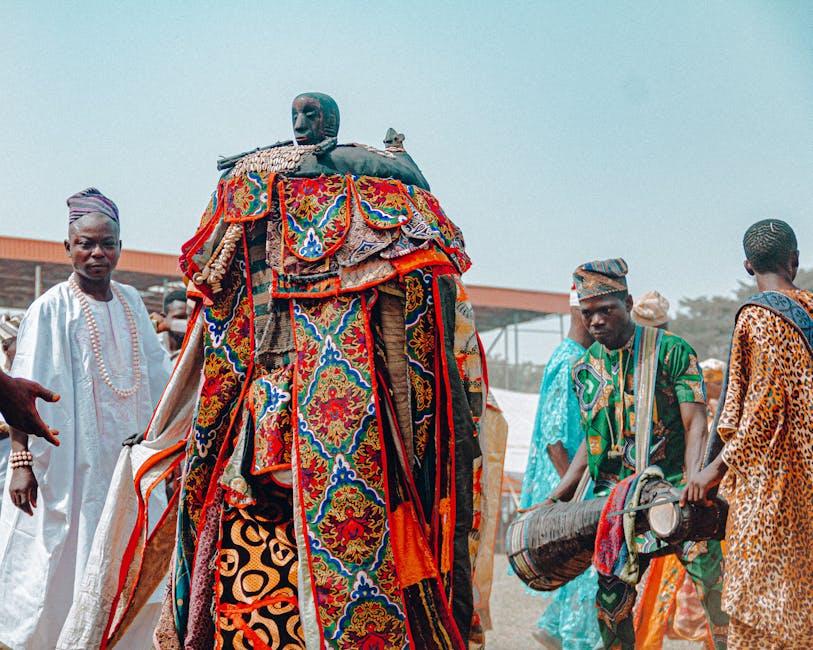
The distinctive sound of the Yoruba can be attributed to their unique instruments, such as the talking drum (dundun), bata drums, and agogô. These instruments are not just played; they speak, conveying messages and emotions in a language all their own.
"The talking drum is the voice of the Yoruba people, echoing their stories across generations."
Modern Influence
Modern Yoruba music has evolved but still retains its traditional roots. Artists like King Sunny Ade have brought the fusion of traditional and modern sounds to the international stage, showcasing the versatility and enduring appeal of Yoruba music.
- King Sunny Ade: Pioneer of modern Juju music.
- Femi Kuti: Known for Afrobeat, a genre that blends Yoruba music, jazz, and funk.
Culinary Delights: A Taste of Yoruba
The Yoruba cuisine is a flavorful journey, offering a diverse array of dishes that reflect the culture's vibrancy and diversity.
Staple Dishes
Yoruba cuisine is characterized by its hearty and spicy flavors, with jollof rice, pounded yam, and egusi soup being staples at Nigerian dining tables. These dishes are often communal, bringing families and friends together to share in the feast.
- Jollof Rice: A beloved dish across West Africa, known for its rich tomato base.
- Pounded Yam and Egusi: A traditional combo, often enjoyed with a variety of soups.
Street Food
Street food is an integral part of the Yoruba culinary experience. Suya, spicy grilled meat skewers, and Akara, deep-fried bean cakes, are popular choices for those seeking a quick and tasty bite.
Festivals: Celebrating Life and Tradition
Festivals are the lifeblood of Yoruba culture, offering a glimpse into the community's spiritual and social life. These celebrations are colorful, vibrant, and rich in tradition.
Osun-Osogbo Festival
Held annually in the sacred grove of Osun State, this festival is a two-week-long celebration of the Yoruba goddess of fertility, Osun. It is a UNESCO World Heritage event that draws visitors from all over the world.
Eyo Festival
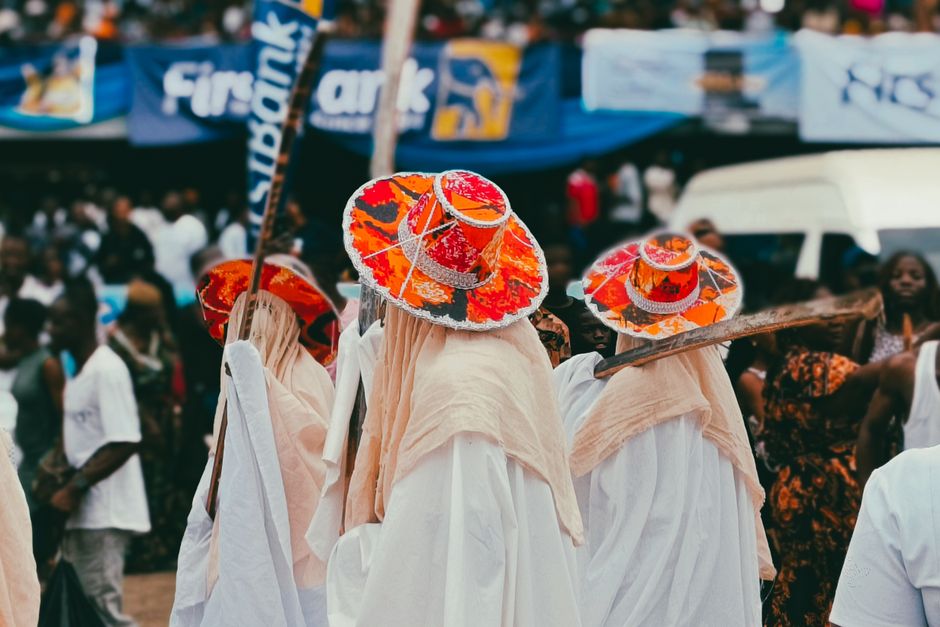
Unique to Lagos, the Eyo Festival is a masquerade parade celebrated in honor of a deceased King. Participants don white robes and the iconic 'Eyo' hat, adding a mystical allure to the streets of Lagos.
- Osun-Osogbo: Celebrates the goddess of fertility in August.
- Eyo Festival: A vibrant Lagos masquerade, marking significant events.
Final Thoughts
Exploring Yoruba culture is like opening a book where each page reveals a new story, a new insight into a world steeped in history and tradition. For Nigerians, especially those from the Yoruba region, this cultural tapestry is a source of pride and identity. For the curious traveler, it is a world waiting to be discovered. Whether you're enthralled by the rhythmic beats of the talking drum, the tantalizing taste of spicy jollof rice, or the intricate beauty of Yoruba art, there's something in Yoruba culture for everyone. So why not embark on this cultural journey and experience the magic of the Yoruba people?