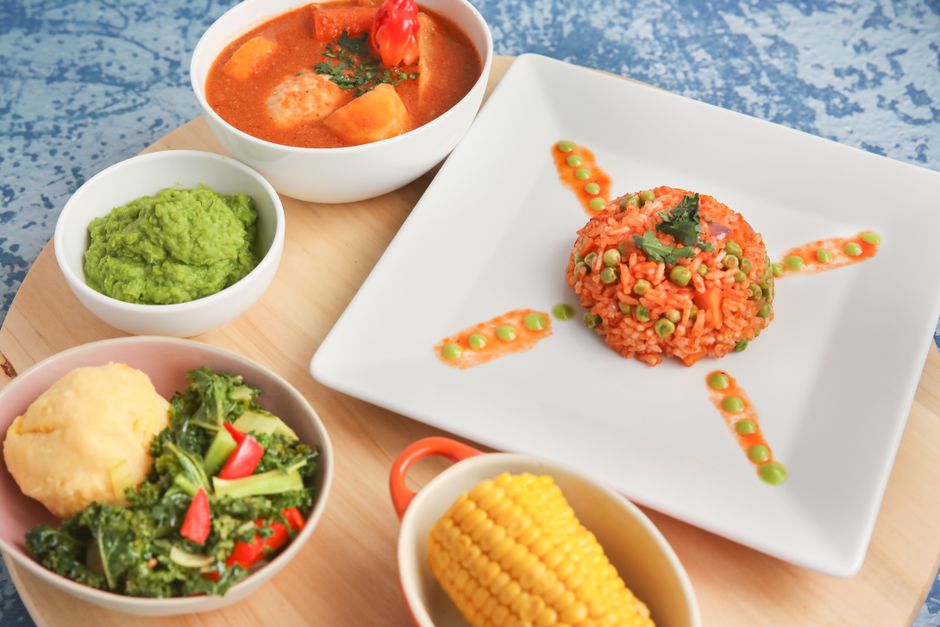
Nigeria, a vibrant country in West Africa, is a treasure trove of culinary delights that reflect its rich cultural heritage and diverse traditions. From the lively streets of Lagos to the serene landscapes of the Niger Delta, Nigerian cuisine offers a sensory journey that is as flavorful as it is enlightening. The primary keyword here is 'Nigerian cuisine,' a term that encapsulates not just the food, but the history and culture embedded in every dish.
As you embark on this culinary journey, prepare to encounter a myriad of exotic flavors and spices that define Nigerian cooking. Whether you're a seasoned foodie or a curious traveler, understanding Nigeria's culinary landscape will enhance your appreciation for this West African nation. So, grab your fork and let's dive into the delicious world of Nigerian cuisine.
The Heart of Nigerian Cuisine: Staples and Ingredients
Rice, Yams, and Grains
Rice is a staple in many Nigerian homes, with jollof rice being the undisputed king of Nigerian parties. It's a one-pot dish made with tomatoes, spices, and vegetables, often accompanied by chicken or beef. Nigerians take pride in their jollof rice, and debates about the best recipe are a national pastime.
Yams are another essential ingredient, often prepared as pounded yam. This starchy dish is paired with rich soups, creating a hearty meal that is both comforting and filling.
- Jollof Rice: A flavorful rice dish cooked with tomatoes and spices.
- Pounded Yam: A smooth, dough-like dish served with a variety of soups.
- Egusi Soup: Made with melon seeds, it's a popular accompaniment to pounded yam.
Spices and Seasonings
The bold flavors of Nigerian cuisine are achieved through a variety of spices and seasonings. From the fiery heat of Scotch bonnets to the earthy notes of ginger, Nigerian cooks know how to layer flavors to create complex dishes.
"Nigerian food is not just about eating; it's about experiencing a combination of culture, spice, and flavor in every bite."
- Scotch Bonnets: These peppers add heat to many Nigerian dishes.
- Ginger and Garlic: Commonly used for their aromatic qualities.
Exploring Regional Flavors
The North: Rich and Spicy
The northern regions of Nigeria are known for their rich and spicy dishes. Suya, a skewered meat delicacy, is a favorite street food that embodies the region's love for bold flavors. The secret lies in the suya spice mix, which includes ground peanuts and chili powder.
The South: A Love for Seafood
In southern Nigeria, seafood takes center stage. The coastal areas provide an abundance of fresh fish, which is often grilled or used in tantalizing pepper soups.
Nigerian Street Food: A Flavor Explosion
Suya: The Ultimate Street Snack
Suya is more than just a snack; it's a social experience. This spicy meat skewer is perfect for a quick bite or a late-night treat, and it's often served with sliced onions and tomatoes.
- Preparation: Marinated in a spicy peanut sauce and grilled to perfection.
- Serving: Typically served with flatbread or garnished with fresh vegetables.
Akara: Bean Fritters
Made from black-eyed peas, akara is a popular breakfast item in Nigeria. These crispy fritters are often enjoyed with pap, a type of fermented cereal pudding.
Final Thoughts
Exploring Nigerian cuisine is like taking a journey through the country's history and culture. From the bustling markets of Lagos to the tranquil villages of the north, each dish tells a story of tradition and heritage. Whether you're savoring the spicy heat of jollof rice or the comforting taste of pounded yam, Nigerian food offers a culinary experience that is both diverse and unforgettable. As you delve into the flavors of Nigeria, remember that each bite is a celebration of the vibrant spirit of West Africa.