Nigeria, the heart of West Africa, pulsates with a cultural richness that is as diverse as its people. From the bustling streets of Lagos to the tranquil villages in the north, Nigeria offers a cultural tapestry that is both fascinating and deeply rooted in history. For Nigerian readers or anyone interested in experiencing a slice of authentic West African culture, understanding Nigeria's cultural landscape is both enlightening and rewarding.
In this guide, we will take you on a journey through some of the key elements that make Nigerian culture so unique and vibrant. We'll dive into the traditional festivals that are celebrated with fervor, the music that gets your feet tapping, and the arts that narrate centuries-old stories. So, whether you're a local looking to reconnect with your roots or a traveler eager to explore, this cultural guide to Nigeria will be your perfect companion.
The Heart of Nigerian Festivals
Festivals in Nigeria are not just events; they are an integral part of the social and cultural fabric. They bring people together, celebrate heritage, and are a showcase of Nigeria's diverse traditions.
The Durbar Festival
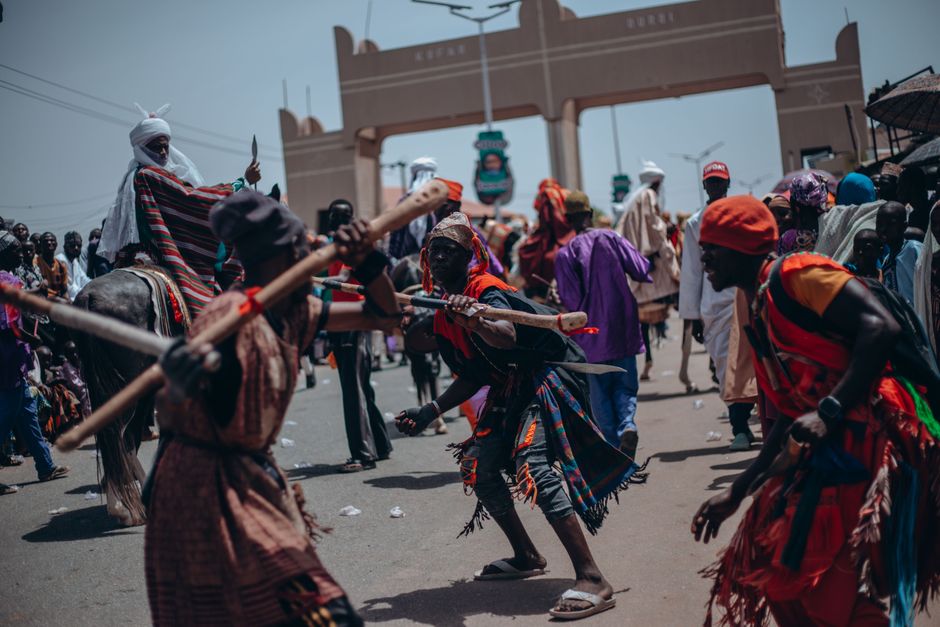
One of the most colorful and vibrant festivals in Nigeria is the Durbar festival, celebrated in the northern regions. Originally organized to mark the end of Ramadan, it has become a cultural spectacle that attracts visitors from all over the world.
Key takeaway: The Durbar festival is a must-see for anyone interested in experiencing the grandeur of Nigerian culture.
- Features traditional horse parades
- Includes exquisite displays of art and fashion
- Highlights community spirit and unity
The Eyo Festival
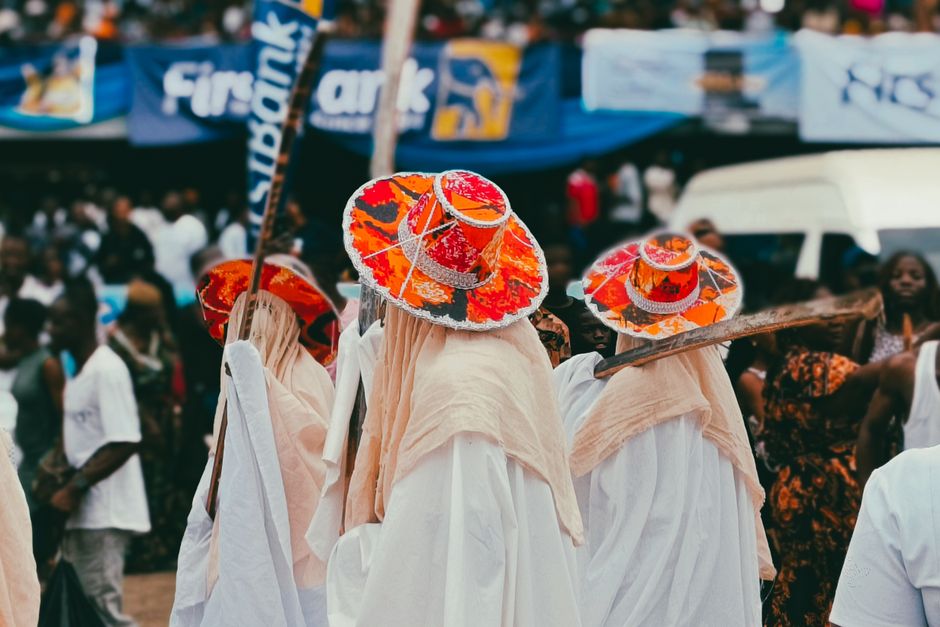
In Lagos, the Eyo festival is an iconic event that symbolizes purity and the celebration of the past. Participants, known as 'Eyo', dress in white robes and hats, parading through the streets in a rhythmic procession.
Expert tip: Attend the Eyo festival to witness the unique 'Agogoro Eyo' dance, a traditional cultural performance.
The festival not only serves as a tourist attraction but also promotes peace and harmony among the various ethnic groups in Lagos.
Music: The Soul of Nigeria
Nigerian music is a dynamic blend of traditional and modern sounds, with Afrobeat leading the charge on the international stage. The music scene in Nigeria is a testament to the country's rich cultural heritage and creative spirit.
Afrobeat: Fela Kuti's Legacy
Afrobeat, pioneered by the legendary Fela Kuti, is more than just music; it is a movement. Known for its powerful beats and politically charged lyrics, Afrobeat continues to influence musicians around the world.
- Combines traditional African rhythms with jazz and funk
- Addresses social and political issues
- Inspirational to contemporary artists like Burna Boy and Wizkid
Highlife and Fuji
Highlife and Fuji music genres also play significant roles in Nigeria's musical landscape. These genres embody the lively and celebratory essence of Nigerian culture, often performed at weddings and other social gatherings.
Listening to Highlife or Fuji is an experience that connects you to the vibrant energy and joy of Nigerian life.
Nigerian Arts and Crafts
Nigeria's artistic expressions are as diverse as its people, characterized by a variety of traditional and contemporary forms. From intricate wood carvings to colorful paintings, Nigerian art is a reflection of the country's history and identity.
Traditional Crafts
The art of bead-making, pottery, and textile weaving are skills passed down through generations, playing a crucial role in traditional ceremonies and everyday life.
Important tip: Visit local markets in Abuja or Ife to purchase authentic Nigerian crafts and support local artisans.
Contemporary Nigerian Art
In recent years, contemporary Nigerian art has gained international recognition. Artists like Njideka Akunyili Crosby and Kehinde Wiley have put Nigerian art on the global map, showcasing works that explore themes of identity and heritage.
Exploring galleries in Lagos or attending artistic exhibitions is a great way to appreciate the modern artistic flair of Nigeria.
Cuisine: A Taste of Nigeria
Nigerian cuisine is a delightful blend of flavors and spices, offering a culinary journey like no other. From the spicy jollof rice to the savory suya, Nigerian food is a celebration of taste and tradition.
Staple Dishes
Nigerian staples such as pounded yam, egusi soup, and akara are not only delicious but also a vital part of cultural gatherings and family meals.
- Jollof Rice: A party favorite known for its vibrant color and rich taste
- Pepper Soup: A spicy broth often served as a starter
- Moi Moi: A steamed bean pudding that's both nutritious and tasty
Street Food
Exploring street food in Nigeria is a must for any food lover. Vendors offer a variety of snacks ranging from roasted corn to puff puff, creating a vibrant street food culture that is both affordable and delicious.
Sampling Nigerian street food is an excellent way to experience the local flavors and connect with the community.
Final Thoughts
Nigeria's culture is a mosaic of traditions, music, art, and cuisine, each contributing to the country's rich and vibrant identity. Exploring these cultural elements offers a deeper understanding of what it means to be Nigerian and the diverse influences that shape this West African nation.
Whether you're planning a trip to Nigeria or simply want to learn more about its cultural heritage, immerse yourself in the experiences and stories that make Nigeria truly unique. Let the rhythms, flavors, and artistry of Nigeria inspire you on your cultural journey.