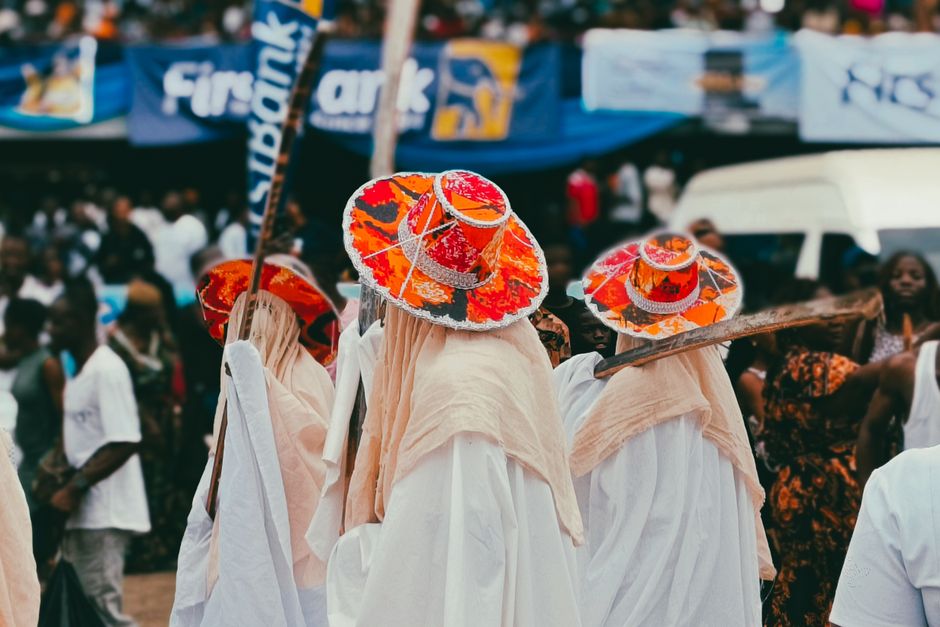
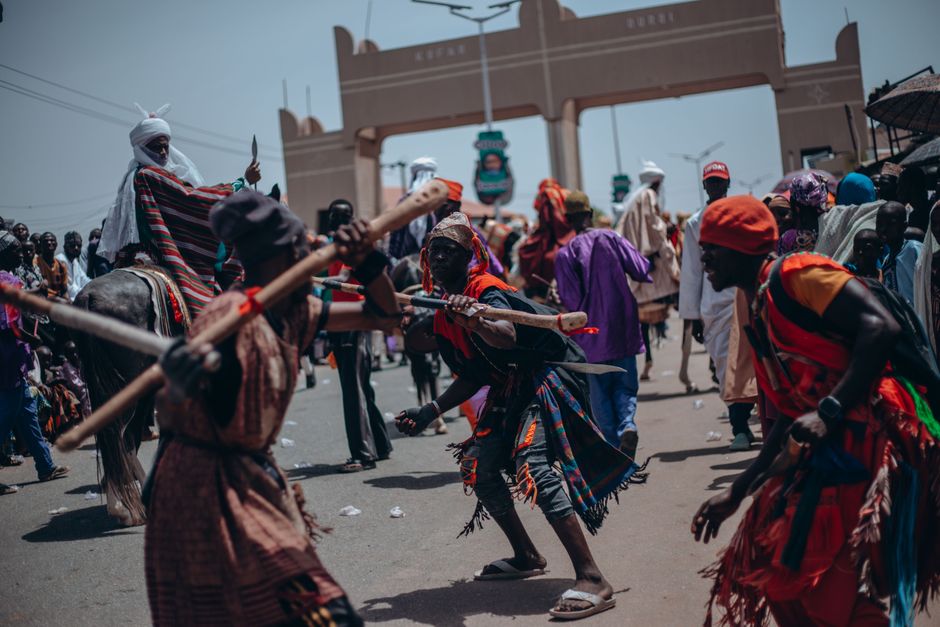
East Africa is a region brimming with cultural richness and diversity, inviting travelers to explore its fascinating traditions and heritage. From the colorful Maasai of Kenya to the vibrant Swahili culture along the coast, East Africa offers a tapestry of experiences that can enhance your understanding of the African continent. For Nigerian travelers eager to deepen their cultural awareness, East Africa presents a unique opportunity to connect with both the familiar and the exotic.
With its captivating traditions, distinctive music, unique festivals, and warm hospitality, East Africa is more than just a geographical area—it's a journey into the heart of Africa. Whether you're a curious traveler or a culture enthusiast, this guide will take you through the various aspects of East African culture that you simply cannot miss.
The Rich Traditions of the Maasai
The Maasai people are perhaps one of the most iconic cultural groups in East Africa. Known for their vibrant red shukas (cloaks) and intricate beadwork, the Maasai have long captured the world’s imagination.
Maasai Lifestyle and Traditions
The Maasai live primarily in southern Kenya and northern Tanzania and maintain a semi-nomadic lifestyle. They are pastoralists, relying heavily on cattle for their livelihood, which is central to their culture and social structure.
- Dress and Ornamentation: The Maasai are renowned for their striking red clothing and beads. Each piece of jewelry often carries significant cultural meaning.
- Rites of Passage: Maasai boys undergo a series of initiations to become warriors, known as morans, which include living in isolation and learning survival skills.
- Social Structure: The society is organized into age sets, and elders play a crucial role in decision-making.
"The Maasai's adherence to their traditions despite modern influences is a testament to their cultural pride."
Swahili Culture: The Coastal Jewel
Along the Indian Ocean coast, from Kenya to Mozambique, lies the enchanting Swahili culture. This culture is a melting pot of African, Arab, and Indian influences, resulting in a unique cultural tapestry.
Language and Influence
Swahili, also known as Kiswahili, is widely spoken in East Africa and serves as a lingua franca in the region. This language binds together the diverse cultures along the coast.
- Cultural Heritage: The Swahili coast is rich in historical sites, including ancient towns and the UNESCO World Heritage site of Lamu.
- Food and Cuisine: Swahili cuisine is flavorful and diverse, featuring spices like cardamom and curry, with dishes such as pilau and biryani.
- Festivals: The Lamu Cultural Festival is a vibrant celebration of Swahili heritage, featuring dhow races, poetry, and music.
"For Nigerian travelers, exploring Swahili culture offers a blend of familiarity with its African roots and newness with its Arab influences."
Music and Dance: A Rhythmic Journey
East Africa's musical landscape is as varied as its cultures, offering a rhythmical journey through its diverse sounds.
Traditional Music
From the drum beats of Uganda to the taarab music of Zanzibar, traditional music in East Africa plays a critical role in cultural expression.
- Instruments: Traditional instruments such as the nyatiti, a stringed instrument from Kenya, and the ngoma drums of Tanzania, are integral to local music.
- Dance: Dance is often a communal activity, with dances like the Rwandan Intore and the Kenyan Maasai jumping dance reflecting social and cultural themes.
Modern Influences
Genres like Bongo Flava from Tanzania and Kenyan genge have gained popularity, showcasing the region's adaptability to modern music trends.
"Music is a universal language, and in East Africa, it serves as a bridge connecting different cultures and generations."
Hospitality: The Heart of East African Culture
Hospitality in East Africa is more than just a welcoming gesture; it is a deeply ingrained part of the culture.
The Concept of Ubuntu
Ubuntu, often translated as "I am because we are," is a philosophy that underscores community and interconnectedness, a cornerstone of East African hospitality.
- Warm Welcomes: Guests are often treated with great respect and generosity, reflecting the Ubuntu spirit.
- Community Living: Many East Africans live in close-knit communities where sharing and cooperation are vital.
"Experiencing East African hospitality gives Nigerian travelers a sense of belonging and connection to a broader African family."
Final Thoughts
Exploring the vibrant culture of East Africa is a remarkable journey into the heart of the continent. For Nigerian travelers, it offers a blend of familiarity and discovery, with rich traditions, colorful festivals, and a warm, welcoming spirit. Whether you are dancing to the beat of traditional drums or savoring Swahili cuisine, the cultural experiences of East Africa are bound to leave a lasting impression.
Embrace this opportunity to connect with your African heritage, learn from diverse cultures, and carry the spirit of East African hospitality with you wherever you go. As you journey through East Africa, remember that its cultural richness is not just in its traditions but also in the warmth and openness of its people.