Nigeria's music scene is a vibrant tapestry woven from diverse cultural threads, each contributing to a rich, dynamic soundscape. As a Nigerian reader, this exploration into the heart of our country's music might feel like a journey back home, with familiar beats and rhythms resonating deeply within you. From the bustling streets of Lagos to the serene landscapes of the Niger Delta, music is not just a form of entertainment; it's a vital part of our identity and heritage.
Join us as we dive into the pulsating world of Nigerian music culture, where traditional melodies harmoniously blend with contemporary beats, creating sounds that echo across continents. Whether you're a fan of Afrobeats, highlife, or juju music, this exploration promises to resonate with your love for music and offer insights into its evolution over the years.
The Historical Roots of Nigerian Music
Pre-colonial Musical Traditions
Long before the colonial era, music played an integral role in the social and spiritual life of various Nigerian communities. Each ethnic group had distinct musical styles that served ceremonial and storytelling purposes.
- The Yoruba people, for example, have a rich drumming tradition known as talking drums, used for communication and ritual purposes.
- In Eastern Nigeria, the Igbo folk music primarily involved dance and narrative-driven performances accompanied by indigenous instruments like the udu and ogene.
The Impact of Colonialism
Colonialism introduced new instruments and musical styles, significantly impacting the existing musical landscape. Western instruments like the guitar and piano were integrated, leading to the birth of new genres.
Highlife music, which emerged in the 1920s, is a notable example, blending traditional African rhythms with Western sounds to create a unique dance music style that quickly gained popularity across West Africa.
"Music is the weapon.” – Fela Kuti
The Rise of Modern Nigerian Music
Afrobeats Revolution
In recent decades, Nigerian music has achieved global recognition, largely thanks to the explosive rise of Afrobeats. This modern genre fuses traditional African rhythms with jazz, funk, and electronic elements.
- Artists like Wizkid, Davido, and Burna Boy have propelled Afrobeats onto the international stage, earning accolades and collaborating with global stars.
- Afrobeats is not just a genre; it's a movement that has put Nigerian culture on the global map, influencing fashion, dance, and even politics.
Influence of Technology and Media
The digital age has played a crucial role in the dissemination of Nigerian music. Streaming platforms and social media have made it easier for artists to reach an international audience.
This technological advancement has democratized music production and distribution, allowing even grassroots musicians to share their work globally, fostering a diverse and competitive musical environment.
The Cultural Significance of Music in Nigeria
Music as a Social Glue
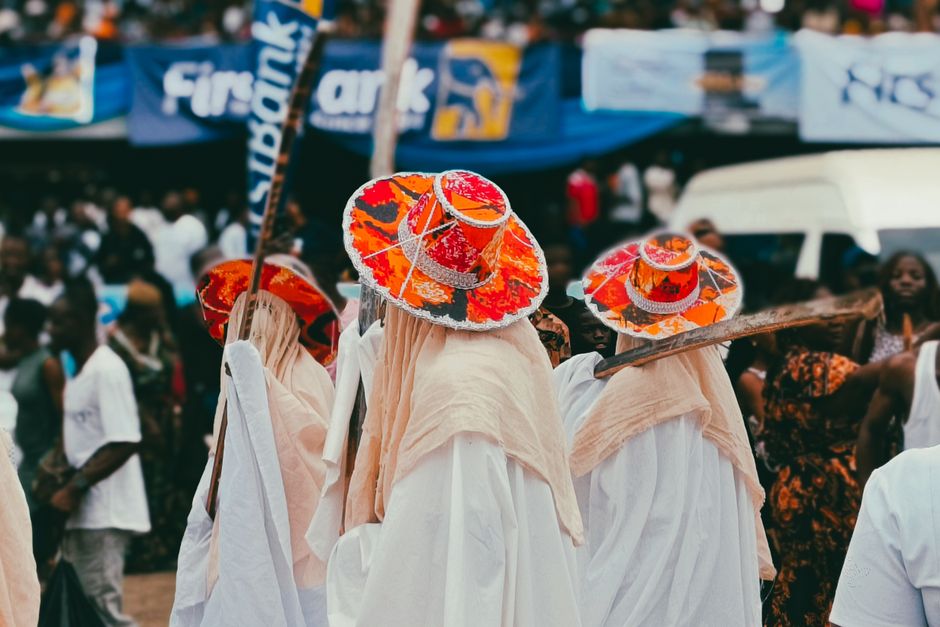
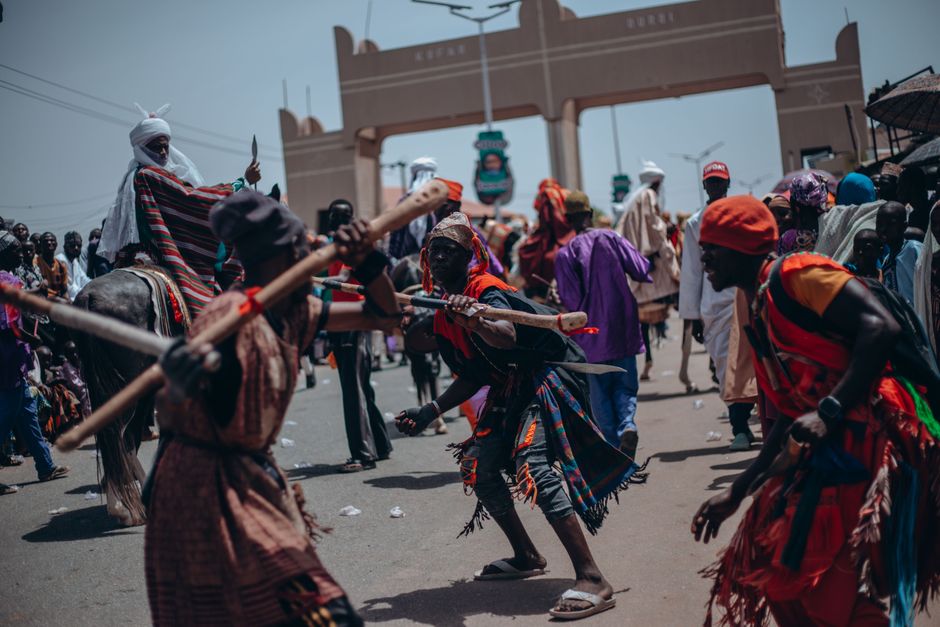
In Nigeria, music often serves as a unifying force, bridging ethnic, social, and generational divides. Events such as weddings, festivals, and political rallies are incomplete without vibrant musical performances that bring people together.
The diversity in Nigeria's music reflects the country's cultural richness, with each region championing its unique sound, yet all contributing to a collective national identity.
Music and Activism
Music has long been a vehicle for social and political commentary in Nigeria. Artists like Fela Kuti used their music to speak against corruption and injustice, inspiring generations to use their voices for change.
Today, musicians continue to address social issues through their lyrics, influencing public discourse and advocating for reforms in various sectors.
Traveling Through Nigeria's Musical Cities
Lagos: The Heartbeat of Afrobeats
Lagos, the commercial capital of Nigeria, is the epicenter of the country's music scene. It hosts numerous music festivals and concerts, drawing artists and music lovers from around the world.
The city's nightlife is legendary, with clubs and bars pulsating to the latest Afrobeats hits, making it a must-visit for any music enthusiast.
Port Harcourt and the Highlife Heritage
Known for its vibrant cultural festivals, Port Harcourt is another significant musical hub. The city has a rich history of highlife music and continues to nurture talents in various genres.
Visiting Port Harcourt offers an opportunity to experience live highlife performances and explore the cultural heritage that has shaped the Nigerian music industry.
Conclusion
Nigerian music culture is a testament to the country's rich cultural heritage and dynamic creativity. It continues to evolve, influencing music worldwide and providing an authentic voice for Nigerians to share their stories. As you traverse this melodious landscape, remember that music in Nigeria is more than just sound; it's an experience, a community, and a reflection of the nation's soul.