Nigeria, a land steeped in history and brimming with cultural treasures, offers an immersive experience for travelers eager to explore its vibrant traditions. With over 250 ethnic groups, each with its unique customs and traditions, Nigeria is a microcosm of African diversity. From the lively beats of Afrobeat music to the tantalizing flavors of local cuisine, Nigerian culture is a rich tapestry waiting to be discovered.
For many Nigerian readers, these cultural experiences are woven into the fabric of daily life. However, gaining a deeper understanding of this diverse cultural landscape can enrich your perspective and appreciation of your heritage. Whether you're planning a trip to Nigeria or seeking to connect with your roots, this guide will take you on a cultural journey through the land of the Niger.
The Diversity of Nigerian Ethnic Groups
Understanding Nigeria's Ethnic Landscape
Nigeria's ethnic diversity is one of its greatest strengths. The country is home to major ethnic groups such as the Hausa, Igbo, and Yoruba, each contributing to the nation's cultural richness. These groups have their distinct languages, traditions, and cuisines that they proudly showcase.
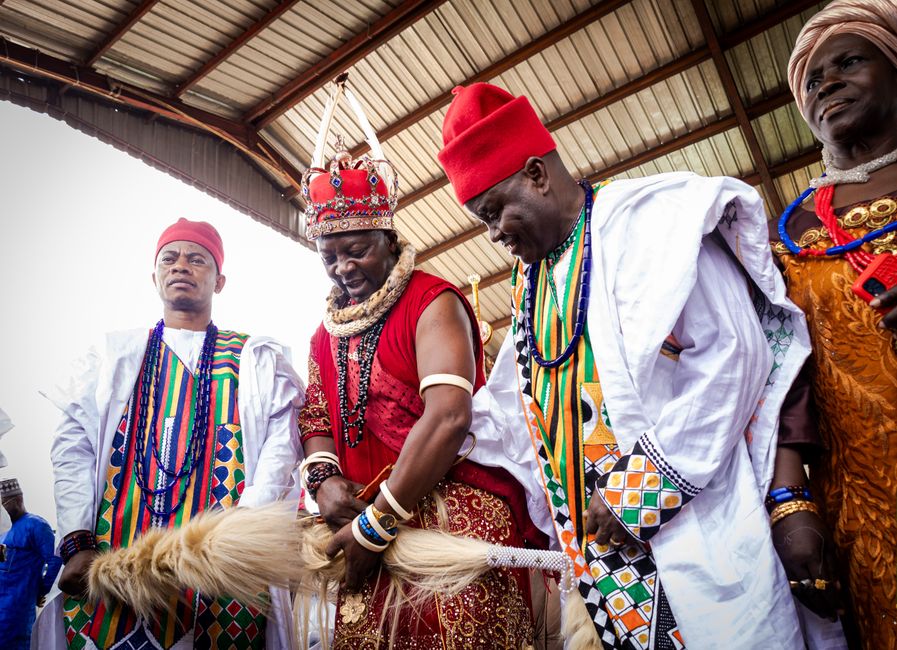
For instance, the Yoruba people are known for their intricate beadwork and vibrant festivals, while the Igbo are celebrated for their entrepreneurial spirit and colorful masquerades. Understanding these differences can help you appreciate the intricate social fabric of Nigeria.
The Role of Language in Cultural Heritage
In Nigeria, language is not just a means of communication; it's a repository of culture and history. Each ethnic group cherishes its language as a vital part of its identity. While English is the official language, you’ll find that many Nigerians are multilingual, often speaking their native tongue at home.
"Our languages are more than just words; they encapsulate the soul of our people." - Nigerian Proverb
Festivals: A Celebration of Life and Culture
The Vibrancy of Nigerian Festivals
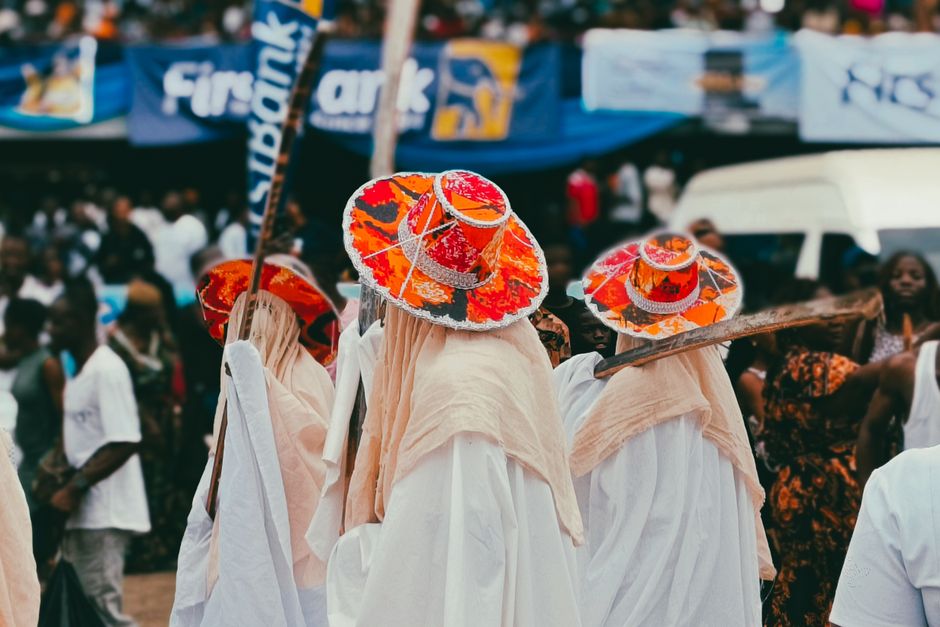
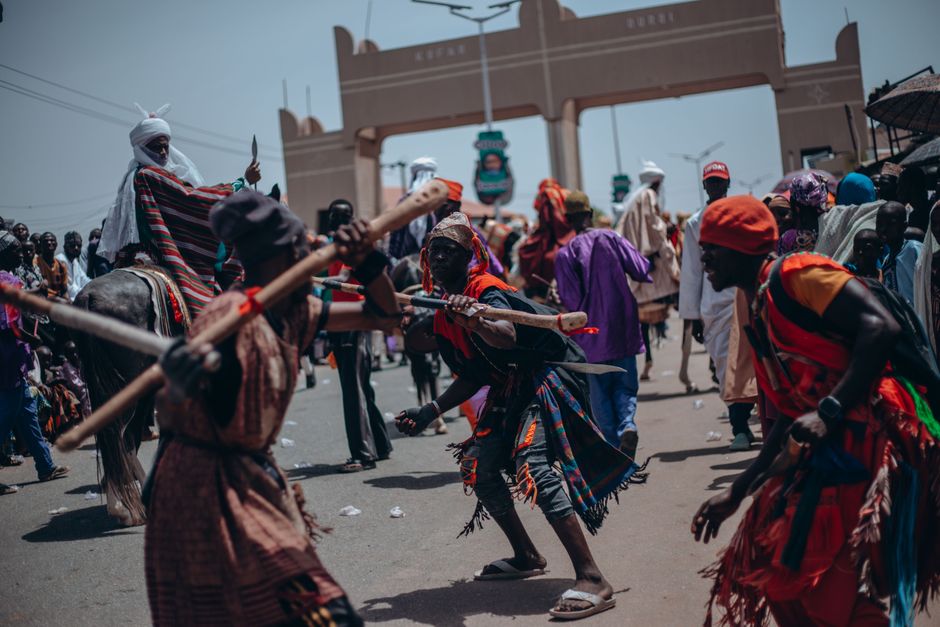
Nigerian festivals are grand affairs that showcase the country's vibrant culture and traditions. Whether it's the colorful parades of the Durbar festival in the north or the rhythmic dances at the Osun-Osogbo festival, these events are a feast for the senses.
Festivals are not only a time for celebration but also an opportunity to pass down traditions to younger generations. They serve as a reminder of the cultural heritage that binds communities together.
Participating in Traditional Celebrations
- Research local festivals happening during your visit to Nigeria.
- Engage with locals to learn more about the significance of each event.
- Respect cultural norms and dress codes when attending festivals.
By participating in these celebrations, you'll gain a deeper understanding of Nigerian culture and perhaps make lifelong friends along the way.
Culinary Delights: A Taste of Nigeria
Exploring Nigerian Cuisine
Nigerian cuisine is as diverse as its people, offering a tantalizing array of flavors and textures. From the spicy heat of jollof rice to the savory goodness of suya, Nigerian food is a celebration of bold spices and fresh ingredients.
Each region has its specialties, and trying these dishes is a delicious way to explore the country's culinary heritage.
Must-Try Nigerian Dishes
- Jollof Rice: A West African staple, often served at parties and gatherings.
- Egusi Soup: A hearty soup made with melon seeds, served with pounded yam.
- Suya: Spicy skewered meat, popular as a street food snack.
- Akara: Deep-fried bean cakes, perfect for breakfast or as a snack.
As you savor each dish, you'll gain insights into the cultural influences that have shaped Nigerian cuisine over the centuries.
The Art of Nigerian Fashion
Traditional Attire and Modern Trends
Nigerian fashion is a vibrant blend of traditional attire and contemporary styles. Whether it's the elegant agbada worn by Yoruba men or the colorful ankara prints favored by women, fashion is a strong expression of identity and creativity.
In recent years, Nigerian designers have gained international recognition, showcasing their work on global runways and influencing fashion trends worldwide.
Embracing African Fashion
- Explore local markets for unique fabric and clothing items.
- Support Nigerian designers by purchasing locally made products.
- Incorporate traditional elements into your wardrobe for a cultural twist.
By embracing Nigerian fashion, you celebrate the creativity and innovation of African designers, while also supporting the local economy.
Conclusion
Nigeria's rich cultural heritage offers a profound and engaging experience for anyone willing to delve into its depths. From the diverse ethnic groups and their unique languages to the vibrant festivals and mouthwatering cuisine, there is so much to explore and appreciate.
As you journey through Nigeria, remember that the essence of its culture lies in the stories, traditions, and shared experiences of its people. Embrace the opportunity to learn, connect, and celebrate the richness of Nigerian culture.