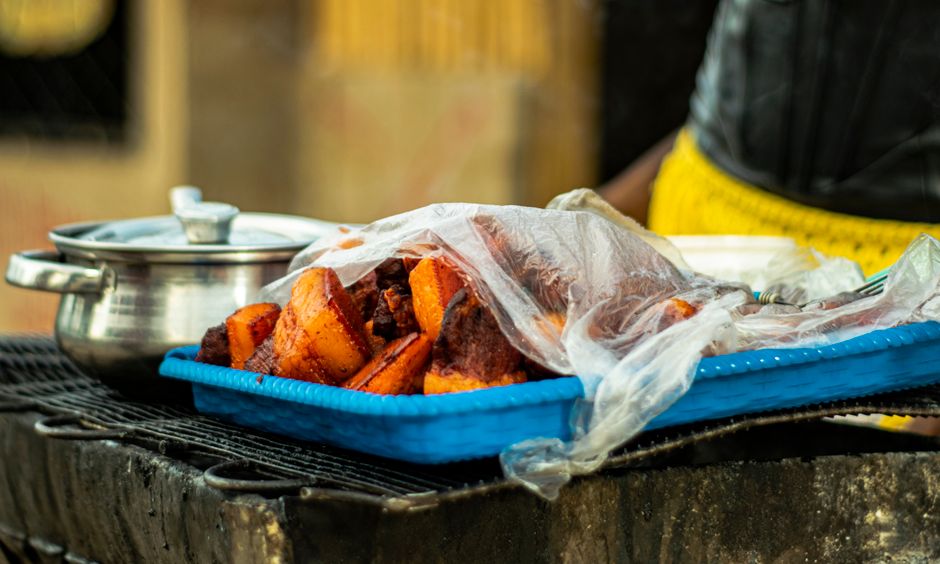
Nigeria, a vibrant country in West Africa, is known for its rich cultural tapestry and diverse culinary offerings. For Nigerian readers and travelers alike, exploring the country's cuisine is akin to embarking on a flavorful journey that tells the story of its people, land, and traditions. Whether you're already familiar with Nigerian dishes or looking to expand your palate, understanding the nuances of Nigerian cuisine offers a deeper appreciation of its culture.
This culinary journey through Nigerian cuisine will take you from the bustling markets of Lagos to the traditional kitchens in Kano, exploring the aromas, textures, and flavors that make this food culture so captivating. As we delve into this topic, we will explore various aspects such as staple ingredients, popular dishes, regional specialties, and the social significance of meals in Nigerian society.
A Glimpse into Nigerian Culinary History
The roots of Nigerian cuisine are steeped in history, with influences from indigenous cultures as well as interactions with Europeans, Asians, and other African communities. This melting pot of influences has resulted in a unique culinary identity.
Indigenous Ingredients
Nigeria's cuisine is characterized by the use of locally sourced ingredients that form the backbone of many dishes. Staples like yams, cassava, rice, and corn are widely used across the country.
- Yam: Often boiled, fried, or pounded into a smooth consistency to create dishes like pounded yam and yam porridge.
- Cassava: Transformed into garri or fufu, staples that accompany various soups.
- Rice: A versatile ingredient in dishes such as Jollof rice and fried rice.
Influences from Trade and Colonization
Trade routes and colonization introduced new ingredients and cooking techniques to Nigeria, enriching its culinary landscape. Spices from India, techniques from the Portuguese, and produce from the Americas have all played a role in shaping modern Nigerian cuisine.
"The intersection of diverse cultures through trade and colonization has made Nigerian cuisine a tapestry of flavors that tells a story beyond its borders."
Popular Nigerian Dishes to Try
Nigerian cuisine is famed for its flavorful, hearty dishes that are often accompanied by vibrant side dishes. Here are some must-try dishes for any visitor or culinary enthusiast.
Jollof Rice
Perhaps Nigeria's most famous dish, Jollof rice is a party staple known for its unique blend of spices and tomato base, creating a rich and savory dish.
Egusi Soup
A traditional soup made from ground melon seeds, Egusi is often enjoyed with pounded yam or fufu, offering a hearty and comforting meal.
Suya
This spicy meat skewer, often made from beef or chicken, is a popular street food that showcases the bold flavors typical of Nigerian barbecuing.
Regional Culinary Specialties
Each region in Nigeria offers distinct culinary specialties, reflecting the local produce and cultural practices.
Northern Nigeria
In the north, dishes often feature grains like millet and sorghum, with a preference for stews and soups such as miyan kuka and tuwo shinkafa.
Southern Nigeria
The south is famous for its seafood dishes, such as banga soup and pepper soup, which highlight the bounty of Nigeria's coastal waters.
The Social Significance of Nigerian Meals
Meals in Nigeria are not just about sustenance; they are a central part of social life and cultural expression.
Celebrations and Gatherings
Food is a focal point during celebrations, with dishes prepared to mark weddings, festivals, and other significant events.
Everyday Social Interactions
Sharing a meal is a way to bond with family and friends, with the act of eating together seen as a moment of unity and joy.
"In Nigerian culture, food is an expression of love and hospitality, bringing people together to share in the joy of life."
Conclusion
Exploring Nigerian cuisine is a journey through a rich cultural landscape. From the diverse ingredients to the vibrant dishes and the social significance of meals, Nigerian food offers a window into the heart and soul of the country. For Nigerian readers and travelers, appreciating these culinary traditions is a way to connect more deeply with their heritage and share it with the world.