Ghana, the 'Gateway to Africa,' is a country steeped in history, culture, and traditions that captivate travelers from around the world. From the vibrant streets of Accra to the serene landscapes of the Volta Region, Ghana offers a rich cultural experience that beckons every adventurous soul. As a Nigerian reader, you will find both familiar and novel elements in the Ghanaian way of life, offering a unique opportunity to explore and appreciate West African cultural diversity.
In this article, we will take you on a journey through Ghana's cultural landscape, delving into its age-old traditions, colorful festivals, and delightful culinary practices. Whether you're planning a visit or simply seeking to learn more about our West African neighbors, this guide will equip you with insights that promise an enriching experience.
The Vibrant Festivals of Ghana
Homowo Festival
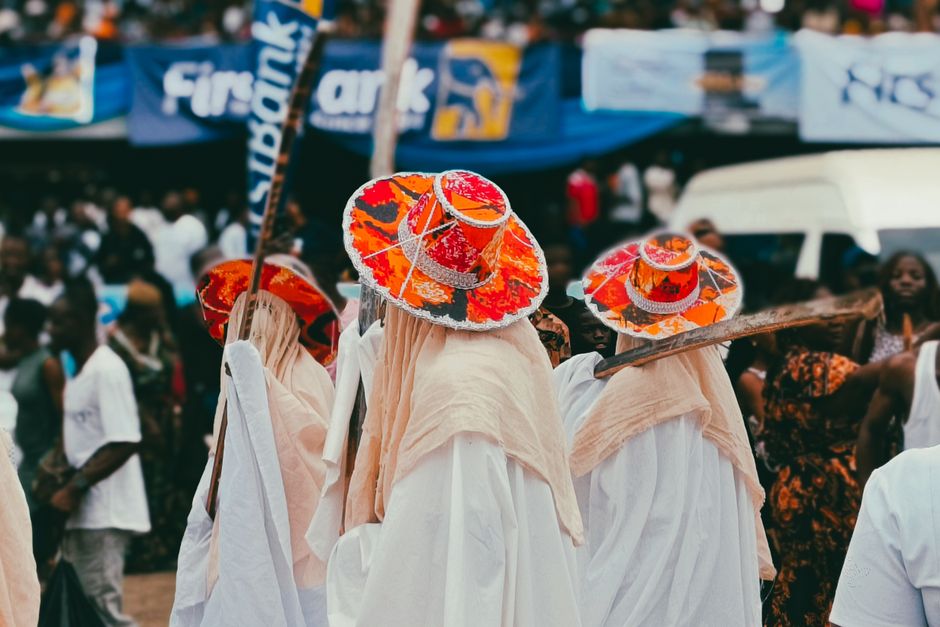
The Homowo Festival, celebrated by the Ga people, is one of Ghana's most famous cultural events. It marks the end of a famine and the beginning of a bountiful harvest, characterized by music, dance, and the sharing of traditional meals.
"Homowo means 'hooting at hunger' and is a testament to the resilience and unity of the Ga people."
Aboakyir Festival
The Aboakyir Festival, an annual deer hunting event in Winneba, serves as a ritualistic hunt to honor the gods, particularly the deity Penkye Otu. The festival is a fascinating blend of tradition and community spirit, culminating in vibrant celebrations.
- Tradition: The festival involves dividing into groups to capture a live deer, symbolizing bravery and strength.
- Community: The captured deer is offered to the gods for blessings and prosperity.
The Culinary Delights of Ghana
Jollof Rice
No conversation about Ghanaian cuisine is complete without mentioning Jollof Rice. This beloved West African dish sparks friendly debates over which country—Nigeria or Ghana—makes it best. Enjoying Jollof in Ghana is a flavorful adventure you wouldn't want to miss.
Fufu and Light Soup
A staple in many Ghanaian homes, Fufu is typically served with a rich and spicy light soup. This dish, traditionally made by pounding cassava and plantains, is a communal meal that brings families together.
"Fufu and Light Soup represent more than just a meal; they are cultural symbols of togetherness and hospitality."
The Artistic Heritage of Ghana
Kente Cloth
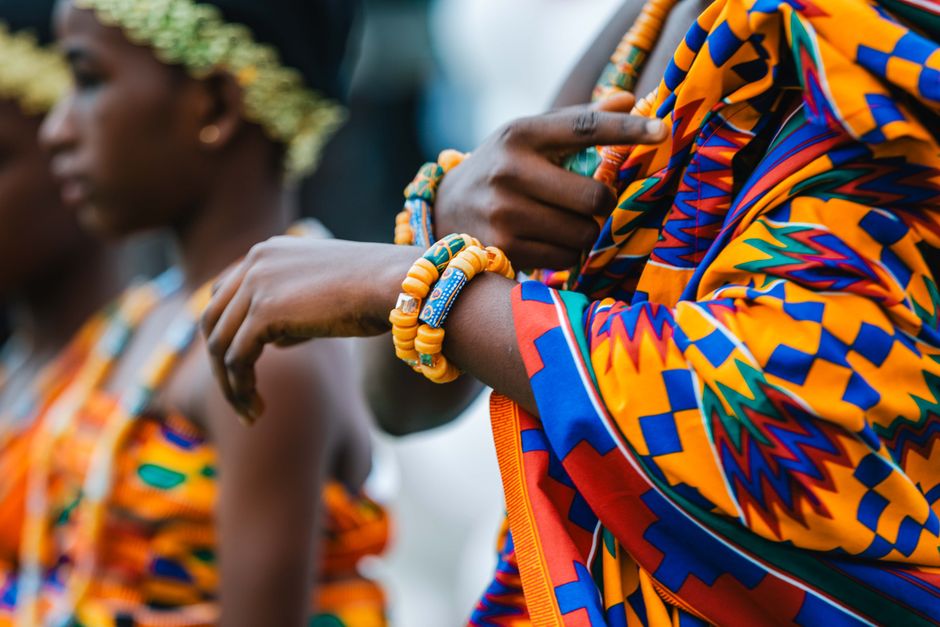
Kente, a vibrant and intricately woven cloth, is perhaps the most recognizable symbol of Ghanaian artistry. Originally reserved for royalty, today it is worn by many during special occasions, embodying cultural pride and identity.
Adinkra Symbols
Adinkra symbols, often seen on cloth and pottery, carry deep philosophical meanings. These symbols express various themes such as wisdom, strength, and unity, making them an integral part of Ghanaian art and culture.
- Wisdom: Symbols like 'Nyansapo' represent intelligence and patience.
- Unity: 'Fawohodie' symbolizes freedom and independence.
The Spiritual Landscape
The Role of Chiefs
Chiefs play a critical role in Ghanaian society, serving as custodians of tradition and mediators in community matters. Their influence extends beyond governance to spiritual and cultural domains.
Traditional Beliefs
While Christianity and Islam are widely practiced, traditional beliefs continue to thrive in many communities, often intertwining with modern religious practices to form a unique spiritual tapestry.
Conclusion
Ghana's cultural landscape is a mosaic of traditions, art, and beliefs that reflect its rich history and dynamic present. As you delve into its festivals, savor its dishes, and engage with its art, you'll discover a country that celebrates its past while embracing the future. Whether you're a traveler or an enthusiast of African cultures, Ghana offers a wealth of experiences that promise to enlighten and inspire.