East Africa, with its sweeping landscapes and a patchwork of diverse cultures, offers a tantalizing tapestry of traditions waiting to be unraveled. For Nigerian readers looking to explore beyond the borders, East Africa provides an immersive cultural experience that is both familiar and intriguing. Whether it's the iconic Maasai warriors or the rhythmic beats of Swahili music, this region resonates with a cultural vibrancy that is captivating and enriching.
In this article, we delve into the core of East African culture, highlighting the unique customs, languages, and culinary delights that define this captivating region. With a shared passion for tradition and community, East Africa offers Nigerian travelers a chance to connect with a rich cultural heritage that echoes some of their own experiences. Let's uncover the layers of East African culture, one tradition at a time.
The Enigmatic Maasai Culture
A People of Tradition
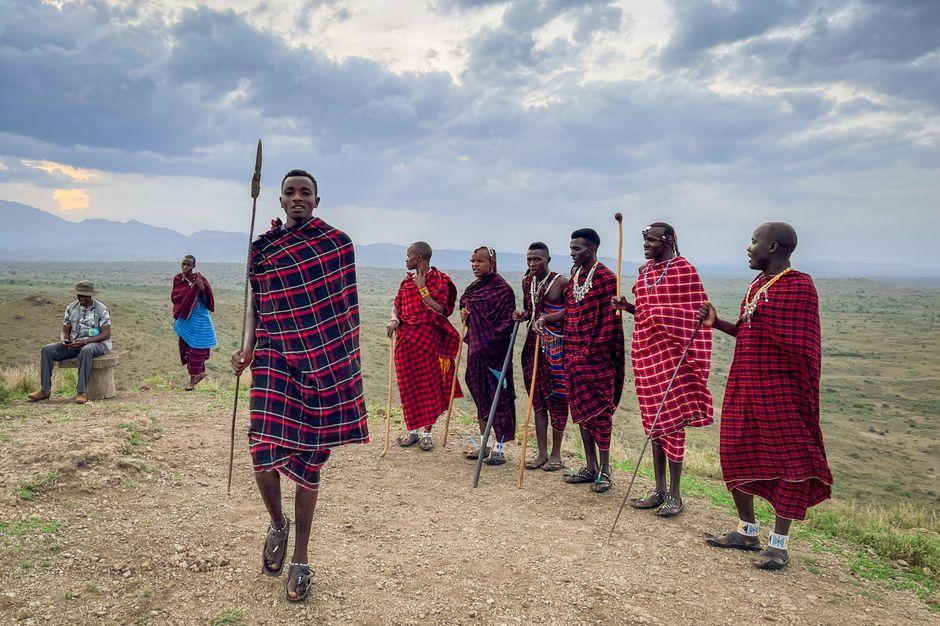
The Maasai people are perhaps one of the most recognized ethnic groups in East Africa. Known for their distinctive dress and vibrant beadwork, the Maasai have preserved their cultural practices through centuries of change. Like the Yoruba and Hausa of Nigeria, the Maasai take pride in their heritage, blending age-old customs with modern influences.
The Maasai Lifestyle
Living across the sprawling savannahs of Kenya and Tanzania, the Maasai have adapted to a nomadic lifestyle, centered around cattle rearing. Cattle are not just a source of food; they symbolize wealth, social status, and cultural identity. This connection to cattle is reminiscent of farming communities in Nigeria where livestock plays a significant role.
- Rituals and Ceremonies: Maasai rituals such as the Eunoto ceremony, a rite of passage for young warriors, reflect a rich tradition of storytelling and community bonding.
- Traditional Attire: The vibrant shukas (cloths) and intricate beadwork worn by the Maasai are a visual testament to their cultural identity.
The Swahili Coast: A Melting Pot of Cultures
Historical Influences
The Swahili coast is an extraordinary blend of African, Arab, Persian, and Indian influences. As trade routes flourished along the East African coast, these cultures intermingled, creating a unique Swahili identity. This cultural fusion is akin to Nigeria's own diverse ethnic landscape, where different groups coexist and influence each other.
Swahili Language and Cuisine
Swahili, a Bantu language with significant Arabic influences, serves as a lingua franca in East Africa. It's a language of unity, much like the role of English and Hausa in Nigeria. Swahili cuisine, with dishes like pilau and samosas, offers a delightful culinary journey, combining spices and flavors from across the Indian Ocean.
- Popular Dishes: Try the flavorful Swahili biryani or the sweet delicacy of halwa, similar to Nigeria’s own love for rich, spicy food.
- Marketplaces: The bustling markets of Mombasa recall the vibrant Lagos markets, where a kaleidoscope of goods and spices greet the senses.
Music and Dance: The Soul of East Africa
The Rhythms of East Africa
Music and dance are integral to East African culture, serving as both entertainment and a means of storytelling. From the invigorating beats of taarab to the traditional ngoma dances, these vibrant expressions echo the spirited dances found in Nigerian celebrations.
Traditional Instruments
East African music is characterized by unique instruments like the nyatiti (a type of lyre) and the marimba. These instruments create a rich soundscape that, much like Nigeria’s talking drums, evoke emotion and narrative.
- Iconic Genres: Explore the popular benga music of Kenya, which blends traditional rhythms with modern influences.
- Festivals: Engage with local culture at events such as the Zanzibar International Film Festival, which showcases art, music, and film from across the region.
Art and Craft: A Legacy of Creativity
The Beauty of Handicrafts
East Africa boasts a rich tradition of art and craft, from intricate wood carvings of the Makonde people to the vibrant kanga fabrics. This artisan heritage mirrors Nigeria’s own reverence for creativity and craftsmanship, where markets are abundant with locally made arts.
Sustainable Practices
Many East African artisans are embracing sustainable practices, using recycled materials to create eco-friendly products. This movement resonates with Nigeria's growing eco-consciousness, where sustainability is becoming increasingly important in local crafts.
Expert Tip: When visiting East Africa, support local artisans by purchasing their crafts directly, ensuring your contribution to their communities.
Conclusion
East Africa, with its profound cultural depth and diversity, offers an enriching travel experience for Nigerian adventurers. By exploring the Maasai traditions, savoring Swahili cuisine, or dancing to the rhythms of taarab, travelers can immerse themselves in a world that is both exotic and familiar. This journey through East African culture not only broadens horizons but also fosters a deeper understanding of the shared stories that connect us across the African continent.
As you plan your next adventure, consider East Africa as a destination that promises a tapestry of memorable experiences, where the past and present converge to create a vibrant cultural mosaic.