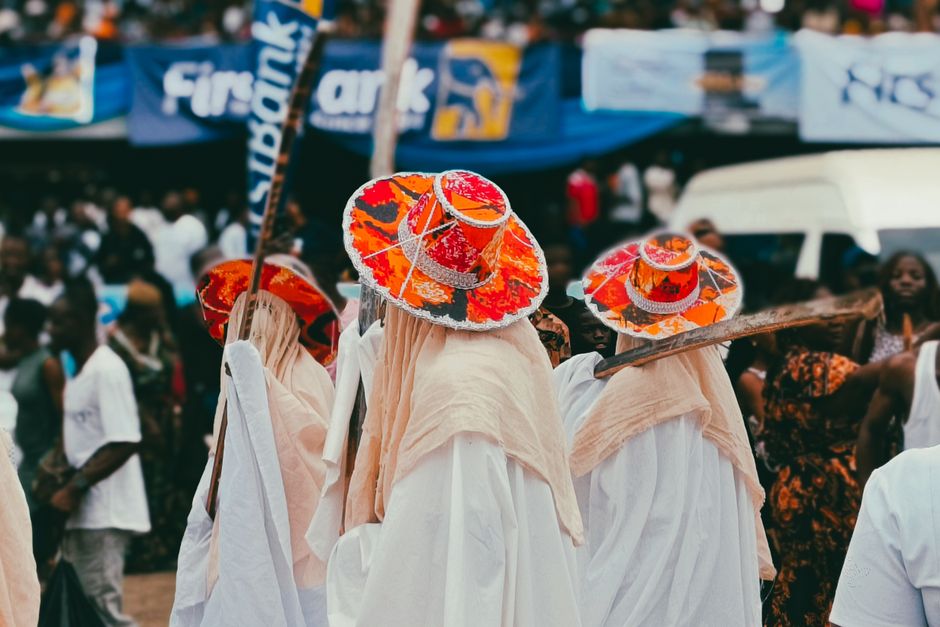
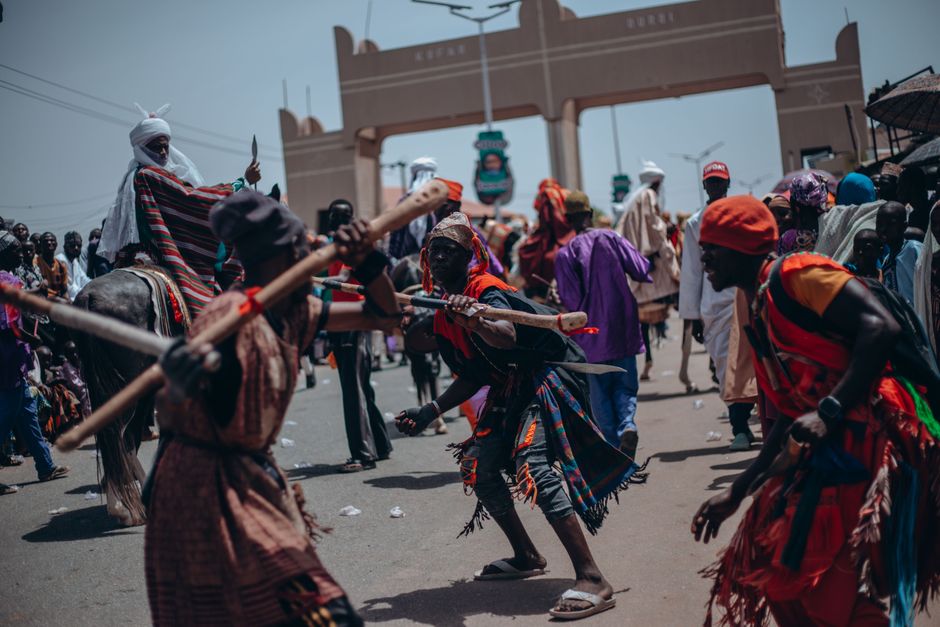
West Africa is a region brimming with cultural richness and historical depth, offering travelers a vivid tapestry of traditions, music, and art. For Nigerian readers, exploring West African culture can feel like a journey through a familiar yet diverse landscape. With countries like Nigeria, Ghana, Senegal, and Ivory Coast, each boasting its unique cultural elements, the region is a treasure trove for those eager to dive into its depths.
Whether it's the rhythmic beat of the talking drum, the colorful display of Kente cloth, or the intricate dance steps of traditional ceremonies, West Africa's cultural offerings are both captivating and enlightening. As we delve into this fascinating region, we aim to uncover the stories, customs, and artistic expressions that make West Africa a cultural powerhouse.
So, pack your cultural curiosity, and let's embark on an adventure through the heart of West Africa, where every village has a story, and every festival is a celebration of life.
Historical Overview of West African Culture
The Origins: Ancient Kingdoms and Empires
West Africa's cultural history is deeply intertwined with the rise and fall of ancient kingdoms and empires. The Ghana Empire, Mali Empire, and Songhai Empire were significant political and cultural forces that shaped the region's history. These empires were known for their wealth, trade networks, and vibrant cultural exchanges.
The Mali Empire, for instance, was renowned for its scholars and the legendary city of Timbuktu, a center for learning and culture. The influence of these empires is still evident in the region's art, architecture, and social structures.
Colonial Impact and Resistance
The colonial period brought significant changes to West African cultures. European powers such as the British, French, and Portuguese colonized the region, imposing new political structures and cultural influences. However, West Africans resisted and adapted, preserving their cultural identities while integrating new elements.
The struggle for independence in the 20th century further fueled a cultural renaissance, as countries sought to reclaim and celebrate their heritage. This period saw the rise of influential cultural figures and movements that championed African identity and pride.
Music: The Heartbeat of West Africa
The Rhythms of Tradition
Music is an integral part of West African culture, deeply rooted in the traditions and daily lives of its people. Traditional music varies across regions, with instruments like the djembe, kora, and talking drum playing central roles. These instruments are not just tools for creating music; they are vessels of history and storytelling.
In Nigeria, the Yoruba talking drum, known for its ability to mimic speech, is used in ceremonial events and religious practices. In contrast, the kora, with its melodious harp-like sound, is a staple in Mandinka music from countries like Mali and Senegal.
Contemporary Vibrations: Afrobeats and Beyond
West African music has taken the global stage with genres like Afrobeats, which blends traditional sounds with modern beats. Nigerian artists such as Burna Boy, Wizkid, and Yemi Alade have garnered international acclaim, propelling West African music into the limelight.
These contemporary sounds celebrate African heritage while embracing global influences, making them a favorite for both African and international audiences. The fusion of traditional and modern elements in West African music illustrates the region's dynamic cultural evolution.
Art and Craftsmanship: A Canvas of Cultural Expression
Traditional Art Forms
West African art is a rich blend of traditional and contemporary styles, with each region adding its distinct flavor. The region is renowned for its sculpture, masks, and textiles, which often hold spiritual and symbolic significance.
"Art in West Africa is not just a form of expression; it is a way of life that reflects community values, beliefs, and history."
Nigerian Nok sculptures, Ghanaian Kente cloth, and the colorful Fulani hats are just a few examples of the diverse artistic traditions that contribute to the rich cultural tapestry of West Africa.
Modern Art Movements
Contemporary West African artists are gaining international recognition for their innovative work. Artists like El Anatsui from Ghana and Yinka Shonibare from Nigeria have made waves in the global art scene, challenging perceptions and exploring themes of identity and globalization.
The modern art movement in West Africa is vibrant and continually evolving, drawing inspiration from traditional practices while pushing creative boundaries.
Festivals: Celebrations of Life and Heritage
Cultural Festivals Across the Region
West Africa is home to a myriad of festivals, each a vibrant celebration of cultural heritage and communal identity. Events like the Osun-Osogbo Festival in Nigeria, the Panafest in Ghana, and the Festival of Masks in Ivory Coast offer visitors a unique glimpse into the region's rich traditions.
"West African festivals are a tapestry of color, music, and dance, bringing communities together in joyous celebration."
These festivals often feature traditional music, dance, and rituals, providing a platform for cultural exchange and preservation.
Religious Celebrations
In addition to cultural festivals, religious celebrations play a significant role in West African societies. Islamic and Christian festivals, such as Eid al-Fitr and Christmas, are widely celebrated, reflecting the region's religious diversity.
The coexistence of traditional, Islamic, and Christian practices highlights the cultural pluralism that defines West African societies.
Cuisine: A Culinary Journey Through West Africa
Traditional Dishes and Ingredients
West African cuisine is a delightful fusion of flavors, spices, and ingredients that vary significantly across the region. Staples like rice, millet, and yams are often paired with rich, aromatic sauces and stews.
Nigerian Jollof rice, Ghanaian fufu, and Senegalese thieboudienne are just a few examples of the region's culinary diversity. These dishes are not only delicious but also carry cultural significance, often prepared and shared during communal gatherings.
Influence of Global Cuisines
The influence of global cuisines is evident in West African cooking, with colonization and trade introducing new ingredients and techniques. Today, West African chefs blend traditional recipes with modern twists, creating unique and innovative dishes that cater to diverse palates.
This culinary creativity reflects the dynamic nature of West African culture, where tradition and innovation coexist harmoniously.
Conclusion
West Africa is a region rich in cultural heritage, where history, art, music, and cuisine weave a complex and beautiful tapestry. For Nigerian readers, exploring this cultural wealth offers not only a sense of pride but also an opportunity to connect with a broader African identity.
From the bustling markets of Lagos to the serene landscapes of Senegal, West Africa invites travelers to immerse themselves in its vibrant cultures. As we celebrate and preserve these traditions, we honor the resilience and creativity that define the West African spirit.
So, whether you're planning a trip to discover new cultural experiences or seeking inspiration from afar, West Africa is a treasure trove waiting to be explored and cherished.