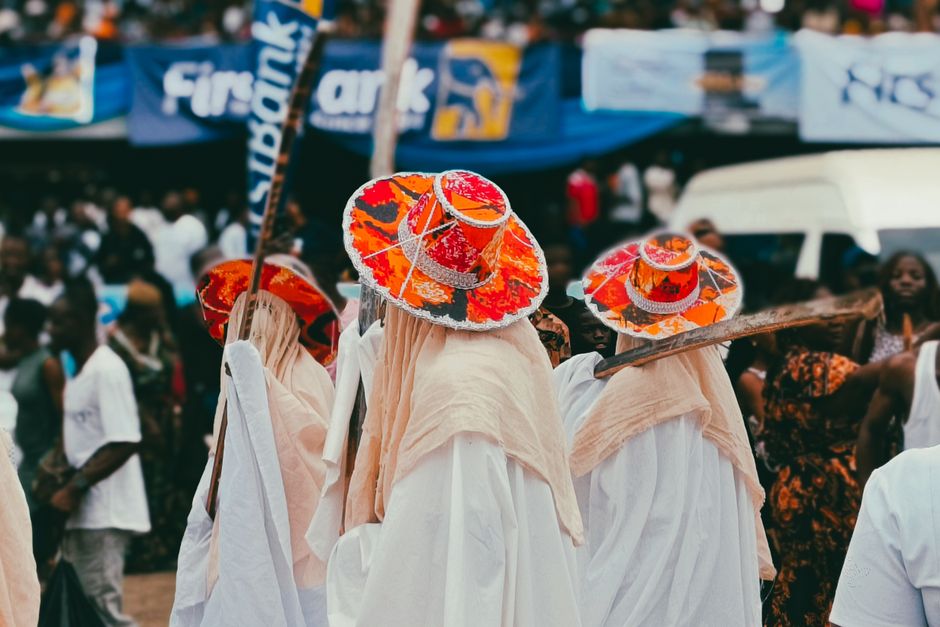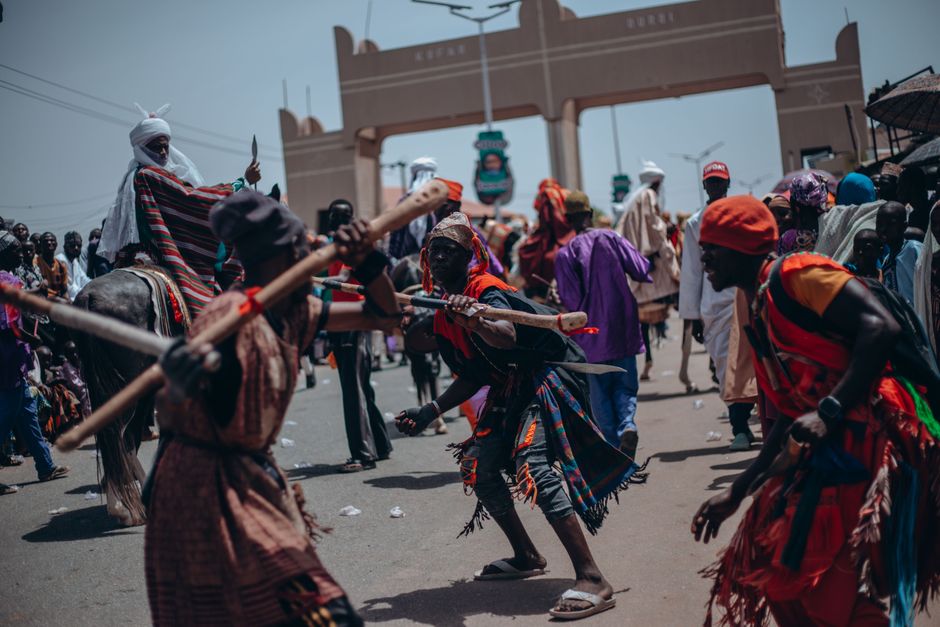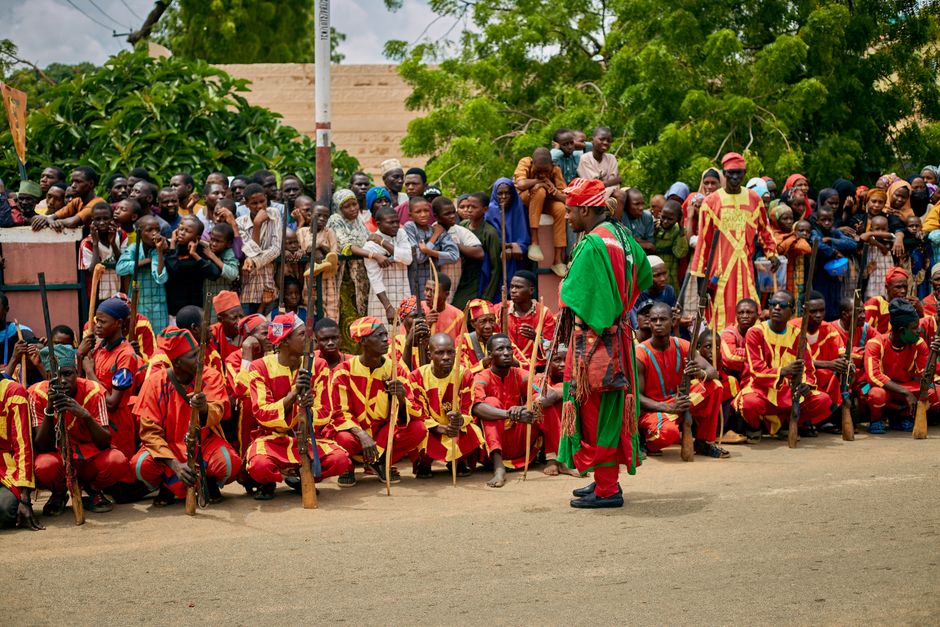
From the bustling streets of Lagos to the serene landscapes of the Niger Delta, Nigeria is a country that pulses with life and color. For the seasoned traveler or the curious novice, understanding Nigerian culture is pivotal in appreciating the intricate tapestry that defines this West African giant. Nigeria's cultural landscape is as varied as its topography, offering an alluring blend of traditions, languages, and festivals that captivate the heart and soul.
Join me on a journey through Nigeria's rich cultural heritage. As we traverse the vast plains of this nation, we'll uncover the vibrant undercurrents of traditions that have been passed down through generations, and explore how they have shaped the modern Nigerian identity. Whether you're planning a visit or simply eager to learn more, this exploration will provide you with a deeper understanding of the enchanting charm that Nigeria holds.
The Diversity of Nigerian Tribes
Major Ethnic Groups
Nigeria is home to over 250 ethnic groups, each with its own unique customs and traditions. Among these, the three largest groups are the Yoruba, Igbo, and Hausa-Fulani.
- Yoruba: Predominantly found in the southwestern part of Nigeria, the Yoruba people are known for their rich history in art and music. Yoruba culture places a strong emphasis on communal living and respect for elders.
- Igbo: The Igbo people, mainly in the southeast, are renowned for their entrepreneurial spirit and vibrant traditions. Their culture is deeply rooted in family and community, with festivities like the New Yam Festival highlighting their agricultural roots.
- Hausa-Fulani: Found in the northern regions, the Hausa-Fulani are known for their deep-seated Islamic traditions. The intricate architecture of their mosques and palaces reflects the profound influence of Islam on their culture.
Smaller Ethnic Groups
Aside from the major ethnic groups, Nigeria's cultural diversity is enriched by numerous smaller tribes such as the Tiv, Kanuri, and Ijaw, each contributing to the nation's cultural mosaic.
Understanding the nuances of Nigeria's ethnic diversity enhances one's appreciation for its cultural complexity.
The Melting Pot of Nigerian Languages
Official Language and Pidgin English
English is the official language of Nigeria, a legacy of colonial times, which facilitates communication across diverse ethnic lines. However, Pidgin English, a creole language, is the true lingua franca, allowing Nigerians from different backgrounds to communicate seamlessly.
Indigenous Languages
Beyond English, Nigeria boasts over 500 indigenous languages. The preservation of these languages is vital for maintaining cultural identity and heritage.
"Language is the roadmap of a culture. It tells you where its people come from and where they are going." - Rita Mae Brown
Festivals and Traditions: A Celebration of Nigerian Life
Cultural Festivals
Nigeria's calendar is dotted with cultural festivals that showcase the country's rich traditions. The Argungu Fishing Festival, Calabar Carnival, and Osun-Osogbo Festival are just a few examples where Nigerians celebrate their heritage with music, dance, and colorful displays.
- Argungu Fishing Festival: Held in Kebbi State, this festival is a lively competition where fishermen use traditional methods to capture the largest fish.
- Calabar Carnival: Often dubbed "Africa's Biggest Street Party," this December event in Cross River State features vibrant parades, street parties, and cultural displays.
- Osun-Osogbo Festival: A two-week celebration in honor of the river goddess Osun, drawing devotees and tourists alike to Osun State.
Traditional Weddings
Nigerian weddings are grand affairs filled with color, music, and food. Each ethnic group has its unique wedding customs, from the Igbo's elaborate bride price ceremonies to the Yoruba's engagement festivities.
The vibrancy of Nigerian festivals reflects the country's joyous spirit and deep-seated traditions.
Nigerian Cuisine: A Taste of Culture
Popular Dishes
Nigerian cuisine is as diverse as its culture, offering a tantalizing array of flavors and textures. Staple foods include jollof rice, pounded yam, and egusi soup, each dish telling its own story.
- Jollof Rice: A beloved West African dish, often served at parties and celebrations, known for its spicy, tomato-based flavor.
- Pounded Yam and Egusi Soup: A staple in many Nigerian homes, this combination is both filling and flavorful.
- Suya: Spicy grilled meat skewers sold by street vendors, popular as a snack or meal.
Street Food Culture
Street food is an integral part of Nigerian life, with vendors offering everything from akara (bean cakes) to puff-puff (fried dough balls) on bustling streets.
Exploring Nigerian cuisine provides a delicious insight into the nation's rich cultural heritage.
Art and Music: Echoes of Nigeria's Soul
Traditional Art
Nigeria's artistic heritage is vast, with each ethnic group contributing unique styles and techniques. Yoruba beadwork, Igbo masks, and Hausa leatherwork are just some examples of the country's artistic diversity.
Modern Music Scene
Nigeria is a powerhouse in the African music scene, with Afrobeat pioneers like Fela Kuti and contemporary stars such as Burna Boy and Tiwa Savage gaining international acclaim.
Music and art are the beating heart of Nigerian culture, echoing the country's vibrant spirit.
Conclusion
Nigeria's cultural landscape is a rich tapestry woven from the threads of diverse traditions, languages, and artistic expressions. As you explore this dynamic nation, you'll discover a world where ancient customs and modern influences coexist in harmony. Embracing the diversity of Nigerian culture not only enriches your travel experience but also offers profound insights into the enduring spirit of the Nigerian people.
Whether you're savoring a plate of jollof rice, dancing at a local festival, or navigating the vibrant markets, Nigeria invites you to experience its cultural heartbeat. So pack your bags, immerse yourself in the richness of Nigerian culture, and let the journey transform you.