The Yoruba culture is a tapestry of vibrant traditions, intricate history, and profound spirituality. Originating from Western Nigeria, the Yoruba people have a rich cultural heritage that captivates anyone interested in African traditions. Whether you are drawn by their lively festivals, traditional attire, or intricate artworks, the Yoruba offer a window into the soul of West Africa.
For Nigerian readers, exploring Yoruba culture is not just about dipping into an ancient civilization but also about understanding a key part of Nigeria's diverse identity. Imagine walking through the bustling streets of Lagos, where the echoes of Yoruba language and music blend with the modern buzz of the city. It’s a fascinating journey that connects the past with the present.
In this article, we delve deep into the cultural elements that make the Yoruba people unique, offering a guide through their traditions, beliefs, and the vibrant festivals that define their communal life. Let’s embark on this cultural odyssey together!
The Origins and History of the Yoruba People
The Yoruba people are one of the largest ethnic groups in Africa, with a population of over 40 million spread across Nigeria and beyond. Their history is a rich tapestry woven with tales of ancient kingdoms and remarkable leaders.
The Yoruba Kingdoms
The history of the Yoruba people is marked by the establishment of powerful kingdoms like Ife and Oyo. These kingdoms are known for their sophisticated governance structures and thriving trade networks.
- Ile-Ife: Considered the spiritual heart of the Yoruba people, Ile-Ife is believed to be the cradle of civilization for the Yoruba. The city is rich with mythology and known for its traditional art forms.
- Oyo Empire: The Oyo Empire was a formidable force in West Africa, known for its military prowess and political influence. It played a significant role in regional trade and politics.
Influence and Migration
Over the centuries, the Yoruba have migrated and spread their influence across West Africa and the diaspora. This migration has enriched their culture, incorporating diverse elements while maintaining core traditions.
"The Yoruba culture is a living testament to the resilience and adaptability of its people, reflecting a harmonious blend of ancient traditions and modern influences."
The Vibrant Festivals of the Yoruba
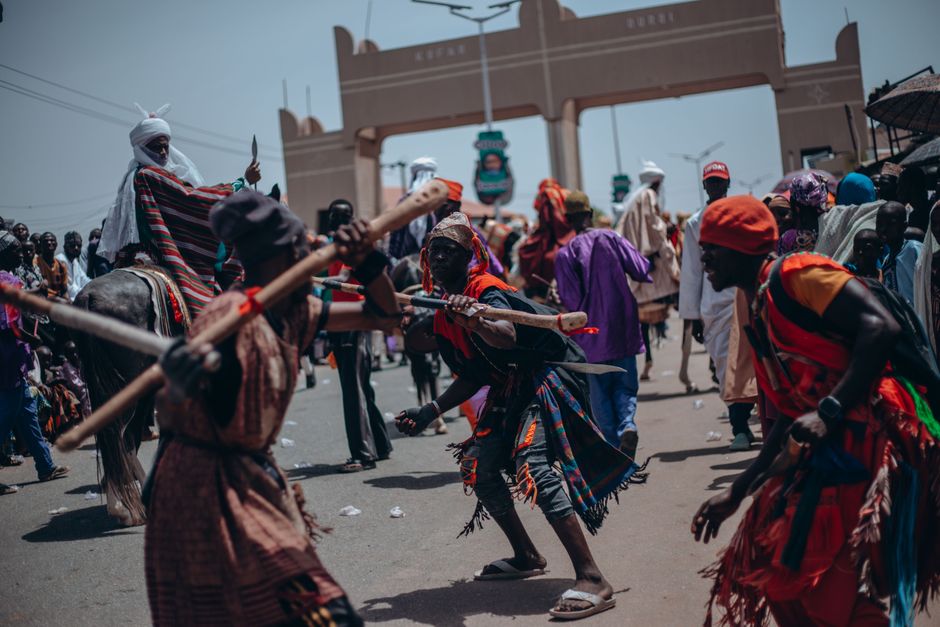
Festivals are an integral part of Yoruba culture, serving as a medium for storytelling, spiritual expression, and community bonding. These colorful celebrations offer a fascinating glimpse into the Yoruba way of life.
Eyo Festival
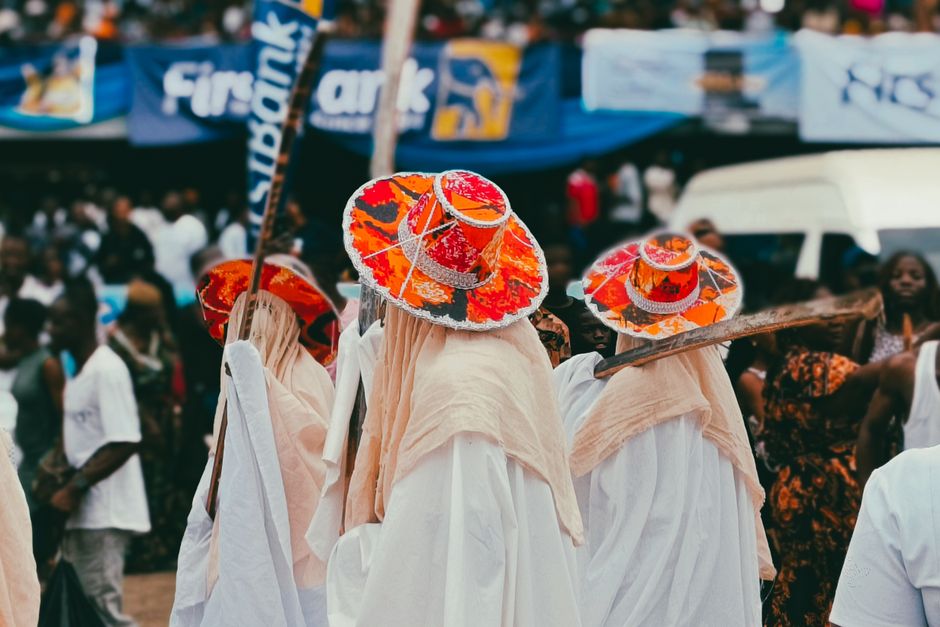
The Eyo Festival, native to Lagos, is a spectacular event that transforms the city with a sea of white-clad masqueraders parading the streets. It’s a festival that celebrates the life of the departed and honors deities with music, dance, and traditional costumes.
Osun-Osogbo Festival
This UNESCO-recognized festival, held annually in Osogbo, is a celebration of the Osun River goddess, symbolizing purity and fertility. The festival is marked by sacred rites, music, and dance performances, attracting devotees and tourists alike.
Egungun Festival
The Egungun Festival honors the ancestors, with masked dancers performing to connect with the spiritual realm. This vibrant festival is a crucial part of the Yoruba’s spiritual and ceremonial calendar.
Art and Craftsmanship: The Soul of Yoruba Aesthetics
Yoruba art is renowned for its beauty and complexity, serving as a visual representation of their culture, beliefs, and traditions. The artistry of the Yoruba extends from sculpture and pottery to textile design and beadwork.
Sculpture and Carving
The Yoruba are famous for their wooden sculptures and intricate carvings, often depicting gods, ancestors, and historical figures. These artworks are not just decorative but imbued with spiritual significance.
Textiles and Beadwork
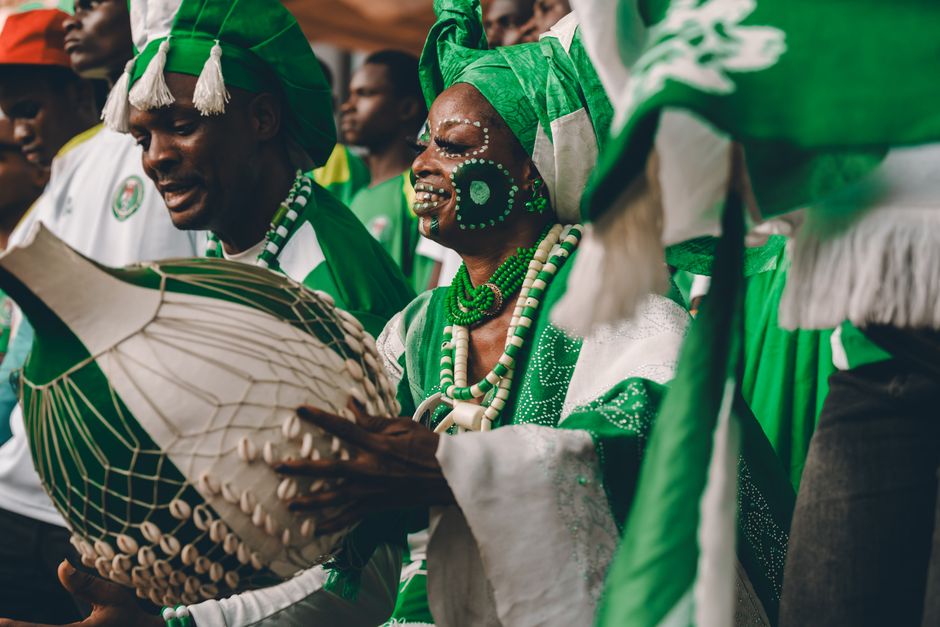
The vibrant textiles of the Yoruba, such as Aso-Oke, are celebrated for their intricate patterns and vibrant colors. Beadwork is another essential art form, seen in jewelry and ceremonial garments, reflecting status and identity.
Yoruba Religion and Spirituality
The Yoruba religion is a complex belief system that has influenced many other spiritual practices around the world. It is characterized by a pantheon of gods known as Orishas, ancestral worship, and a deep connection to nature.
Orishas: The Deities
The Yoruba pantheon comprises numerous deities, each governing different aspects of life and nature. Key Orishas include Sango, the god of thunder, and Ogun, the god of iron and war.
The Role of Ancestral Worship
Ancestral worship is central to Yoruba spirituality, with rituals and ceremonies aimed at honoring the spirits of departed ancestors, who are believed to influence the living.
"Yoruba spirituality is a deep reflection of the people's connection to their roots, the natural world, and the universe at large."
Influence on Other Religions
The Yoruba religion has significantly influenced other spiritual practices, including Santería in Cuba and Candomblé in Brazil, demonstrating its far-reaching impact.
Conclusion
The Yoruba culture is a profound blend of history, art, spirituality, and tradition. Exploring this culture offers not only a glimpse into the past but a deep appreciation for the diverse cultural tapestry of Nigeria. Whether you are participating in a Yoruba festival, admiring their art, or understanding their religious philosophy, you are engaging with a vibrant heritage that continues to thrive and inspire. As you delve into the world of the Yoruba, you'll discover that it's not just a culture but a way of life that reflects the essence of West Africa.