Nigeria, often regarded as the 'Giant of Africa', is a treasure trove of diverse cultures and traditions. With over 250 ethnic groups, this West African nation offers a rich tapestry of customs, languages, and art forms that capture the essence of African heritage. For Nigerian readers, understanding and appreciating this cultural diversity can instill a sense of pride and deepen the connection to their roots. From the rhythmic beats of traditional music to the vibrant splendor of festivals, Nigeria's cultural landscape is a fascinating journey waiting to be explored.
In this article, we'll delve into the heart of Nigerian culture, highlighting key aspects such as traditional attire, culinary delights, music and dance, art, and festivals. Whether you're planning a trip to explore these cultural gems or simply looking to enrich your understanding of Nigerian heritage, this guide will serve as your compass.
So, grab a cup of Zobo or a plate of Jollof rice as we embark on this cultural exploration of Nigeria, celebrating the vibrant pulse that makes it uniquely African.
The Vibrant World of Nigerian Traditional Attire
Significance of Traditional Clothing
Traditional attire in Nigeria is more than just clothing; it is a statement of identity and heritage. Each piece of clothing reflects the rich history and cultural values of the ethnic groups that call Nigeria home. Nigerians wear their traditional attire with pride, showcasing their unique styles during festivals, weddings, and everyday life.
Yoruba, Igbo, and Hausa are some of the major ethnic groups whose traditional attires are widely recognized. The Yoruba's 'Aso Oke' is renowned for its intricate designs and vibrant colors, often worn during important ceremonies. The Igbo's 'Isiagu' shirt, adorned with lion motifs, symbolizes strength and royalty. Meanwhile, the Hausa's 'Babban Riga' with its flowing elegance is an epitome of Northern Nigerian fashion.
"Traditional attire is an expression of our identity and a bridge connecting us to our ancestors." - Nigerian Cultural Advocate
Modern Adaptations
While traditional attire holds a significant place in Nigerian culture, there's also a contemporary twist as designers blend modern fashion with traditional elements. This fusion creates a dynamic fashion scene that resonates with both the young and old, making traditional wear relevant in today's world.
- Incorporating Western fabrics and styles into traditional designs.
- Creating versatile pieces that can be worn for both formal and casual occasions.
- Promoting Nigerian fashion on international runways.
Nigerian Cuisine: A Culinary Adventure
Staple Foods and Delicacies
Nigerian cuisine is a reflection of its cultural diversity, offering a wide range of flavors that tantalize the taste buds. Staples such as rice, yams, and cassava form the basis of many Nigerian dishes, often accompanied by spicy stews and soups made from a variety of local ingredients.
One cannot speak of Nigerian cuisine without mentioning Jollof rice, a beloved dish that has sparked friendly rivalries among West African countries. Each region boasts its own version, but the Nigerian Jollof is celebrated for its rich tomato base and aromatic spices.
Street Food and Local Favorites
Nigerian street food is an adventure in itself, offering affordable and delicious options for those on the go. From Suya, the spicy grilled meat skewer, to Akara, the deep-fried bean cake, these local favorites are a must-try for anyone visiting Nigeria.
- Experience the tangy flavors of Puff-Puff, a popular Nigerian snack.
- Indulge in Boli, roasted plantains served with peppery sauce.
- Taste Efo Riro, a rich vegetable stew enjoyed by the Yoruba people.
Music and Dance: The Heartbeat of Nigeria
Traditional Rhythms and Instruments
Nigerian music is a tapestry of sounds that reflect the country's rich cultural heritage. Traditional music is characterized by its rhythmic beats and use of indigenous instruments such as the talking drum, kora, and shekere. These instruments, combined with vibrant dance movements, bring Nigerian stories and folklore to life.
"Music is the soul of Nigerian culture, a unifying force that transcends ethnic boundaries." - Nigerian Music Historian
Afrobeats: Nigeria's Global Musical Influence
In recent years, Nigeria has become a powerhouse in the global music industry, thanks to the rise of Afrobeats. This genre, blending traditional African sounds with contemporary beats, has taken the world by storm, gaining international acclaim and influencing global music trends.
- Discover artists like Burna Boy, Tiwa Savage, and Wizkid who are at the forefront of this movement.
- Explore how Nigerian artists are using music to address social issues and inspire change.
- Experience the electrifying energy of Nigerian concerts and festivals celebrating Afrobeats.
Nigerian Art: A Canvas of Expression
Traditional and Contemporary Art Forms
Nigerian art is a vibrant expression of creativity and cultural identity. From ancient sculptures and masks to contemporary paintings and installations, Nigerian artists draw inspiration from their surroundings and heritage.
The Nok terracotta sculptures, dating back to 1000 BC, are some of the earliest examples of Nigerian art, showcasing intricate craftsmanship. In modern times, artists like Ben Enwonwu and Nike Davies-Okundaye have gained international recognition for their unique styles and contributions to the art world.
The Role of Art in Society
Art in Nigeria is not just for aesthetic appreciation; it plays a vital role in societal discourse. Artists use their work to comment on social issues, celebrate cultural heritage, and inspire change.
- Explore the vibrant art scenes in cities like Lagos and Abuja.
- Visit art galleries and museums showcasing traditional and contemporary works.
- Participate in art workshops and cultural events to experience Nigerian creativity firsthand.
Cultural Festivals: Celebrating Nigerian Heritage
Major Festivals and Their Significance
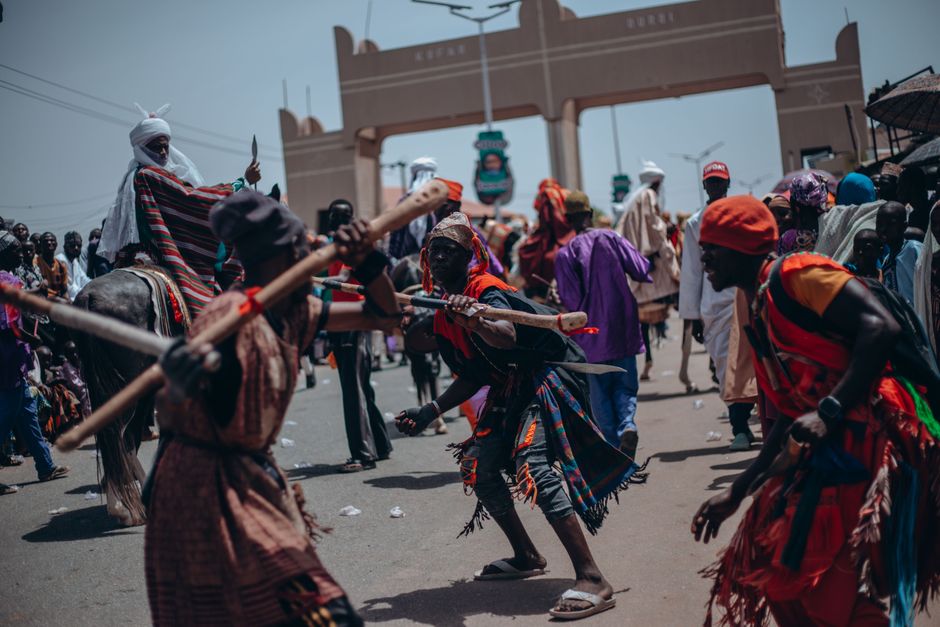
Nigerian festivals are a celebration of culture, community, and tradition. These vibrant events bring people together, offering a glimpse into the diverse customs and rituals that define Nigerian society.
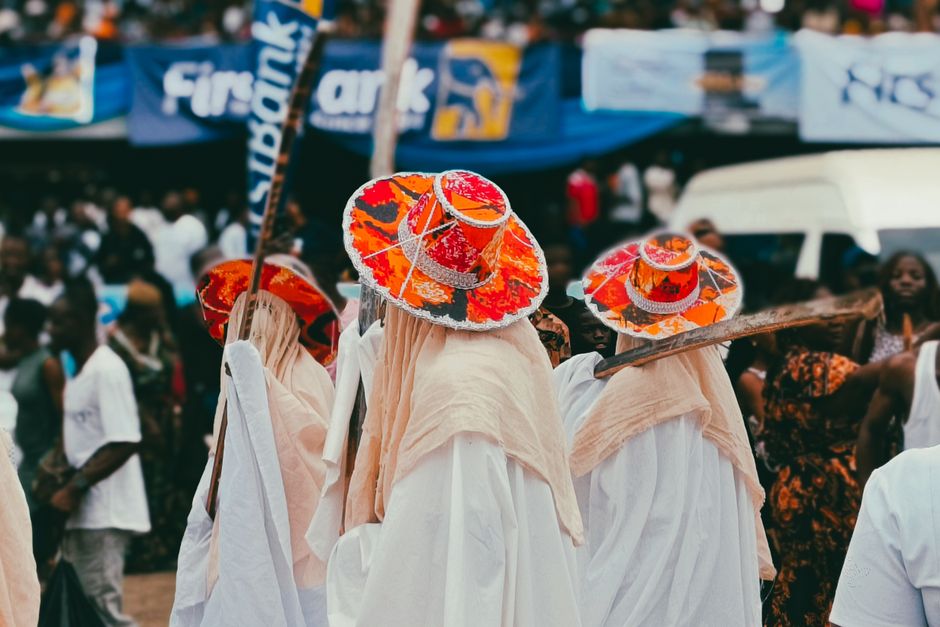
The Argungu Fishing Festival, held in Kebbi State, is a UNESCO-recognized event that celebrates fishing and agricultural traditions. Meanwhile, the Eyo Festival in Lagos is a grand procession honoring the Yoruba deity Orisa, featuring colorful masquerades and traditional music.
Experiencing Festivals as a Visitor
Attending a Nigerian festival is an immersive experience that offers insight into the country's rich cultural tapestry.
- Plan your visit around festival dates to experience the vibrant atmosphere.
- Engage with locals and learn about the stories behind each festival.
- Capture the essence of Nigerian festivals through photography and storytelling.
Conclusion
Nigeria's cultural landscape is a rich and colorful tapestry that offers endless opportunities for exploration and discovery. From traditional attire and delectable cuisine to rhythmic music and captivating art, each aspect of Nigerian culture tells a story of heritage, identity, and community. For Nigerian readers, embracing and celebrating this cultural diversity is a journey of pride and connection to their roots. Whether you're a local or a visitor, Nigeria's vibrant pulse will leave an indelible mark on your heart, inviting you to return and experience its cultural wonders time and again.