Nigeria, often referred to as the 'Giant of Africa', is not only renowned for its vast population and booming economy but also for the rich tapestry of cultures that thrive within its borders. With over 250 ethnic groups, each boasting unique traditions, languages, and histories, Nigeria presents a captivating mosaic of cultural experiences. From the bustling markets of Lagos to the serene landscapes of the Niger Delta, Nigerian culture offers something for every curious traveler.
In this article, we delve into the diverse cultural landscape of Nigeria, highlighting key ethnic groups and their contributions to the nation's vibrant heritage. As we journey through the traditions, festivals, and artistic expressions of the Yoruba, Igbo, and Hausa-Fulani, you will gain a deeper appreciation for the cultural richness that makes Nigeria a top destination for cultural tourism.
The Yoruba: Masters of Festivals and Arts
The Yoruba people, predominantly found in Southwest Nigeria, are known for their elaborate festivals and deep-seated artistic traditions. Yoruba culture is a blend of spirituality, art, and community celebration, offering travelers a unique opportunity to partake in their vibrant expressions of culture.
Yoruba Festivals
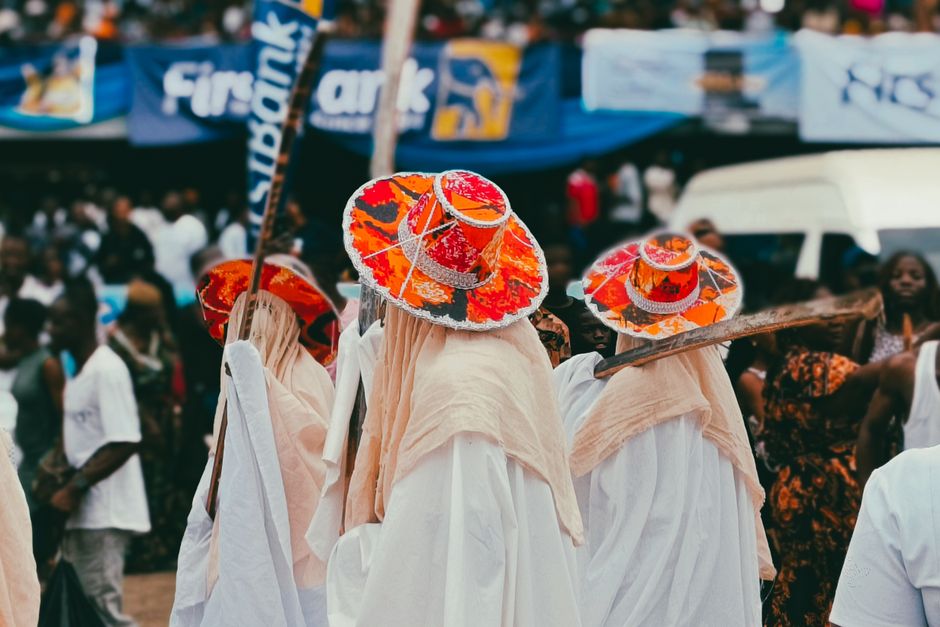
- Eyo Festival: Known as the heart of Lagos, the Eyo Festival features a procession of costumed dancers celebrating the spirit of the Lagos State.
- Osun-Osogbo Festival: This UNESCO-recognized event attracts thousands of worshippers and tourists to the sacred Osun River to honor the goddess Osun.
Attending these festivals offers a firsthand look at the Yoruba people's reverence for their deities and their vibrant social life.
Yoruba Art and Craft
The Yoruba are also renowned for their intricate beadwork, sculptures, and textiles. Their art often depicts spiritual themes and social commentary, making it a profound part of their cultural identity.
"Yoruba art is not just creation; it's a narrative of existence, spirituality, and community."
The Igbo: Innovators and Traders
Located primarily in the southeastern part of Nigeria, the Igbo people are known for their entrepreneurial spirit and distinctive architectural styles. Their culture revolves around kinship, trade, and innovation, making them a dynamic force in Nigeria's cultural landscape.
Igbo Architecture
Igbo architecture is characterized by its use of thatch and mud in traditional settings, with modern adaptations incorporating concrete and bricks. These structures often feature intricate decorations and are designed to foster community interaction.
Igbo Festivals
- New Yam Festival: Celebrated in August, this festival marks the end of the farming season and the beginning of a new harvest, showcasing the Igbo's agricultural roots.
- Mmanwu Festival: This masquerade festival features elaborate costumes and performances that are both entertaining and spiritually significant.
The Hausa-Fulani: A Legacy of Tradition and Trade
The Hausa-Fulani, primarily in northern Nigeria, are known for their deep-rooted Islamic traditions and expansive trade networks. Their culture is a fusion of Islamic practices and ancient local customs, making it an intriguing area for exploration.
Traditional Attire
The Hausa-Fulani are easily recognizable by their traditional attire, with men typically wearing flowing robes known as 'babanriga' and women donning colorful hijabs.
Durbar Festival
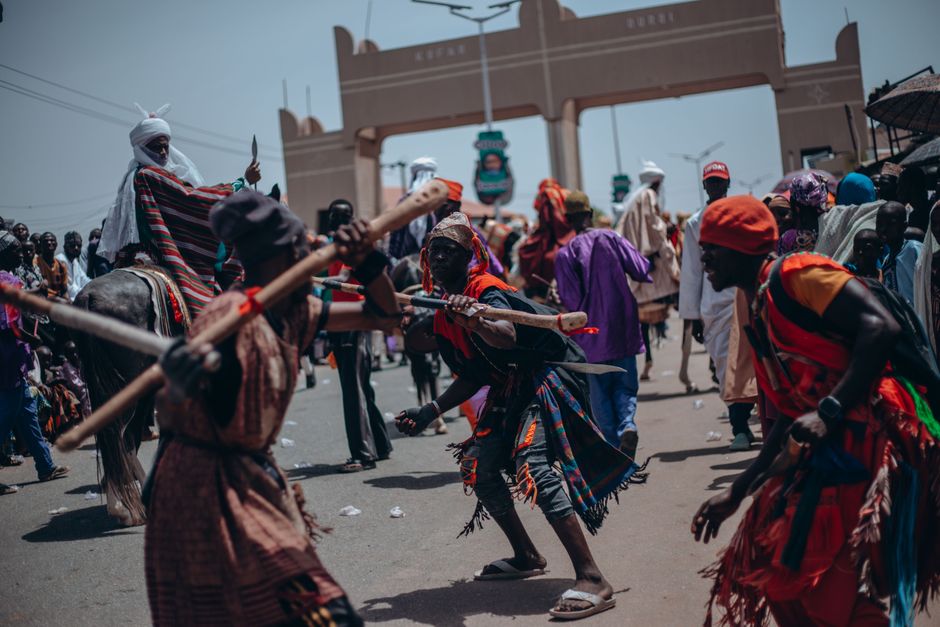
The Durbar Festival, celebrated at the end of Ramadan, is a spectacular display of horsemanship and pageantry, reflecting the historical significance of cavalry in Hausa-Fulani culture.
Modern Nigerian Culture: A Fusion of Tradition and Innovation
While Nigeria's traditional cultures are captivating, the country's modern culture is equally vibrant. Nigerian pop culture, especially its music and film industry, has gained international acclaim, further enriching the nation's cultural offerings.
Nollywood
Nollywood, Nigeria's film industry, is the second-largest globally and produces a wide array of films that reflect both contemporary issues and traditional narratives.
Afrobeats
Nigerian music, particularly Afrobeats, has taken the world by storm. Artists like Burna Boy and Wizkid have put Nigerian sounds on the global map, blending traditional melodies with modern rhythms.
Conclusion
Nigeria's cultural diversity offers a treasure trove of experiences that capture the heart and ignite the imagination. Whether you're drawn to the vibrant festivals, historic architecture, or the pulsating beats of modern Nigerian music, there's something for everyone to discover in this dynamic African nation.
The rich tapestry of Nigerian culture is a testament to the resilience and creativity of its people, making it a must-visit destination for anyone seeking to explore Africa's cultural depth.