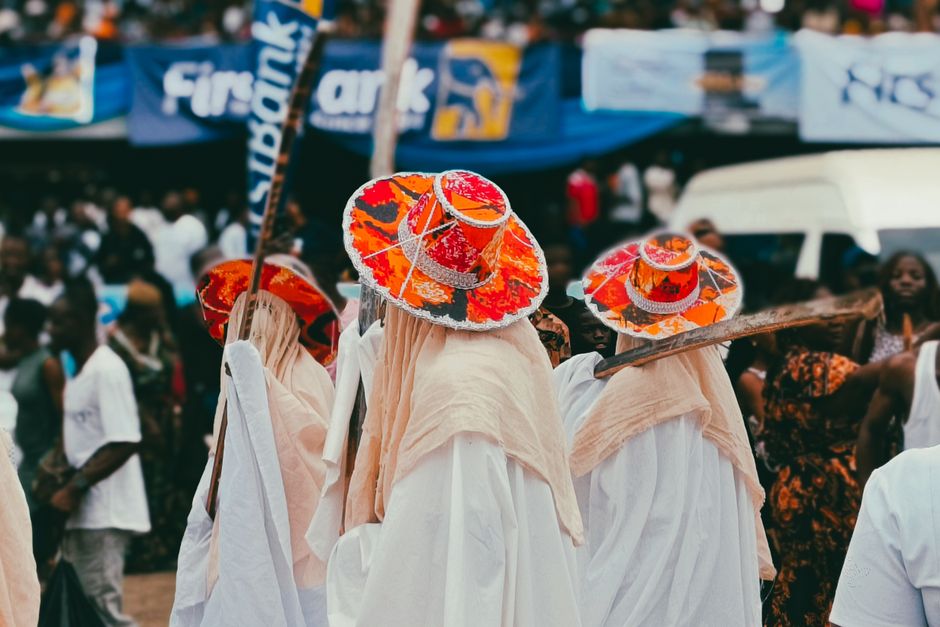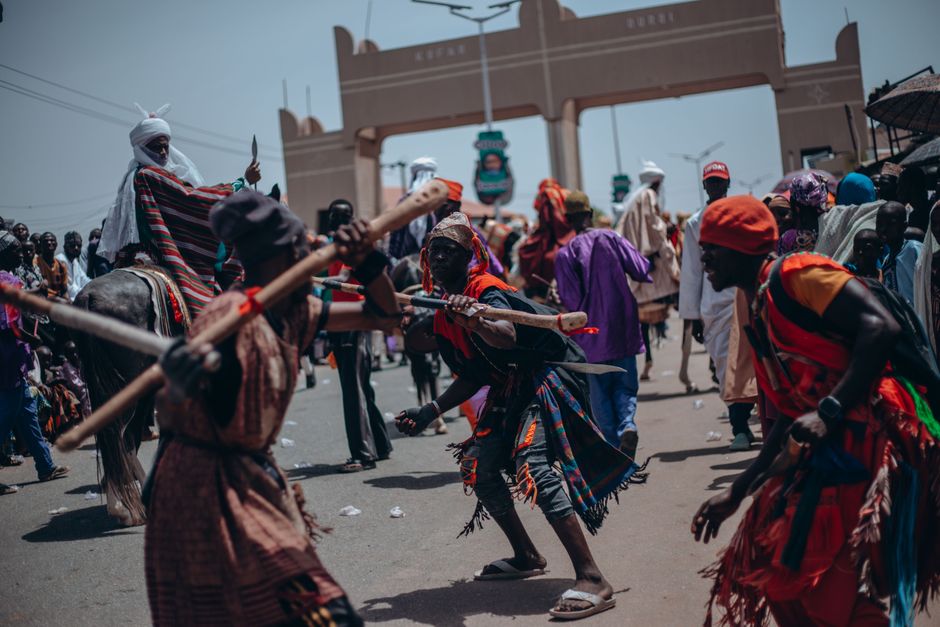
Ghana, often referred to as the 'Gateway to Africa', offers a vibrant tapestry of culture and tradition that captivates travelers from around the world. For Nigerian readers, exploring Ghana's cultural landscape is not only about discovering shared histories and African heritage but also about experiencing the uniqueness that makes Ghana stand out as a cultural epicenter in West Africa. In this article, we journey through Ghana's pulsating cultural heartbeat, providing insights and tips to enrich your travel experiences.
Join us as we delve into the colorful festivals, timeless traditions, and warm hospitality that define Ghana's identity. Whether you are drawn by the rhythmic beats of the talking drums or the mesmerizing Kente cloth, Ghana promises a cultural adventure like no other.
As we embark on this exploration, let's uncover how Ghana's culture serves as a bridge connecting the past with the present, creating an inspiring narrative for all who visit.
The Enchanting Festivals of Ghana
Ghana is home to some of the most vibrant festivals in West Africa, each offering a unique glimpse into the country's rich cultural tapestry.
Homowo Festival - A Celebration of Harvest
The Homowo Festival, celebrated by the Ga people, is a lively event marking the end of a farming season and the beginning of a bountiful harvest. The word 'Homowo' means 'hooting at hunger', and the festival is a time to celebrate prosperity and community.
During this celebration, the streets of Accra come alive with traditional music, dance, and feasting. Families prepare a special dish called 'kpokpoi' made from maize and palm nut soup, shared with friends and relatives. As a Nigerian visitor, you'll find the communal spirit of sharing a familiar and welcoming aspect.
"Homowo encapsulates the spirit of unity and resilience. It's a celebration of overcoming challenges together."
Aboakyer Festival - The Deer Hunt
Observed by the people of Winneba in the Central Region, the Aboakyer Festival is a unique cultural highlight. This festival involves a traditional hunting expedition where two competing groups set out to capture a live deer, which is then presented to the local shrine.
The festival is steeped in tradition, symbolizing the people's gratitude to their gods for a successful year. It is a thrilling event filled with pomp and pageantry, offering visitors a chance to witness an authentic piece of Ghanaian culture.
Ghana's Traditional Arts and Crafts
Ghana's art scene is a vibrant expression of its cultural heritage, capturing the essence of its people through various mediums.
Kente Cloth - Weaving Stories Through Fabric
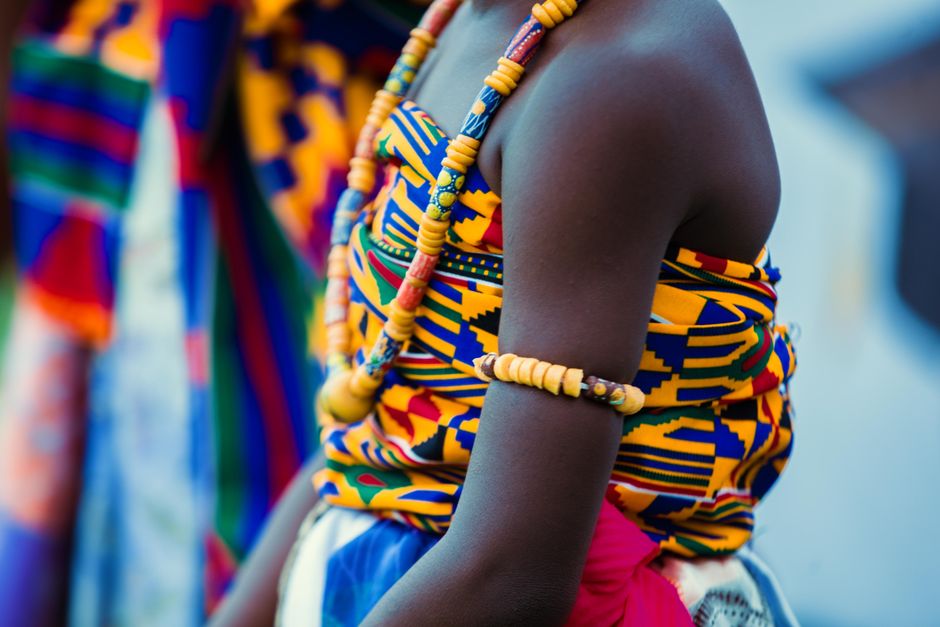
One of the most recognizable symbols of Ghanaian culture is the Kente cloth. Originally from the Ashanti Kingdom, Kente is more than just a fabric; it's a symbol of history, pride, and craftsmanship.
The intricate patterns and vibrant colors tell stories of historical events, proverbs, and philosophical thoughts. Visitors can explore traditional weaving villages like Bonwire and learn about the meticulous process of creating this prestigious cloth.
"Wearing Kente is like wrapping oneself in the stories and legacies of generations past."
Adinkra Symbols - Communicating Through Art
Adinkra symbols are another distinct aspect of Ghanaian art, often found on clothing, pottery, and architecture. These symbols carry specific meanings and are used to convey messages of wisdom, values, and guidance.
Visitors can participate in workshops to learn more about the significance of these symbols and even create their own Adinkra-stamped items, making for a meaningful souvenir.
The Culinary Delights of Ghana
Food is an integral part of Ghanaian culture, with flavors and dishes that reflect the diversity of its people.
Jollof Rice - A West African Staple
No exploration of Ghanaian culture is complete without tasting Jollof rice, a beloved dish that sparks friendly rivalry with Nigeria over its origins and taste.
Each country claims to have the best version, but in Ghana, Jollof is prepared with a distinct blend of spices and ingredients, offering a unique taste that every traveler should experience.
"Jollof rice is more than just food; it's a culinary heritage that binds West Africa together."
Waakye - A Breakfast Tradition
Waakye, a popular street food made from rice and beans, is a staple breakfast dish in Ghana. Often served with a variety of sides like boiled eggs, fried plantains, and spicy pepper sauce, it's a hearty meal that fuels your day of exploration.
Experiencing Waakye in a bustling market setting gives visitors a taste of everyday Ghanaian life and hospitality.
Experiencing Ghanaian Hospitality
Ghana is renowned for its warm hospitality, often encapsulated in the local phrase 'Akwaaba', meaning welcome.
Staying with Local Families
For a truly immersive experience, consider staying with a local family. Many Ghanaians open their homes to travelers, offering an intimate glimpse into daily life and traditions.
Such experiences allow for cultural exchange, where you can learn local customs, try home-cooked meals, and participate in family gatherings.
"There's nothing quite like Ghanaian hospitality; it's heartfelt and welcoming, making every visitor feel at home."
Participating in Community Activities
Joining community activities, such as volunteering or attending local events, is another way to connect with Ghanaian culture on a deeper level.
These opportunities not only allow you to give back to the communities you visit but also enrich your travel experience by fostering meaningful connections.
Final Thoughts
Ghana's rich culture offers an unforgettable journey that goes beyond sightseeing. It invites you to engage with its traditions, savor its flavors, and connect with its people. For Nigerian travelers, this cultural exploration is a chance to appreciate the shared and unique aspects of West African heritage.
Embrace the rhythms, colors, and stories of Ghana as you create lasting memories in this remarkable corner of Africa. Whether you're attending a vibrant festival, learning the art of Kente weaving, or savoring a plate of Jollof rice, each experience adds a new layer to your understanding of Ghana's cultural tapestry.
So pack your bags, bring an open heart, and set out to discover the heartbeat of West Africa in Ghana.