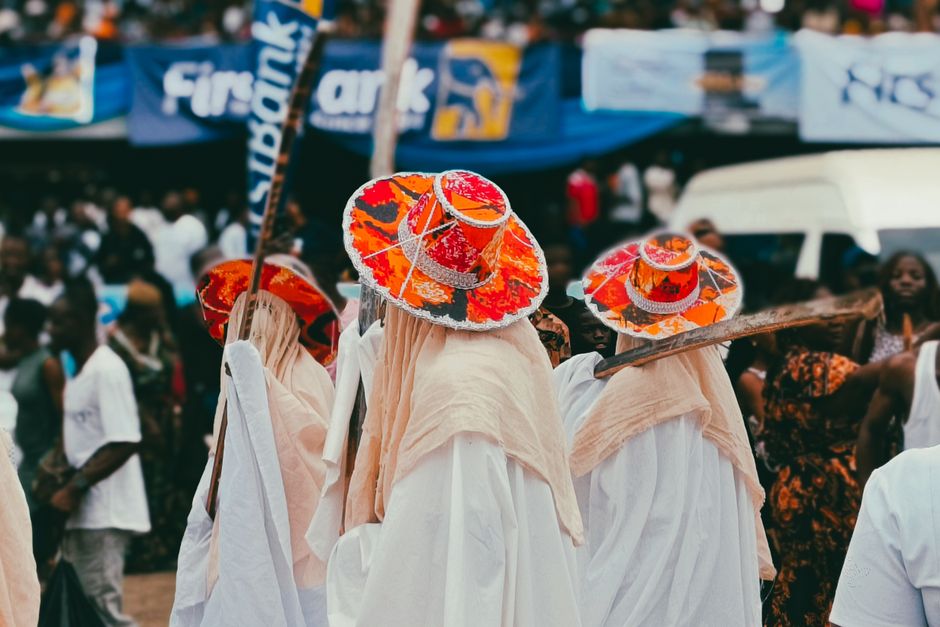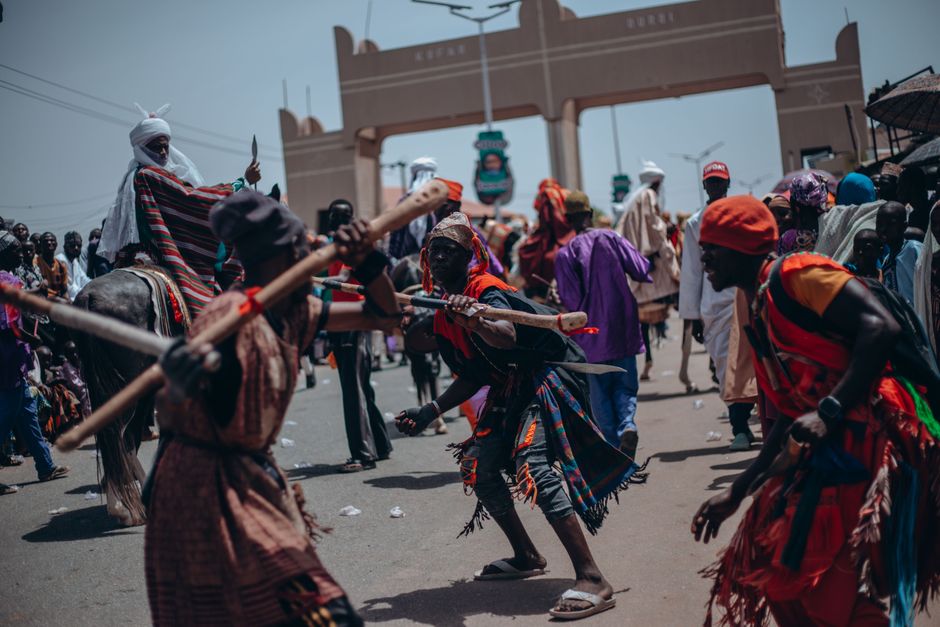
East Africa, a region known for its stunning landscapes and diverse wildlife, is equally captivating with its rich cultural heritage. As you embark on a journey through this vibrant region, you'll encounter a mosaic of languages, traditions, and communities that tell the story of East Africa's unique cultural identity. Whether you're a seasoned traveler or planning your first adventure, understanding the cultural fabric of East Africa will enrich your experience.
In this guide, we will delve into the heart of East African culture, exploring the traditions, languages, and communal spirit that define this vibrant region. From the bustling markets of Nairobi to the serene shores of Zanzibar, East Africa offers a tapestry of experiences that reflect its historical roots and modern vibrancy.
The Cultural Diversity of East Africa
East Africa is home to a plethora of ethnic groups, each with its own distinct traditions and customs. This diversity is a fundamental aspect of the region's identity.
The Maasai of Kenya and Tanzania
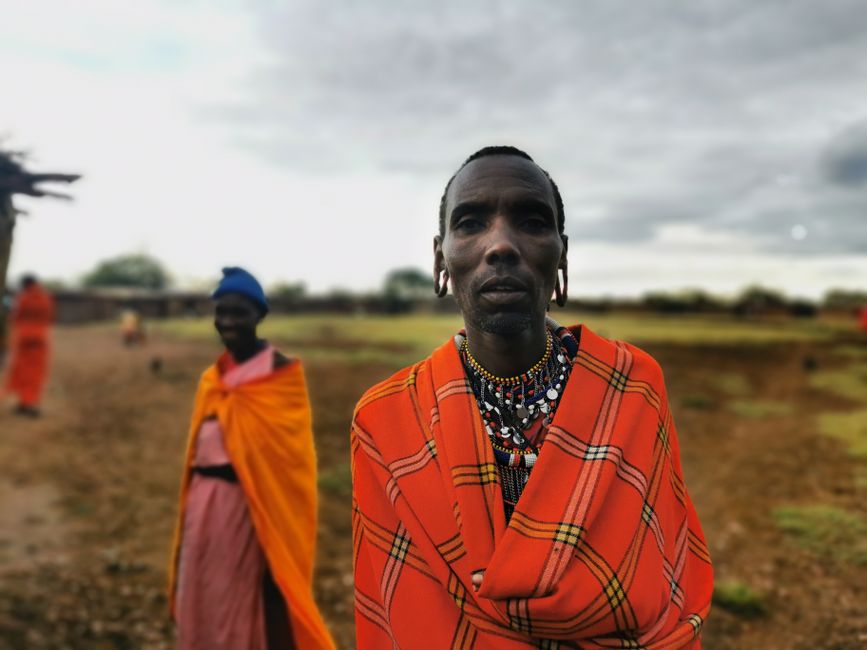
The Maasai people are one of the most recognized ethnic groups in East Africa, known for their vibrant attire and traditional lifestyle. Their culture is deeply intertwined with the land, and they have a rich oral tradition of storytelling.
- Traditional Attire: The Maasai are famous for their colorful shukas and intricate beadwork.
- Community Living: Social structures revolve around communal living and shared responsibilities.
- Ceremonial Practices: Rites of passage such as circumcision and marriage are significant events.
"The Maasai way of life is a testament to the harmonious relationship between humans and nature."
The Swahili Coast
Along the coast, the Swahili culture presents a fascinating blend of African, Arab, and Persian influences, which is evident in the architecture, language, and cuisine.
- Swahili Language: As a lingua franca, Swahili bridges ethnic and national boundaries across East Africa.
- Culinary Traditions: The coastal cuisine features rich flavors with influences from Indian and Middle Eastern spices.
- Historical Sites: Towns like Lamu and Zanzibar are rich in history, with narrow streets and ancient coral stone buildings.
Languages of East Africa
Language plays a crucial role in the cultural identity of East Africa, with Swahili and English being the predominant languages used for communication.
Swahili: The Lingua Franca
Swahili, or Kiswahili, is spoken by millions across East Africa. It serves not only as a means of communication but also as a cultural link between diverse communities.
- Language of Unity: Swahili unites various ethnic groups, fostering a sense of regional identity.
- Swahili Proverbs: These are integral to the language, offering wisdom and insights into cultural values.
English and Indigenous Languages
While English is widely used in education and business, indigenous languages remain vital in preserving cultural heritage.
- Preservation Efforts: Many communities are working to keep their languages alive through cultural programs.
- Language in Daily Life: Indigenous languages are often used in personal and community settings.
Art and Music in East Africa
Art and music are vibrant expressions of East African culture, playing a significant role in festive celebrations and daily life.
Traditional Music and Dance
Music and dance are integral to East African culture, with each ethnic group boasting unique styles that reflect their heritage.
- Instruments: Traditional instruments like the nyatiti and the African drum are central to many performances.
- Cultural Festivals: Events such as the Zanzibar International Film Festival showcase local talent.
Contemporary Art
East Africa has a growing contemporary art scene, with artists drawing inspiration from their cultural backgrounds to create innovative works.
- Art Galleries: Cities like Nairobi and Dar es Salaam have thriving art galleries that feature local artists.
- Fusion Styles: Many artists blend traditional themes with modern techniques.
Religious and Spiritual Beliefs
Religion and spirituality are deeply embedded in the cultural landscape of East Africa, influencing daily life and cultural practices.
Christianity and Islam
The predominant religions in East Africa are Christianity and Islam, each with a significant impact on cultural norms and traditions.
- Places of Worship: Churches and mosques are central to community life, serving as venues for both religious and social activities.
- Interfaith Harmony: Many communities live in harmony, respecting each other's beliefs and practices.
Traditional Beliefs
Alongside major world religions, traditional beliefs continue to play a role in the spiritual life of many East Africans.
- Ancestral Worship: Many communities honor their ancestors through rituals and ceremonies.
- Spiritual Healers: Traditional healers often serve as both healthcare providers and spiritual guides.
Conclusion
Exploring the cultural landscape of East Africa reveals a region rich in diversity, yet unified by shared histories and communal values. As you journey through this captivating region, take the time to engage with local communities, learn their stories, and discover the intricate layers of their cultures. Whether you're wandering through the vibrant streets of Nairobi or relaxing on the pristine beaches of Zanzibar, East Africa offers a cultural experience that is both enriching and unforgettable.