Nigeria, a nation teeming with diverse cultures and traditions, is a treasure trove for any cultural enthusiast. Among its many ethnic groups, the Yoruba people stand out for their rich history, vibrant festivals, and unique traditions. From the bustling streets of Lagos to the serene landscapes of Osun, Yoruba culture permeates everyday life, offering a window into the soul of Nigeria. In this article, we dive deep into the heart of Yoruba culture, unraveling the traditions that have captivated many over the centuries.
Whether you're a traveler seeking to explore West Africa's cultural heritage or a local delving deeper into your roots, understanding the Yoruba way of life is essential. Join us as we explore the key aspects of Yoruba culture, from its distinct language and religious practices to its exquisite art forms and culinary delights.
The Language and Its Influence
The Yoruba language, part of the Niger-Congo language family, is spoken by over 20 million people, not only in Nigeria but also in neighboring countries like Benin and Togo. This makes it one of the most widely spoken African languages on the continent.
A Language Rich in Proverbs
Yoruba is renowned for its use of proverbs, which are deeply embedded in the culture and everyday conversations. These proverbs are often used to convey wisdom and teachings, making the language a vessel for cultural transmission. For instance, the saying "Ile oba t’o jo, ewa lo busi" translates to "A king's palace burnt down, adds beauty," a metaphor for how adversity can lead to positive transformation.
Impact on the Diaspora
The transatlantic slave trade saw many Yoruba people transported to the Americas, where they have maintained their linguistic heritage. In countries like Brazil and Cuba, Yoruba has influenced local dialects and cultural practices, a testament to its enduring legacy.
Festivals and Celebrations
Yoruba festivals offer a glimpse into the vibrant and spiritual life of the people. One of the most famous is the Osun-Osogbo Festival, a celebration that attracts thousands of pilgrims annually to the sacred Osun-Osogbo Sacred Grove, a UNESCO World Heritage site.
The Significance of Osun-Osogbo
This festival, held over two weeks in August, is dedicated to the river goddess Osun. It involves a series of rituals, performances, and ceremonies that underscore the community's spiritual connection to the goddess, who is believed to bestow fertility and protection.
Eyo Festival: A Spectacle of Tradition
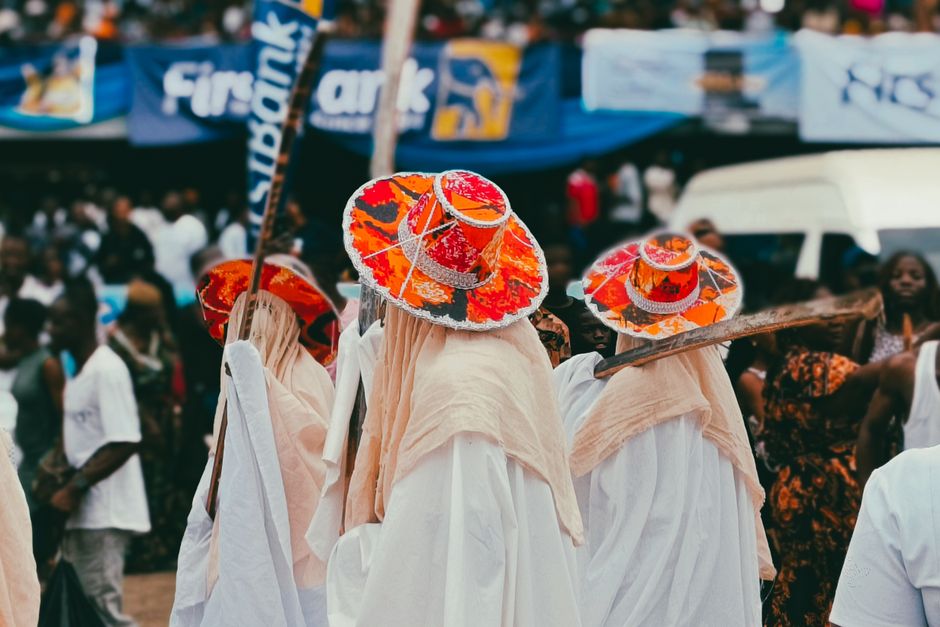
Another notable festival is the Eyo Festival in Lagos. Known for its grand procession where participants called "Eyo" dress in white robes with brightly colored hats, it is often considered a precursor to modern-day carnivals, showcasing the Yoruba people's flair for celebration.
Yoruba Cuisine: A Culinary Journey
No exploration of Yoruba culture is complete without indulging in its cuisine, which is as diverse as it is flavorful. From spicy stews to sumptuous soups, Yoruba food is a feast for the senses.
Essential Yoruba Dishes
- Jollof Rice: A staple across West Africa, Yoruba Jollof rice stands out for its rich tomato base seasoned with thyme and bay leaves.
- Amala and Ewedu: A traditional dish made from yam flour (amala) paired with a viscous jute leaves soup (ewedu) and often served with beef stew or chicken.
- Akara: Deep-fried bean cakes that are a popular street food and breakfast choice.
The Role of Food in Celebrations
Food plays a central role in Yoruba celebrations, often used to mark special occasions and communal gatherings. During weddings and festivals, large feasts are prepared, emphasizing the importance of hospitality in Yoruba culture.
Art and Craftsmanship
Yoruba art is renowned for its intricate designs and symbolic meanings. From traditional textile weaving to contemporary arts, the creative expressions of the Yoruba people are diverse and captivating.
Adire: The Art of Tie and Dye
Adire, a traditional Yoruba textile, is created using resist-dyeing techniques to produce stunning patterns. This craft is still practiced in cities like Abeokuta, where you can witness artisans at work and even try your hand at creating your own designs.
Sculpture and Beadwork
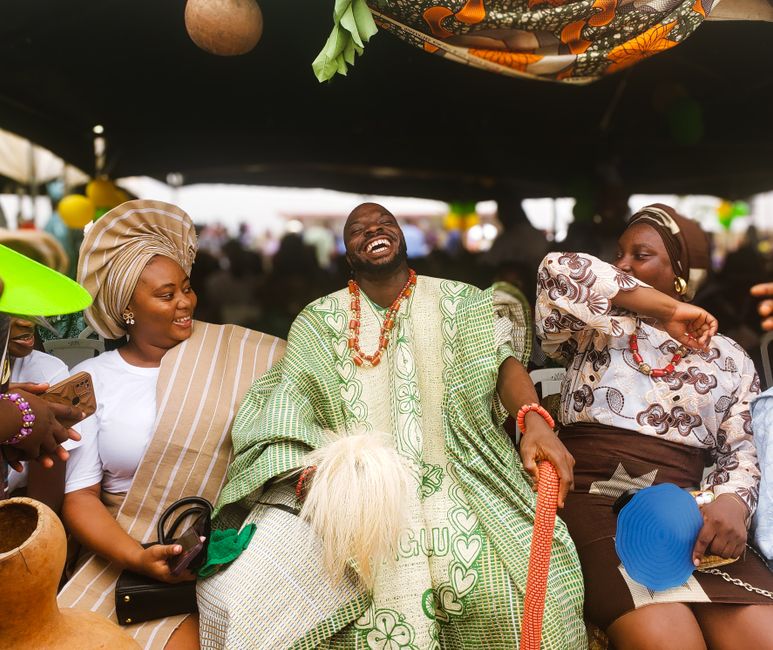
Yoruba sculpture, particularly in wood and bronze, is highly regarded for its craftsmanship. Beadwork also holds cultural significance, with beads used in ceremonies and as symbols of royalty and status.
The Yoruba people's creativity and artistry are celebrated worldwide, influencing numerous art forms globally.
Religion and Spirituality
Yoruba traditional religion, known as Ifá, is an integral part of the culture, with a complex system of deities known as Orisha.
The Role of Ifá Divination
Ifá divination is a complex system used to communicate with the spiritual world, guiding individuals and communities in decision-making. It is a revered practice that underscores the Yoruba's deep connection to spirituality.
Christianity and Islam
Today, most Yoruba people identify as either Christian or Muslim, yet many blend traditional beliefs with these religions, demonstrating the adaptability and resilience of Yoruba spirituality.
Conclusion
The rich tapestry of Yoruba culture is a testament to Nigeria's diverse heritage. From its language and festivals to its cuisine and arts, the Yoruba tradition is a vibrant expression of identity and community. Its influence stretches beyond Nigeria, resonating with people across the globe. Whether you're exploring Yoruba culture for the first time or deepening your understanding, it offers endless opportunities for discovery and connection.