Nigeria, the giant of Africa, is a land bursting with vibrant culture and history that spans centuries. From the bustling markets of Lagos to the serene landscapes of the Jos Plateau, Nigeria is a tapestry of traditions and modernity interwoven to create a unique cultural identity. For Nigerian readers, this exploration of our rich heritage is not just a journey through time, but a rediscovery of who we are.
As we embark on this cultural voyage, we'll delve into the heart of Nigeria's traditions, explore the colorful festivals that bring communities together, and uncover the historical landmarks that speak volumes of our past. So, grab a cup of zobo, sit back, and join us as we uncover the soul of Nigeria.
The Diverse Cultures of Nigeria
Nigeria is home to over 250 ethnic groups, each with its own distinct customs, languages, and traditions. This diversity is what makes our cultural heritage so rich and fascinating.
Yoruba: The Land of Talking Drums
The Yoruba people, predominantly found in the southwestern part of Nigeria, are known for their rich traditions in art, dance, and music. The talking drum, an hourglass-shaped drum, is a cultural icon here, able to mimic the tones of human speech.
"The talking drum is more than an instrument; it's a storyteller, a communicator."
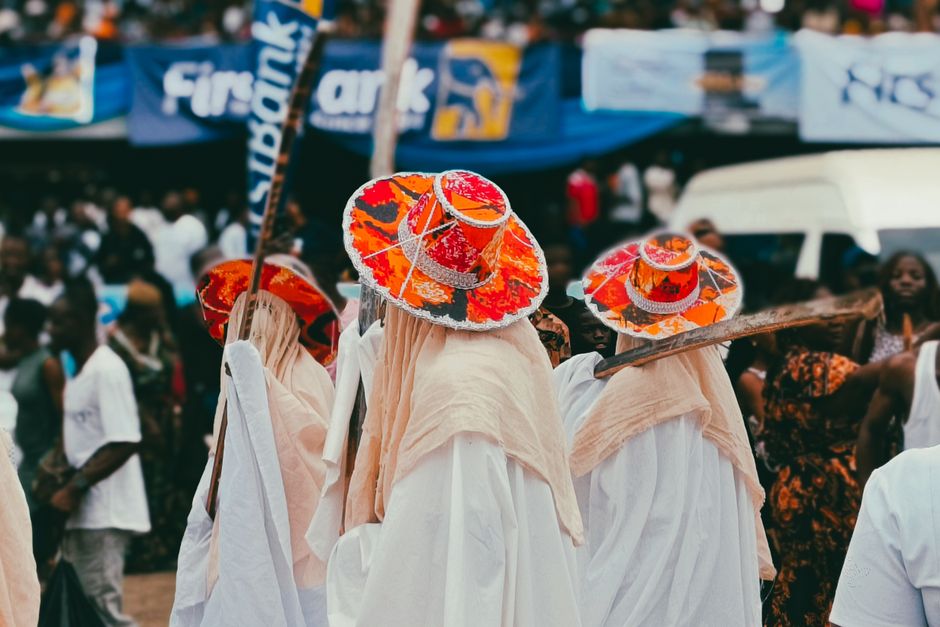
From the famous Eyo Festival in Lagos to the sacred groves of Osun, Yoruba culture is a celebration of life and ancestry.
Igbo: Tradition Meets Modernity
The Igbo people of southeastern Nigeria are renowned for their entrepreneurial spirit and rich traditions. The New Yam Festival, celebrated annually, marks the harvest season and is a colorful display of gratitude and unity.
With the vibrant masquerades and the echoing sounds of the ogene, Igbo culture continues to thrive amidst the waves of modernization.
Festivals That Unite
Nigerian festivals are a beautiful blend of cultural pride and community spirit. They bring people together, transcending tribal lines, and showcasing the unity in diversity.
Durbar Festival: A Cavalry Parade Like No Other
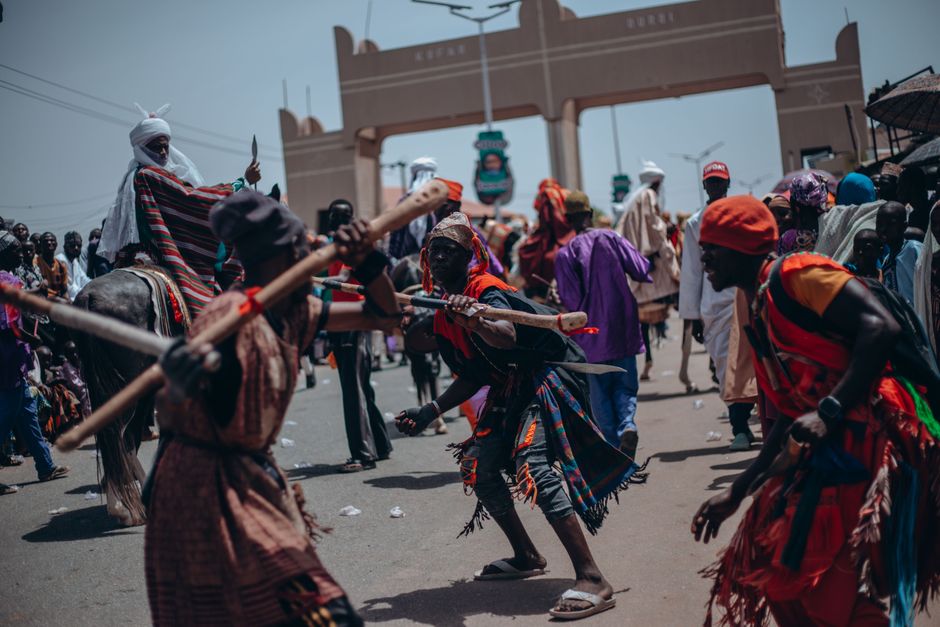
The Durbar Festival in northern Nigeria is a spectacular display of horsemanship and pageantry. It features a procession of horsemen adorned in splendid traditional attire, a sight that captivates locals and tourists alike.
"Durbar is not just a festival; it's a celebration of strength and nobility."
- Location: Major cities in the north like Kano and Katsina.
- Timing: Held during Eid al-Fitr and Eid al-Adha.
Argungu Fishing Festival: A Catch to Remember
Held in Kebbi State, the Argungu Fishing Festival is one of Nigeria's oldest festivals. It’s a four-day event filled with music, dance, and of course, competitive fishing.
Thousands flock to the river to try their luck at catching the biggest fish, an event that not only entertains but fosters communal harmony.
Landmarks That Tell Stories
Across Nigeria, historical landmarks serve as reminders of our rich past, offering glimpses into our ancestors' lives and the events that shaped our nation.
The Ancient City of Benin
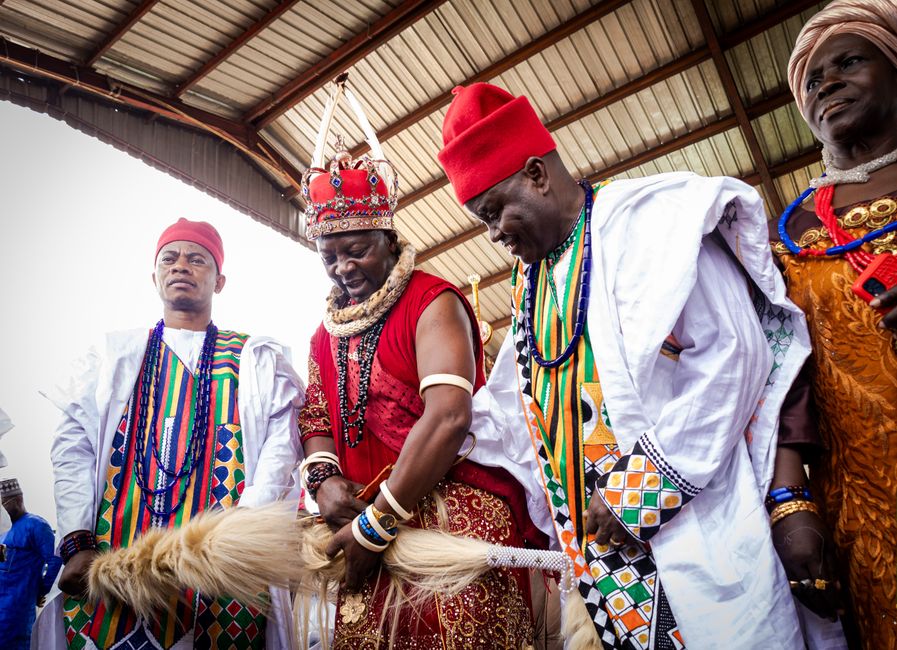
The Benin Kingdom, once a powerful empire, is famed for its sophisticated art and architecture. The Benin Bronzes, intricate sculptures and plaques, are testament to the artistic prowess of the Edo people.
A visit to Benin City is a step back in time, where history is etched in bronze and the legacy of the Oba (King) lives on.
Nok Culture: Unveiling Nigeria's Early Civilization
The Nok Culture, dating back to 1000 BC, is one of the earliest known civilizations in West Africa. Discovered in present-day Kaduna State, the Nok terracotta sculptures are a significant archaeological find.
"Nok art reveals the sophisticated craftsmanship of ancient Nigerians."
Exploring Nok artifacts offers insights into Nigeria's early societies and their sophisticated understanding of art and technology.
Culinary Delights: A Feast for the Senses
No journey through Nigeria's culture would be complete without indulging in its culinary delights. Nigerian cuisine is a flavorful fusion of spices and ingredients that tell stories of our lands and people.
Jollof Rice: More Than Just a Dish
Jollof rice is a staple at Nigerian gatherings and is often at the center of friendly debates on which region makes it best. Its rich, spicy flavor is a favorite among locals and visitors alike.
- Main Ingredients: Rice, tomatoes, peppers, and a blend of spices.
- Best Enjoyed With: Grilled chicken or fried plantains.
Suya: A Spicy Street Delight
Suya, skewered and spiced meat, is a popular street food that offers a taste of Nigeria's bold flavors. Originating from the Hausa people, it's a must-try for anyone exploring Nigerian cuisine.
Whether enjoyed as a snack or a meal, suya captures the fiery spirit of Nigerian cooking.
Conclusion
Nigeria's cultural heritage is a vibrant mosaic of traditions, stories, and flavors that continue to inspire and unite. From the rhythmic beats of Yoruba drums to the colorful festivals that light up our towns, Nigeria's culture is a testament to our resilience and diversity.
For Nigerian readers, this journey through our cultural landscape is a reminder of the beauty that lies in our shared heritage. As we celebrate our traditions and embrace modernity, let us continue to cherish and nurture the rich tapestry that is Nigeria.