Nigeria, a country rich in diversity and culture, is home to some of the most captivating cultural festivals in Africa. These festivals, deeply rooted in tradition and history, offer a unique window into the soul of Nigeria. Imagine the vibrant colors, the rhythmic beats of drums, and the joyous celebrations that fill the air. Whether you're a local or a tourist, experiencing a Nigerian festival is like stepping into a world where tradition meets excitement.
For Nigerian readers, these festivals are a source of pride and identity. They are occasions to celebrate heritage, connect with community, and showcase the rich tapestry of Nigeria's cultural landscape. Let's dive into some of the most enchanting cultural festivals that Nigeria has to offer, each with its own unique story and significance.
The Significance of Nigerian Cultural Festivals
Nigerian festivals are not just celebrations; they are a way of life. They serve as a platform for different ethnic groups to showcase their traditions and share their stories with the world. These festivals often revolve around significant events such as harvests, historical anniversaries, or religious occasions.
Connecting Communities
One of the most important roles of these festivals is to bring people together. They foster a sense of unity and community among participants and attendees. During these events, differences are set aside as everyone comes together to celebrate a common heritage.
"Festivals are like a thread that weaves the fabric of our society, connecting us to our roots and each other."
Preserving Traditions
Nigerian festivals play a crucial role in preserving the country's rich history and traditions. Through music, dance, art, and storytelling, these events keep the culture alive for future generations.
- Music and Dance: Traditional music and dance performances are at the heart of every festival, providing a lively and entertaining atmosphere.
- Art and Crafts: Local artisans showcase their skills with beautiful crafts and artworks that reflect cultural themes.
- Storytelling: Elders and historians share stories that pass down wisdom and cultural knowledge.
Top Nigerian Cultural Festivals
Durbar Festival
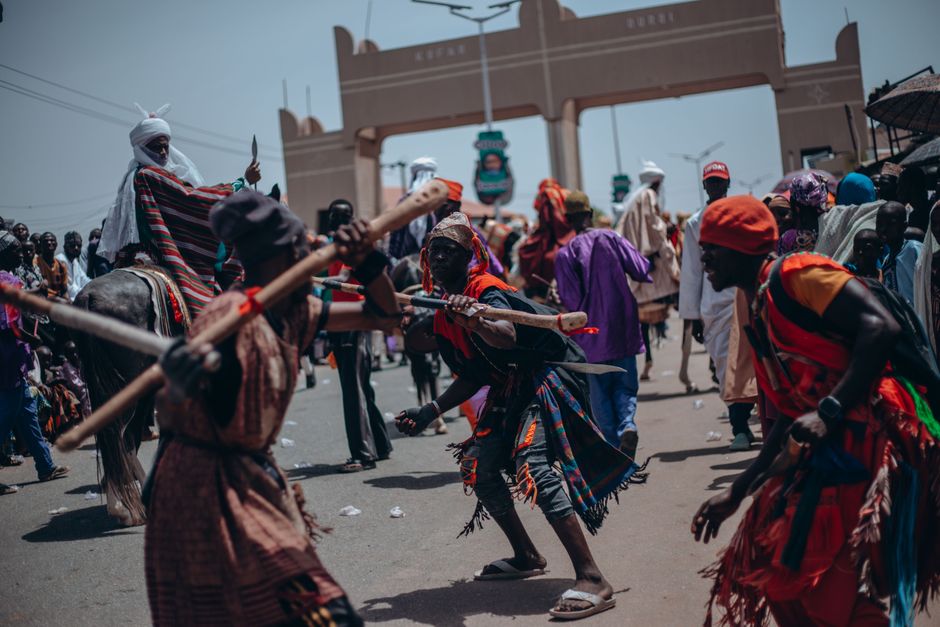
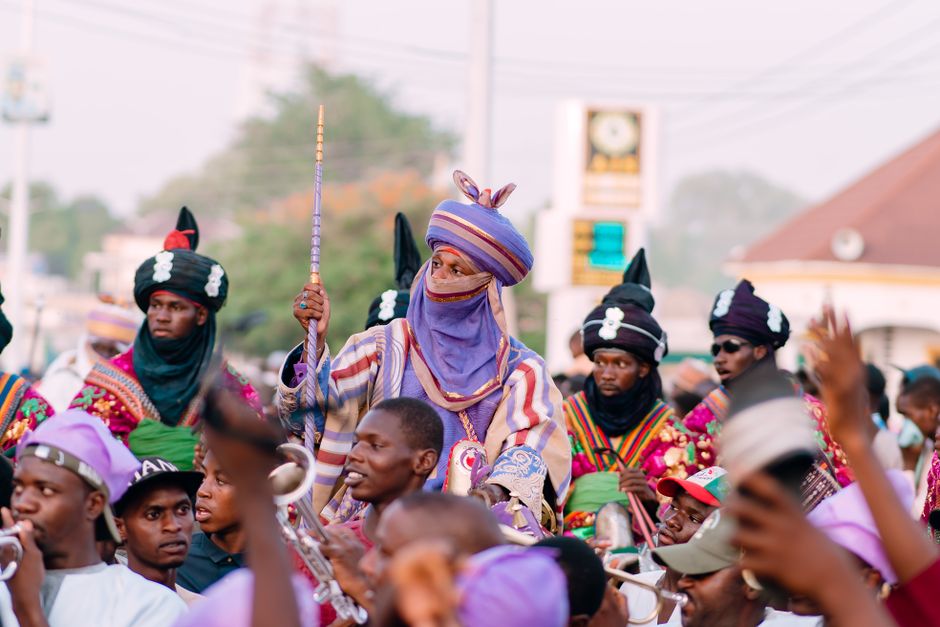
Held annually in Kano, the Durbar Festival is a spectacular display of horsemanship and traditional attire. The festival marks the end of Ramadan and involves colorful parades and royal ceremonies.
The highlight of the festival is the Durbar procession, where local emirs and dignitaries dress in elaborate robes and ride on beautifully adorned horses. It's a sight to behold and a perfect example of Nigeria's rich Islamic heritage.
Osun-Osogbo Festival
A UNESCO World Heritage event, the Osun-Osogbo Festival is celebrated in honor of the river goddess Osun in Osogbo. This two-week-long festival features traditional rituals and vibrant processions, culminating in a grand finale at the sacred Osun Grove.
"Experiencing the Osun-Osogbo Festival is like stepping into a living, breathing myth."
Eyo Festival
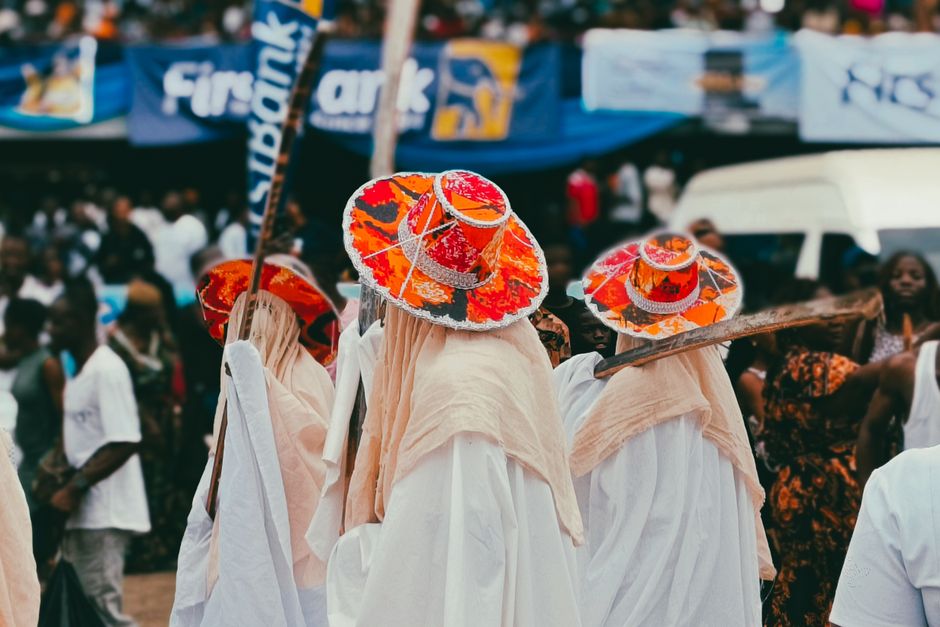
The Eyo Festival, also known as the Adamu Orisha Play, is unique to Lagos and is held to honor the passing of an Oba (king) or a prominent Lagos chief. Participants dress in white robes and hats, known as "Agbada" and "Aso Ebi" respectively, while carrying traditional staffs.
This festival is a beautiful blend of solemnity and celebration, with colorful parades and performances that pay homage to Lagos's cultural heritage.
How to Experience Nigerian Festivals
Planning Your Visit
Before attending a festival, it's important to plan your visit carefully. Most festivals have specific dates, so it's essential to check the schedule in advance and make travel arrangements accordingly.
- Research: Learn about the festival's history and significance to understand what to expect.
- Accommodation: Book your stay early, as hotels and guesthouses tend to fill up quickly during festival seasons.
- Local Guides: Consider hiring a local guide to enhance your experience and provide insights into the cultural significance of the festival.
Respecting Traditions
While attending a festival, it's crucial to respect the local customs and traditions. Dress modestly and follow any guidelines provided by the organizers or local community. This shows respect and appreciation for the culture you are witnessing.
Conclusion
Nigerian cultural festivals are a celebration of life, heritage, and community. They offer an extraordinary opportunity to witness the vibrancy and diversity of Nigeria's cultural landscape. Whether you're dancing at the Durbar or marveling at the masquerades of the Eyo Festival, these events provide unforgettable experiences and memories that last a lifetime.
For Nigerian readers, these festivals are more than just events; they are a source of pride and a testament to the rich history that defines their nation. So why not step out and immerse yourself in the enchanting world of Nigerian festivals?