Nigeria, known as the 'Giant of Africa', offers a cultural tapestry that is as diverse as it is vibrant. An exploration into Nigeria's rich cultural heritage reveals a land bursting with traditions, languages, and artistic expressions that are as lively as the heartbeat of Lagos itself. For Nigerian readers, revisiting these cultural treasures not only ignites a sense of pride but also offers an opportunity to celebrate our shared identity.
From the rhythmic beats of traditional drumming to the vibrant hues of Ankara fashion, Nigeria's cultural landscape is a feast for the senses. For those seeking to deepen their understanding of West African culture, Nigeria provides a unique window into the rich tapestry that defines this region. Let's embark on a journey to discover the heart and soul of Nigeria, exploring its customs, traditions, and the stories that have shaped its identity.
The Rich Melange of Nigerian Languages
With over 500 languages spoken across the country, Nigeria is a linguistic paradise. The major languages—Hausa, Yoruba, and Igbo—are not just means of communication but are deeply woven into the cultural fabric of the nation.
Yoruba: The Language of the Southwest
The Yoruba language, spoken predominantly in the southwestern part of Nigeria, is known for its musical intonations and cultural proverbs. In Yoruba culture, language is a vehicle for storytelling, connecting generations through tales of folklore and history.
Igbo: Vibrant Language of the Southeast
Igbo, spoken in the southeastern regions, is rich in idiomatic expressions and is integral to the cultural identity of the Igbo people. It serves as a medium for preserving the rich history and traditions of one of Nigeria's largest ethnic groups.
Hausa: The Voice of the North
Hausa is the predominant language in northern Nigeria and a lingua franca across West Africa. Its widespread use in trade and communication makes it a pivotal language in the region's socio-economic activities.
Nigerian Festivals: A Celebration of Culture
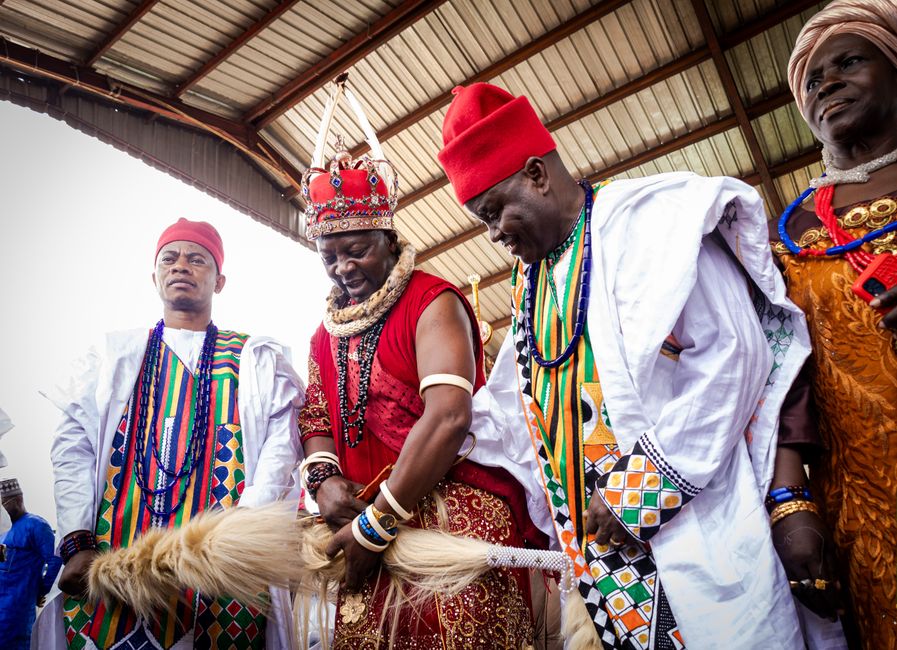
Nigerian festivals are a testament to the country's cultural diversity and vitality, showcasing traditional music, dance, and art in their full glory.
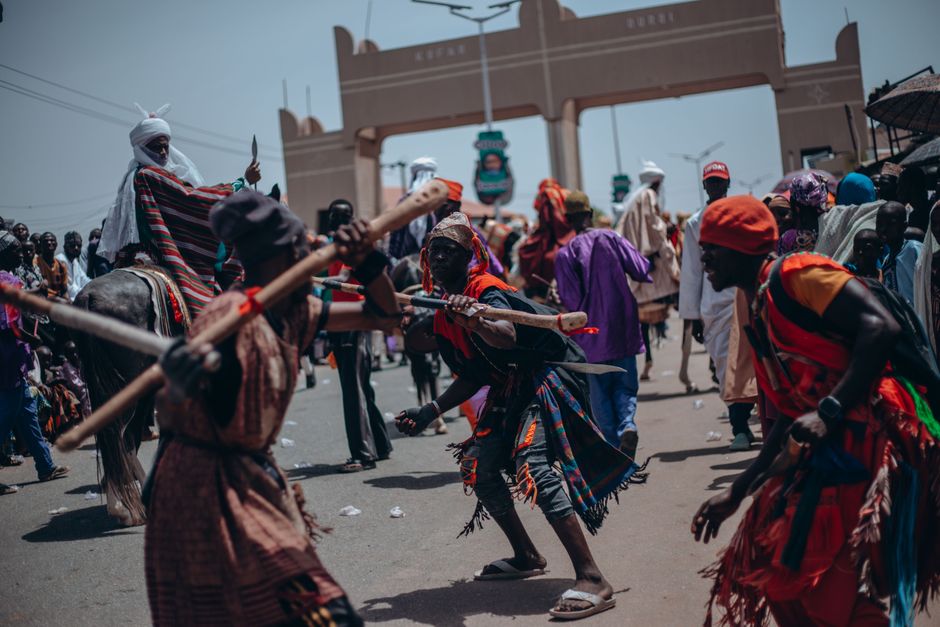
Durbar Festival: A Royal Spectacle
The Durbar Festival, celebrated in the northern cities, is a display of horsemanship, music, and royal pageantry. It is a celebration that marks the end of Ramadan and is a significant cultural event for the Hausa community.
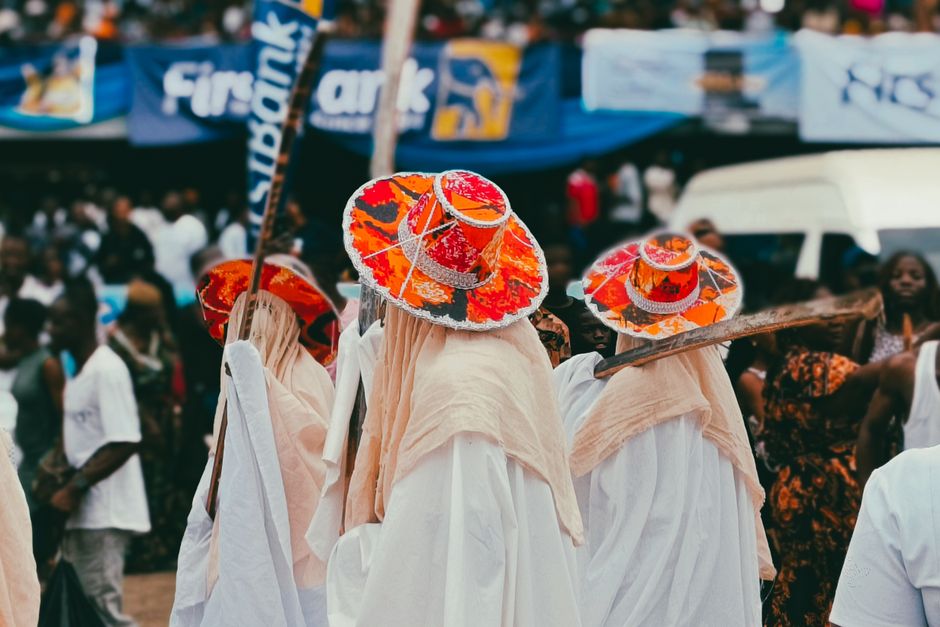
Eyo Festival: The Lagos Cultural Extravaganza
Eyo Festival, unique to Lagos, is a vibrant masquerade parade that transforms the city into a sea of white. The festival is rooted in Yoruba culture and is celebrated to honor illustrious figures in Lagos.
Osun-Osogbo Festival: Celebrating the River Goddess
Held annually in Osogbo, this festival is a UNESCO-recognized cultural event that celebrates the bond between humanity and nature. Devotees gather to honor the Osun River goddess with dance, music, and rituals.
Culinary Delights: Nigeria's Gastronomic Journey
Nigerian cuisine is a reflection of its diverse cultures, offering a plethora of flavors and dishes that are as varied as the country's ethnic groups.
- Jollof Rice: A staple across West Africa, Nigerian Jollof rice is celebrated for its rich, savory flavor, often paired with fried plantains and grilled chicken.
- Pounded Yam and Egusi Soup: A traditional dish enjoyed across Nigeria, this hearty meal is beloved for its creamy texture and spicy flavors.
- Suya: A popular street food, suya is a spicy meat skewer seasoned with a blend of spices and served with onions and spicy pepper sauce.
Fashion: The Expression of Nigerian Identity
Nigerian fashion is a vibrant expression of cultural identity, with traditional attire and modern designs reflecting the nation's dynamic spirit.
Ankara: The Fabric of Creativity
Ankara, known for its bright patterns and bold designs, is a staple in Nigerian fashion. It is worn in various styles, from casual wear to elaborate ceremonial outfits.
Aso Ebi: Unity in Fashion
Aso Ebi, which translates to 'family cloth', is a tradition where family and friends wear coordinated attire for special occasions, symbolizing unity and community.
"Fashion is a reflection of culture. In Nigeria, every piece tells a story."
Final Thoughts
Nigeria's cultural wealth is a source of pride and inspiration for its people and offers a captivating exploration for anyone eager to understand West African culture. Each aspect of Nigerian life, from its languages and festivals to its cuisine and fashion, tells a unique story of a nation rich in history and tradition. As Nigerians, embracing and celebrating this cultural heritage not only honors our ancestors but also paves the way for future generations to cherish their identity.