East Africa is a region rich in cultural diversity, a tapestry woven from the threads of ancient traditions, vibrant festivals, and the unique lifestyles of its peoples. From the shores of Lake Victoria to the plains of the Serengeti, this region offers a peek into a world where history and modernity blend seamlessly. For Nigerian travelers eager to explore beyond West Africa, East Africa provides a culturally immersive experience that is both enlightening and exhilarating. Whether you're drawn to the rhythmic beats of traditional dances or the intricate stories told through local music, there's something here to captivate every curious soul.
Navigating the cultural landscape of East Africa requires more than just a map; it demands an open mind and a willingness to engage with the local communities. As you journey through countries like Kenya, Tanzania, Uganda, and Rwanda, you'll find that each nation offers its own unique cultural fingerprint. The warm hospitality of the people, the diverse languages, and the myriad of culinary delights promise an experience that is as enriching as it is unforgettable.
Understanding the Cultural Heritage of East Africa
The cultural heritage of East Africa is as diverse as its landscapes. With numerous ethnic groups and languages, the region is a melting pot of traditions that date back centuries.
The Swahili Coast
The Swahili Coast, stretching along the Indian Ocean, is a cultural hub where African, Arab, and Asian influences intersect. The Swahili language, a lingua franca of East Africa, is a testament to this blend.
- Visit the ancient city of Lamu, a UNESCO World Heritage Site, known for its well-preserved Swahili architecture.
- Explore the spice markets of Zanzibar, where the aroma of cloves, cinnamon, and vanilla fills the air.
"The Swahili culture is a beautiful blend of different influences, offering a unique perspective on African heritage." - Cultural Expert
The Great Rift Valley
The Great Rift Valley is home to some of the most ancient tribes in the world. Here, traditional lifestyles have been preserved amidst stunning landscapes.
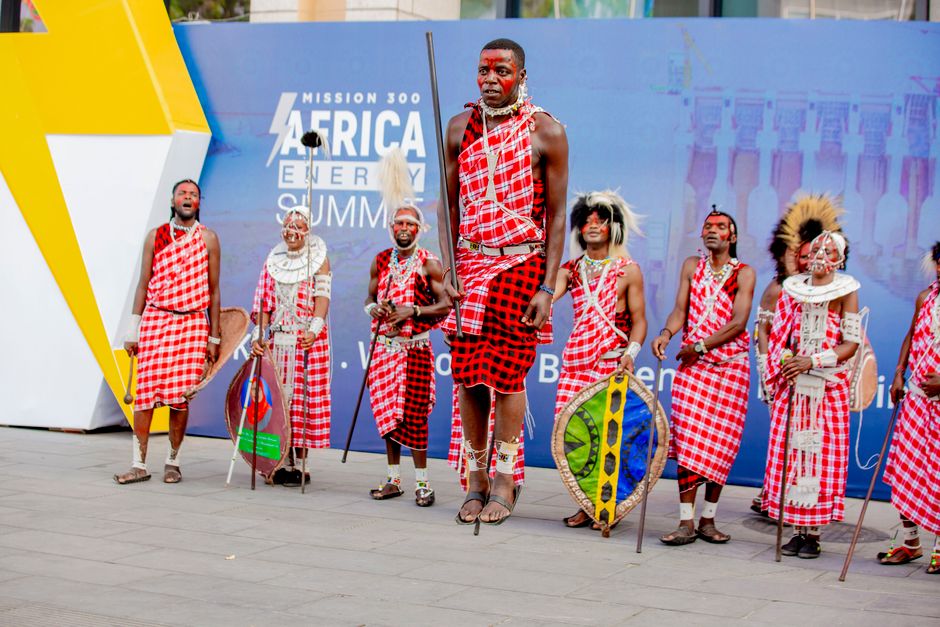
- The Maasai people are renowned for their vibrant attire and warrior traditions. A visit to a Maasai village offers insight into their age-old customs.
- Experience the pastoral life of the Turkana people, known for their striking beadwork and rich oral traditions.
Festivals and Celebrations
East Africa is alive with festivals and celebrations that reflect the region's cultural diversity. These events are the perfect opportunity to immerse yourself in local traditions and enjoy a festive atmosphere.
Ethiopian Timkat
Timkat, the Ethiopian Epiphany, is a major religious festival celebrating the baptism of Jesus. It’s marked by vibrant processions and ceremonial rites.
- Witness the colorfully robed priests leading processions to nearby water bodies for a blessing ceremony.
- The festival features traditional music and dance, offering a deep dive into Ethiopian spirituality.
Rwandan Umuganura
Umuganura is a traditional harvest festival in Rwanda, celebrating community and gratitude. It’s a time of feasting, dance, and cultural performances.
- Join the locals in traditional dance and enjoy the communal feasts made from the harvest's bounty.
- Learn about the significance of this festival in Rwandan culture and its role in fostering unity.
The Role of Music and Dance in East African Culture
Music and dance are integral to East African culture, serving as a means of storytelling and a way to preserve traditions.
Traditional Dances
Each ethnic group has its own distinct dance, often performed at weddings, festivals, and communal gatherings.
- The Maasai's Adumu dance, also known as the jumping dance, is a showcase of strength and agility.
- In Uganda, the Kiganda dance involves intricate footwork and is performed during royal functions.
Musical Traditions
From the melodious tunes of the Nyatiti lyre in Kenya to the rhythmic beats of Tanzanian drums, music in East Africa is as diverse as its people.
- Attend a performance of Taarab music in Zanzibar, a genre that fuses Swahili, Arab, Indian, and Western styles.
- Discover the soothing sounds of the Ethiopian Krar, a traditional lyre used in cultural ceremonies.
"Music in East Africa is the heartbeat of its cultures, uniting people through rhythm and melody." - Musicologist
Exploring Local Cuisine
East African cuisine is a delightful introduction to the region's cultural diversity, with each country offering its own unique flavors and dishes.
Kenyatta's Nyama Choma
Nyama Choma, or roasted meat, is a staple in Kenyan celebrations and social gatherings. Pairing it with Ugali is a common practice.
- Visit a local nyama choma joint in Nairobi for an authentic dining experience.
- Try it with sukuma wiki (collard greens) for a complete meal.
Ugandan Luwombo
Luwombo is a Ugandan dish where ingredients like chicken or beef are steamed in banana leaves, offering a flavorful feast.
- Participate in a cooking class to learn how to make luwombo from local chefs.
- Pair it with matoke, a type of plantain, for a traditional Ugandan meal.
Conclusion
Exploring the cultural riches of East Africa is a journey through tradition, music, dance, and cuisine that enriches the soul. For Nigerian travelers, this region offers a chance to connect with a different part of the African continent and experience its vibrancy firsthand. As you explore these cultural treasures, you'll find that East Africa's warmth and hospitality make it a truly welcoming destination.
So pack your bags, embrace the spirit of adventure, and let East Africa's cultural tapestry unfold before you. Whether it's the rhythmic dance of the Maasai or the flavorful aromas of Zanzibari spices, each experience is a thread in the beautiful fabric of this region's heritage.