East Africa, a region renowned for its breathtaking landscapes and diverse wildlife, is also a treasure trove of vibrant cultures. For Nigerian travelers seeking a destination that marries adventure with rich cultural experiences, East Africa offers an unforgettable journey. Imagine the rhythm of traditional drums, the aroma of exotic spices, and the warmth of communities whose cultures date back centuries. Let's embark on a journey to explore the cultural wonders of East Africa, from its music and dance to culinary delights and traditional crafts.
The Melodious Sounds of East Africa
Traditional Music
Music in East Africa is as diverse as its people. From the harmonies of Kenya's Benga to the rhythms of Tanzania's Taarab, each genre tells a story of its own. Nigerian visitors will find familiar beats and new sounds that resonate with the soul.
"Music is the heartbeat of East Africa. It connects the past with the present and brings people together."
- Benga Music: Originating from Kenya, Benga combines local instruments with modern beats.
- Taarab: A blend of African, Arab, and Indian influences, Taarab music is popular along the Swahili coast.
Dance and Performance
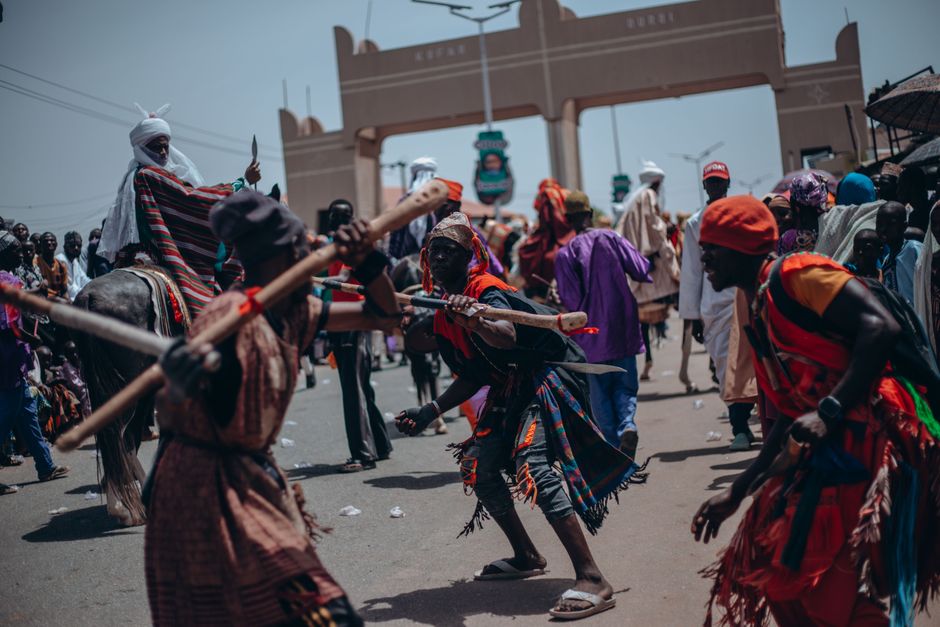
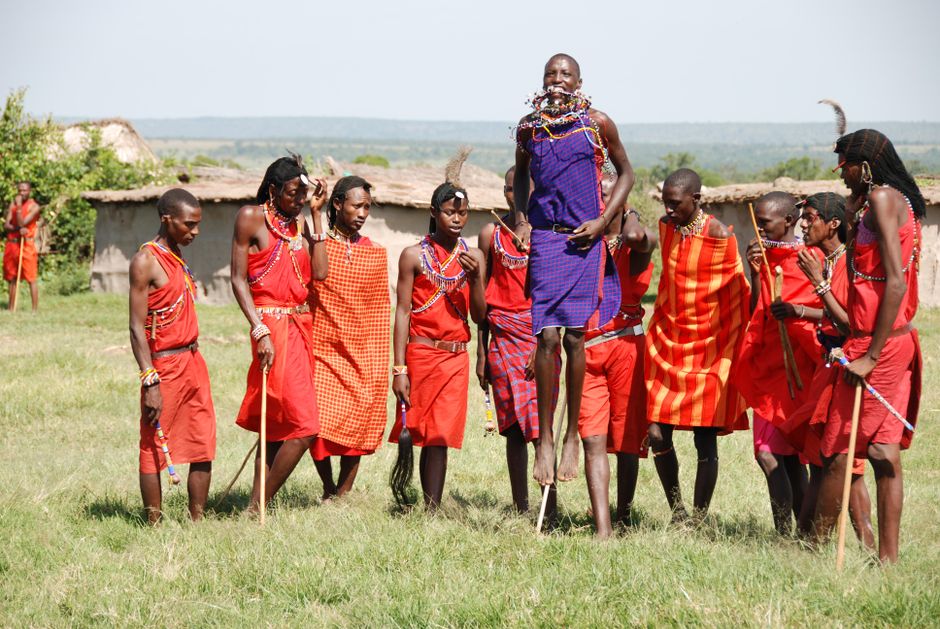
Dance is an integral part of East African culture, often accompanying music at festivals and ceremonies. From the energetic Giriama Giriama dance in Kenya to the spiritual Ngoma dance in Tanzania, these performances are a sight to behold.
"Dance is a language that transcends barriers, a universal expression of joy and tradition."
Taste the Flavors of East Africa
A Culinary Adventure
East African cuisine offers a delightful fusion of flavors. Known for its fresh ingredients and aromatic spices, the food here is a treat for the senses. For Nigerians, the spicy and flavorful dishes will feel like a home away from home.
- Ugali and Sukuma Wiki: A staple in many East African countries, this dish consists of maize porridge served with sautéed greens.
- Nyama Choma: East Africa's version of barbecued meat, often served with a side of kachumbari salad.
Street Food Delights
For those willing to explore, the bustling street food markets offer a plethora of options. From roasted maize cobs to mandazi (fried dough), there's something for everyone.
"The best way to experience a culture is through its cuisine. Every bite tells a story."
Traditional Crafts and Art
Handmade Treasures
East Africa boasts a rich tradition of handicrafts. Visitors can explore markets filled with intricately woven baskets, colorful beadwork, and beautifully carved wooden sculptures.
- Maasai Beadwork: Known for its vibrant colors and intricate designs, Maasai jewelry is both beautiful and symbolic.
- Kikoi and Kanga: Traditional cloths used throughout the region for clothing or decoration.
Supporting Local Artisans
Purchasing handicrafts not only brings home a piece of East Africa but also supports local artisans and sustains their traditions.
"Every craft has a story, a history woven with threads of tradition and innovation."
Connecting with Communities
Homestays and Cultural Tours
For a truly immersive experience, consider staying with local families or joining cultural tours. This provides a firsthand insight into daily life and traditions.
- Homestays: Live with local families and participate in their daily routines, cooking, farming, and crafting.
- Cultural Tours: Guided tours that offer a deeper understanding of local history, traditions, and customs.
Festivals and Celebrations
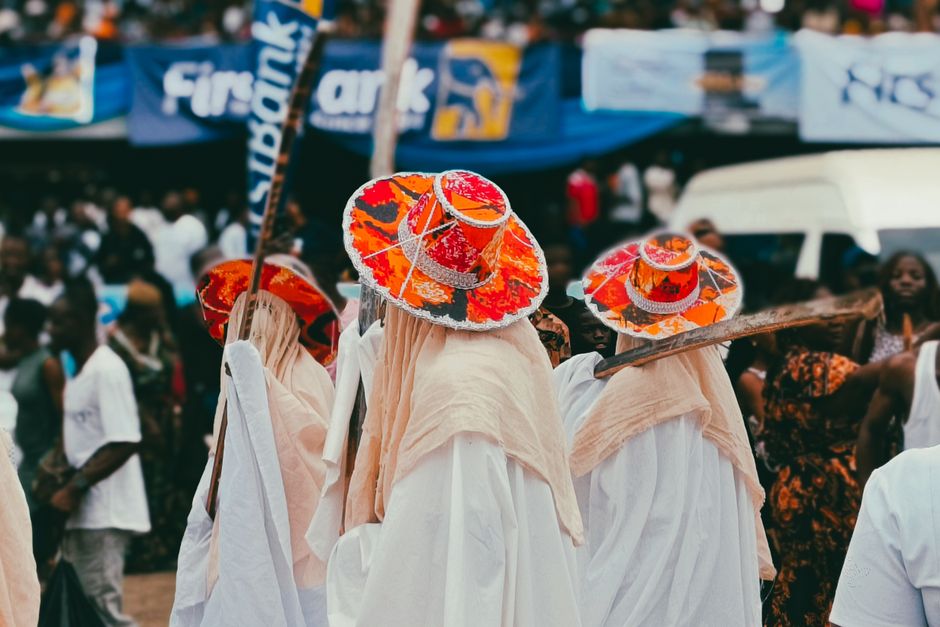
East Africa hosts a myriad of festivals celebrating everything from music and dance to harvests and religious events.
"Festivals are a celebration of life, bringing communities together in a spirit of unity and joy."
Conclusion
East Africa is a region rich in history, culture, and tradition. From its music and dance to its culinary delights and crafts, it offers an unparalleled travel experience. For Nigerian travelers, the journey through East Africa is not just a trip abroad but an exploration of familiar yet new cultural landscapes. Whether you're dancing to the beat of a drum, savoring a spicy dish, or bargaining in a local market, every moment is a step closer to understanding the rich tapestry of East Africa's cultural heritage.