East Africa, with its stunning landscapes and diverse communities, offers a unique tapestry of cultures waiting to be explored. Among these, the Swahili culture stands out with its rich history and vibrant traditions. Whether you're a traveler seeking adventure or someone interested in cultural exchanges, understanding the Swahili way of life opens up a world of wonder and learning.
The Swahili culture is predominantly found along the East African coast, spanning countries like Kenya, Tanzania, and Mozambique. It's a blend of African, Arab, Persian, Indian, and even European influences, creating a unique cultural experience that is both historical and contemporary. In this article, we'll delve into various elements that make the Swahili culture so captivating.
As we unravel the intricacies of Swahili culture, you'll discover how language, cuisine, architecture, and festivals form the backbone of this remarkable cultural identity. Whether you're wandering through the narrow streets of Stone Town in Zanzibar or enjoying a Swahili meal in Mombasa, every experience is an invitation to step into a rich cultural past.
The Swahili Language: A Lingua Franca in East Africa
Origins and Evolution
The Swahili language, also known as Kiswahili, is a Bantu language with significant influence from Arabic due to historical trade relations. It serves as a bridge not only within East Africa but also parts of Central Africa.
Swahili has evolved over centuries, incorporating words and phrases from Arabic, Persian, Portuguese, and even English. This evolution tells the story of the diverse interactions between the Swahili Coast and other cultures.
Learning Swahili: A Practical Guide
For travelers, learning a few Swahili phrases can enhance your experience in East Africa. Common greetings like "Jambo" (hello) and "Asante" (thank you) are not only polite but also open doors to friendly interactions.
- Jambo: Hello
- Asante: Thank you
- Karibu: Welcome
- Habari: How are you?
Embrace these phrases to connect better with locals, and you'll find your travels enriched by the warmth and hospitality of the Swahili people.
Culinary Journey: Tasting Swahili Cuisine
Spices and Flavors
Swahili cuisine is a flavorful journey that reflects the diverse cultural influences of the region. Known for its rich use of spices such as cardamom, cloves, and cumin, every dish tells a story of heritage and tradition.
Key dishes include Pilau and Biryani, both rice-based meals infused with aromatic spices and often accompanied by seafood or meat. These dishes are a staple in Swahili households and are often served during special occasions and celebrations.
Street Food Delights
The streets of Mombasa and Zanzibar are bustling with vendors selling delicious snacks that are a must-try for any food enthusiast. From Mandazi (a type of fried dough) to Samosas, these street foods are both affordable and delicious.
"To truly understand a people, you must eat their food. It's the simplest way to connect."
Embrace the local street food culture as it offers a taste of the daily lives of Swahili people and their culinary traditions.
Swahili Architecture: A Blend of Traditions
Historical Influences
Swahili architecture is characterized by its unique blend of African, Arabian, and Indian influences. This is evident in the coastal towns of Lamu, Mombasa, and Zanzibar, where you can find stunning examples of this architectural style.
The use of coral stone, mangrove timber, and intricately carved wooden doors are trademarks of Swahili architectural design. These elements not only serve aesthetic purposes but also reflect the practical needs of living in coastal environments.
Exploring Stone Town, Zanzibar
Stone Town, with its maze of narrow streets and historical buildings, is a UNESCO World Heritage Site that offers a glimpse into the past. Here, visitors can explore landmarks such as the Old Fort, the House of Wonders, and the Sultan's Palace.
- The Old Fort: A key historical site showcasing Swahili architecture.
- The House of Wonders: Once a palace, now a museum detailing the region's rich history.
- The Sultan's Palace: Offering insights into the royal history of Zanzibar.
Walking through Stone Town is like stepping back in time, where every corner has a story waiting to be uncovered.
Celebrating Swahili Festivals
Mwaka Kogwa Festival
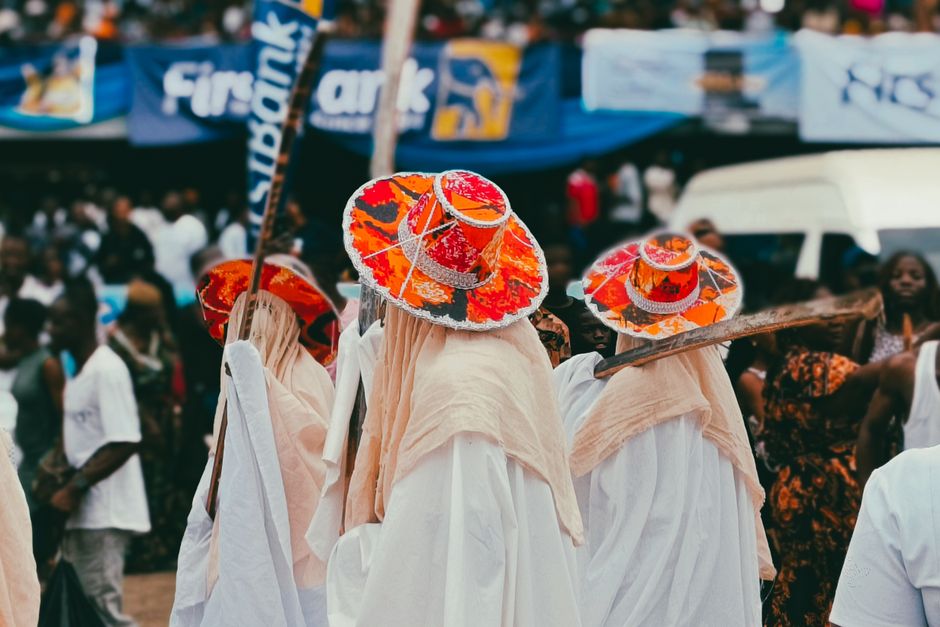
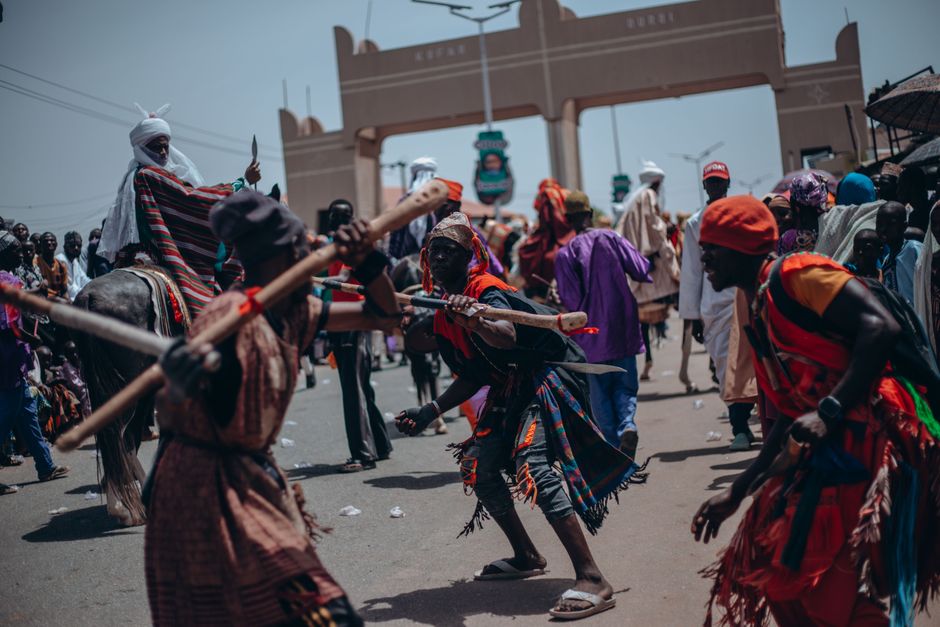
One of the most vibrant Swahili festivals is the Mwaka Kogwa, celebrated in Zanzibar. This festival marks the Swahili New Year and is characterized by traditional music, dance, and mock fights meant to clear any grievances from the past year.
Visitors attending this festival can expect to be immersed in the rich cultural traditions of the Swahili people, experiencing firsthand their joyous and communal spirit.
Maulidi Festival
The Maulidi Festival, celebrating the birth of Prophet Muhammad, is another significant cultural event in the Swahili calendar. Held in Lamu, Kenya, this festival is marked by religious parades, poetry recitations, and traditional ball games.
Participating in Maulidi offers a unique insight into the religious and cultural practices that are central to Swahili identity.
Conclusion
Exploring the Swahili culture is a journey through history, language, food, architecture, and celebrations. Each aspect offers a piece of the puzzle that is East Africa, inviting travelers to learn and appreciate the diverse traditions that shape this vibrant region.
Whether you're planning a trip to East Africa or simply wish to understand more about this fascinating culture, the Swahili way of life offers endless opportunities for discovery and appreciation. So pack your bags, open your mind, and immerse yourself in the rich tapestry of Swahili culture on your next adventure.