Nigeria, often referred to as the 'Giant of Africa', offers a cultural tapestry that is as rich as it is diverse. From the sprawling cities to the rural villages, the nation's pulse is driven by its vibrant traditions, festivals, and cuisines that paint a picture of its compelling heritage. Whether you're a local or a traveler seeking to explore West African culture, Nigeria promises a journey filled with unforgettable experiences.
With over 250 ethnic groups, Nigeria's cultural diversity is unparalleled. The country boasts an array of languages, customs, and traditions that have been passed down through generations. As you delve deeper, you'll find that each region offers something unique. Let's embark on an exploration of what makes Nigerian culture so captivating.
The Rich Cultural Traditions of Nigeria
Language and Communication
Language is a critical component of Nigeria's cultural identity. While English is the official language, the nation is home to over 500 languages. Among the most spoken are Hausa, Yoruba, and Igbo. These languages are not just means of communication but are deeply intertwined with the cultural practices and traditions of the people.
For instance, the Yoruba language is often used in traditional religious practices and ceremonies. Similarly, Igbo proverbs play a significant role in social gatherings, conveying wisdom and humor in equal measure.
Traditional Attire
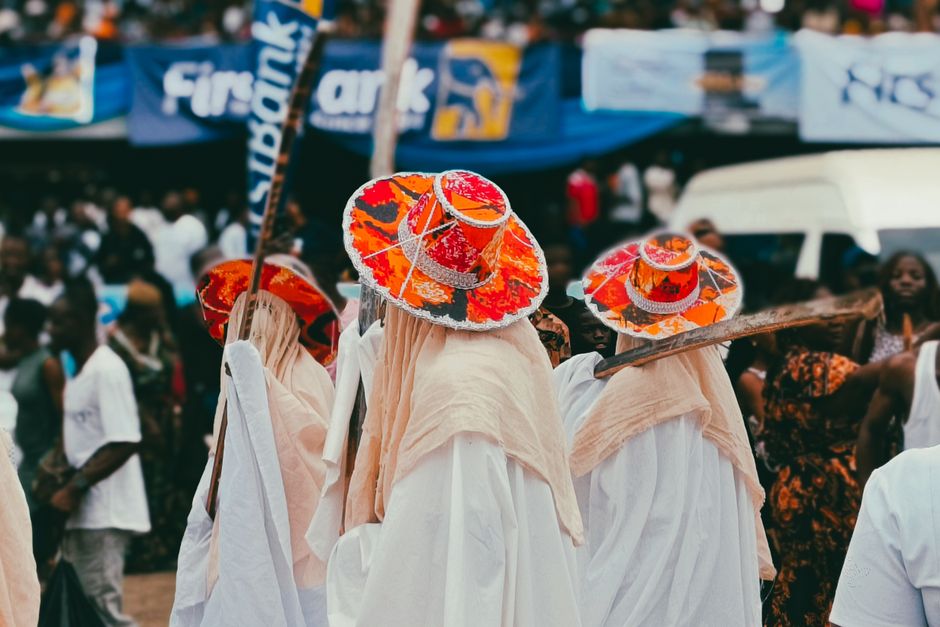
Nigerian attire is vibrant and varied, with each ethnic group having its unique style. The Yoruba are known for their elaborate 'agbada', a flowing robe worn by men, and the intricate 'gele', a head tie worn by women. The Igbo people favor 'isiagu', a traditional shirt, often adorned with lion head motifs, symbolizing strength.
"Dress is not just about style; it's a statement of identity, culture, and pride." - Nigerian Fashion Enthusiast
Nigerians take pride in their traditional attire, and it's common to see these garments worn during weddings, festivals, and other cultural events.
The Festivals of Nigeria
Durbar Festival
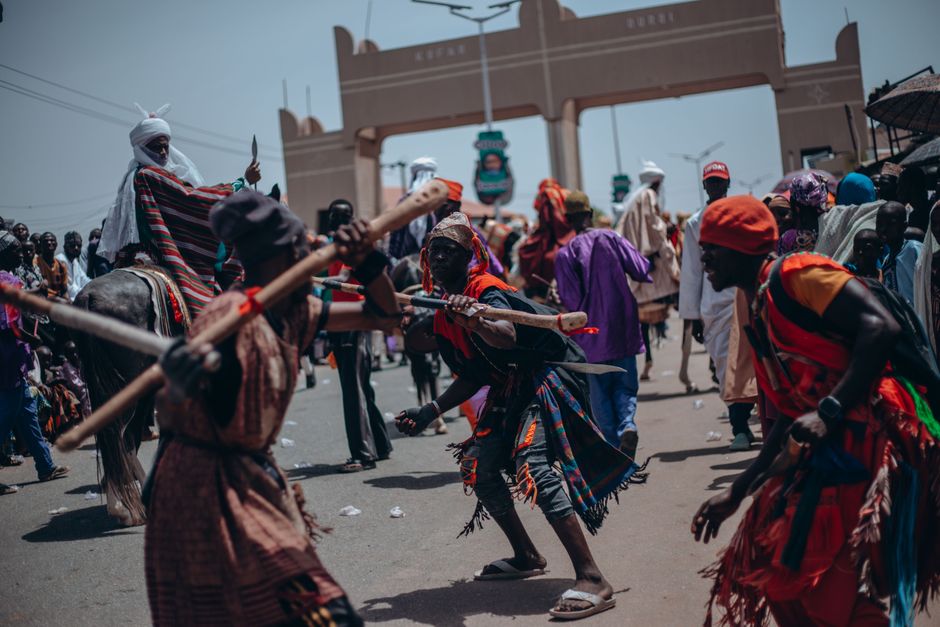
The Durbar Festival, predominantly celebrated in northern Nigeria, is a spectacle of regal processions, horse parades, and traditional music. It marks the end of Ramadan and brings together communities to celebrate unity and heritage.
Held in cities like Kano and Katsina, the festival is a colorful display of cultural pride, with participants dressed in resplendent traditional attire, riding ornately decorated horses.
Osun-Osogbo Festival
In the southwestern state of Osun, the Osun-Osogbo Festival is held annually to honor the river goddess Osun. Pilgrims and tourists alike are drawn to the sacred Osun Grove, a UNESCO World Heritage Site, to partake in rituals and witness the vibrant celebrations.
The festival is a beautiful blend of spirituality and festivity, showcasing traditional drumming, dancing, and processions.
Nigerian Cuisine: A Culinary Adventure
Popular Nigerian Dishes
Nigerian cuisine is a delightful fusion of flavors, with dishes that are both hearty and flavorful. Some staples include:
- Jollof Rice: A spicy, one-pot dish that is a favorite across West Africa.
- Pounded Yam and Egusi Soup: A traditional dish enjoyed by many, particularly in the southwestern regions.
- Suya: Spicy skewered meat, often enjoyed as street food.
Each dish tells a story, reflecting the ingredients and cooking methods that have been refined over centuries.
The Role of Food in Celebrations
Food is central to Nigerian celebrations, be it weddings, birthdays, or festivals. It's not just about nourishment but a way to bring people together. Meals are often communal, fostering a sense of belonging and unity.
Exploring Nigerian Music and Dance
Traditional Rhythms
Music and dance are integral to Nigerian culture, with traditional rhythms such as 'Gangan' (talking drum) and 'Ogene' (metal gong) accompanying many events. These sounds are deeply rooted in cultural rituals and storytelling.
Whether it's the energetic beats of Afrobeat pioneered by Fela Kuti or contemporary artists blending traditional sounds with modern influences, Nigerian music continues to resonate globally.
Dance as Cultural Expression
Nigerian dance is as varied as its music, with each ethnic group boasting unique styles. From the high-energy 'Bata' dance of the Yoruba to the Igbo's graceful 'Atilogwu', dance in Nigeria is a celebration of life.
These dances often tell stories, convey emotions, and are vital parts of ceremonies and festivities.
Conclusion
Nigeria's cultural landscape is a mosaic of traditions, languages, and practices that continue to thrive amidst modernity. For Nigerian readers and those interested in discovering West Africa's cultural heartbeat, Nigeria offers an enriching experience that is as diverse as it is profound.
Whether it's through the colorful festivals, the delicious cuisines, or the rhythmic beats of its music, Nigeria invites you to explore, enjoy, and embrace its heritage. As you journey through this remarkable nation, you'll find that every corner has a story to tell, waiting for you to uncover.