Ghana, a bustling West African nation, is celebrated for its rich cultural heritage and vibrant traditions. Whether you're a seasoned traveler or a first-time visitor, exploring Ghanaian culture offers an unforgettable experience. From its energetic festivals to its delicious cuisine and traditional crafts, every aspect of Ghanaian life is infused with history and pride. Let's delve into what makes Ghana's culture so captivating.
For Nigerian travelers, the cultural similarities yet distinct differences offer a fascinating journey. Understanding these nuances not only enhances the travel experience but also deepens the connection with our shared African heritage.
As we embark on this cultural journey, you'll discover the warmth and hospitality that Ghanaians are renowned for, making every visitor feel at home. Now, let's take an in-depth look at the elements that define Ghanaian culture.
Festivals: A Celebration of Heritage
Homowo Festival: The Festival of Harvest
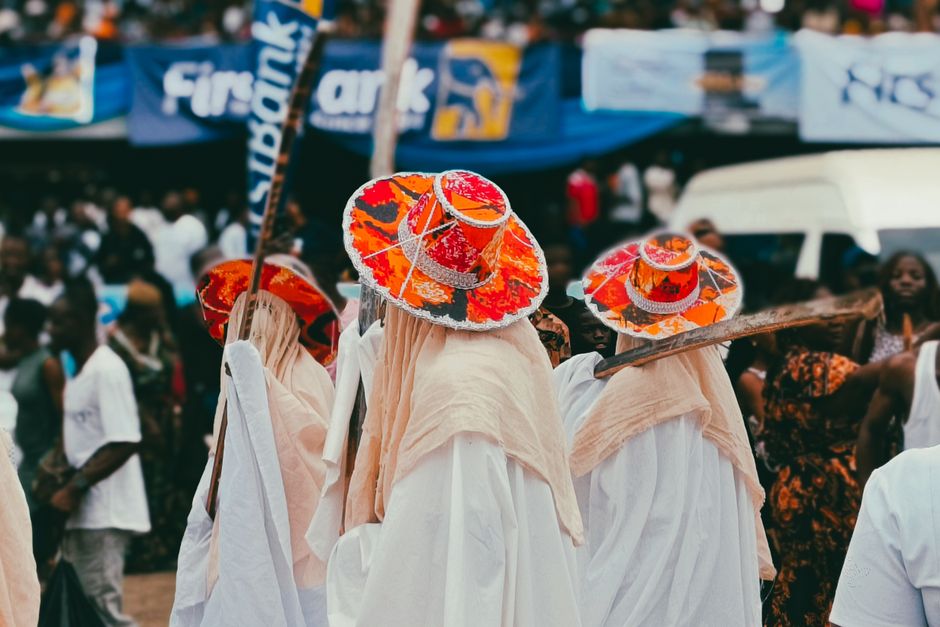
The Homowo Festival, primarily celebrated by the Ga people, is a vibrant and colorful event marking the end of the farming season. The festival is characterized by traditional drumming, dancing, and the 'Kpokpoi' meal, which is shared among family and friends. Homowo, meaning 'hooting at hunger,' is a testament to the resilience and resourcefulness of the Ga people.
Pan-African Historical Theatre Festival (PANAFEST)
PANAFEST is an iconic cultural event held in Cape Coast, bringing together artists, performers, and thinkers from across the globe to celebrate the cultural and historical bonds shared by the African diaspora. The festival includes a variety of activities such as theater performances, cultural dances, and insightful discussions on African heritage.
- Dates: Usually held every two years in July or August.
- Location: Major events are hosted in Cape Coast and Elmina.
"PANAFEST is more than a festival; it's a homecoming for Africans in the diaspora, reconnecting with their roots and celebrating shared history."
Ghanaian Cuisine: A Culinary Adventure
Jollof Rice: A West African Staple
No exploration of Ghanaian culture is complete without tasting its mouthwatering cuisine. While Jollof rice is a popular dish across West Africa, each country has its unique twist. Ghanaian Jollof is known for its rich tomato base and spicy flavors, often accompanied by fried plantains and grilled meat.
Fufu and Light Soup
This classic Ghanaian meal, made from pounded cassava and plantains, is best enjoyed with a hearty light soup. The dish is a staple in many households, reflecting the communal nature of Ghanaian dining, where meals are shared and enjoyed together.
- Popular Spots: Visit local eateries or 'chop bars' for an authentic experience.
- Tip: Don't miss trying 'waakye', a rice and beans dish, often served with a variety of accompaniments.
Traditional Attire: A Splash of Color and Identity
Kente Cloth: Weaving Stories in Fabric
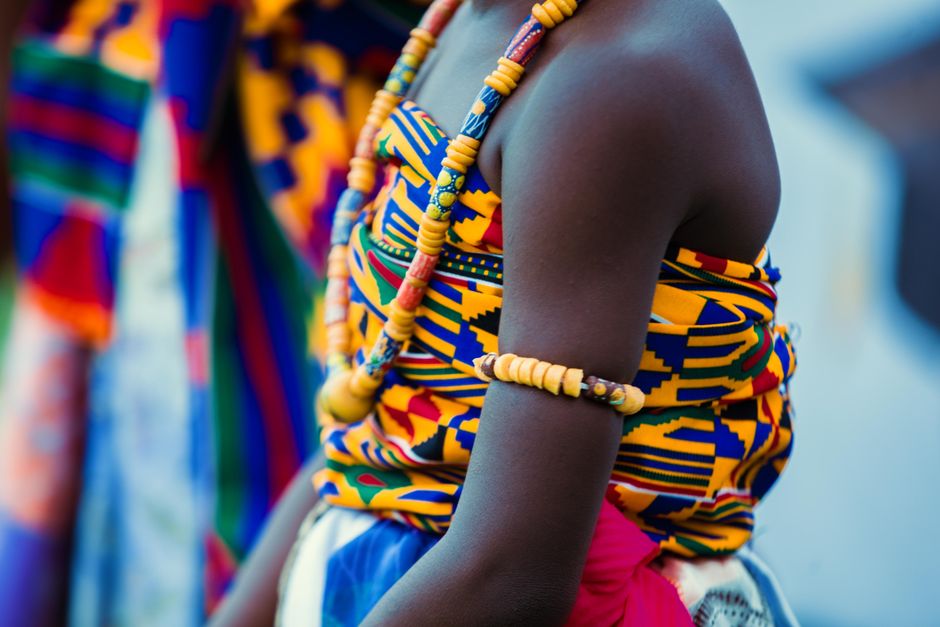
Kente is not just a piece of clothing; it's a symbol of Ghanaian identity, traditionally handwoven with intricate patterns that each carry a unique meaning. Historically worn by royalty, today, Kente is proudly worn during special occasions and cultural ceremonies.
Adinkra Symbols: Messages in Textile
Adinkra cloth is another traditional Ghanaian textile adorned with symbols, each representing concepts or aphorisms. These symbols often communicate messages, values, and wisdom, making the cloth a medium of storytelling.
"Kente and Adinkra are more than attire in Ghana; they are vibrant expressions of identity and cultural pride."
Music and Dance: The Heartbeat of Ghana
Highlife and Hiplife: Rhythms of the Nation
Music is an integral part of Ghanaian culture, with Highlife music leading the way as a traditional genre that incorporates jazz, ska, and African rhythms. Modern evolution has led to Hiplife, a blend of Highlife and hip-hop that resonates with the youth.
Traditional Dances: Storytelling Through Movement
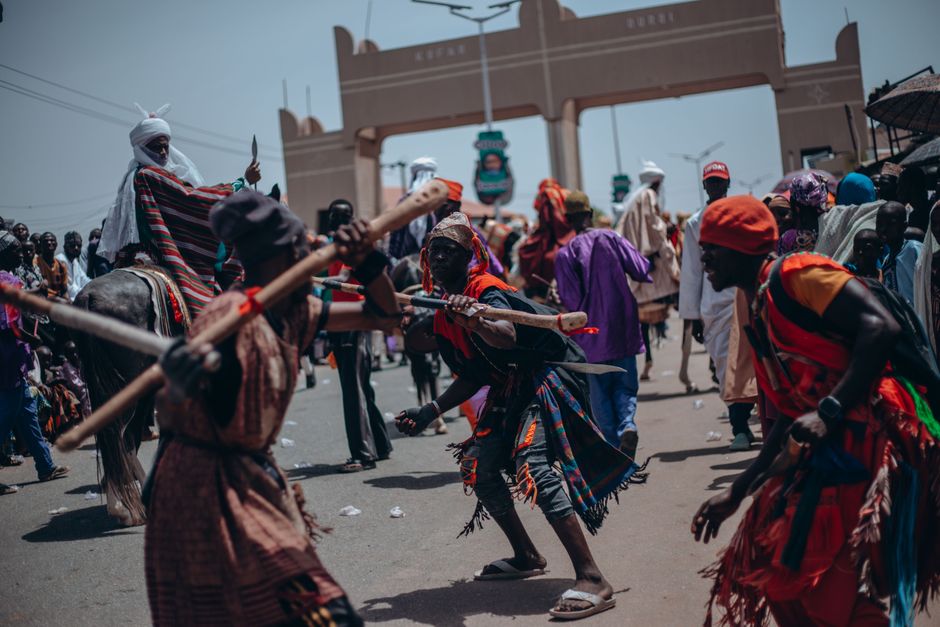
Ghanaian dance is an expressive art form, with each ethnic group having its own unique style. Dances like 'Adowa' and 'Kete' are performed during festivals and celebrations, each telling a story and offering a window into the community's cultural legacy.
- Experience: Join in a local dance session or attend a cultural performance to witness the energy and passion firsthand.
- Popular Venue: The National Theatre in Accra frequently hosts performances showcasing traditional and contemporary dance.
Arts and Crafts: Creativity in Every Corner
Wood Carving and Sculpture
The art of wood carving is a time-honored tradition in Ghana, producing intricate sculptures and masks that are sold in markets and craft villages. These creations are often symbolic, representing historical events, proverbs, and beliefs.
Bead Making: A Tradition of Adornment
Ghanaian beads are world-renowned for their beauty and craftsmanship. The Krobo people are particularly famous for their bead-making skills, creating stunning pieces that are worn for both everyday and ceremonial purposes.
- Shopping: Visit local markets such as the Arts Centre in Accra for authentic crafts.
- Workshop: Participate in a bead-making workshop to create your own unique piece.
Conclusion
The cultural richness of Ghana is a testament to its historical depth and the diverse ethnic tapestry that defines the nation. From its vibrant festivals to the mouthwatering flavors of its cuisine, and from the colorful textiles to the rhythmic beats of its music, Ghana offers a feast for the senses. For Nigerian travelers, Ghana presents a unique opportunity to explore a culture that feels both familiar and intriguingly different.
Whether you're dancing to the beat of a Djembe drum, savoring the taste of freshly prepared Jollof rice, or admiring the craftsmanship of a beautifully woven Kente cloth, Ghana invites you to immerse yourself in its warm embrace. By embracing its traditions and stories, we gain a deeper appreciation for the shared history and vibrant future of our beloved Africa.