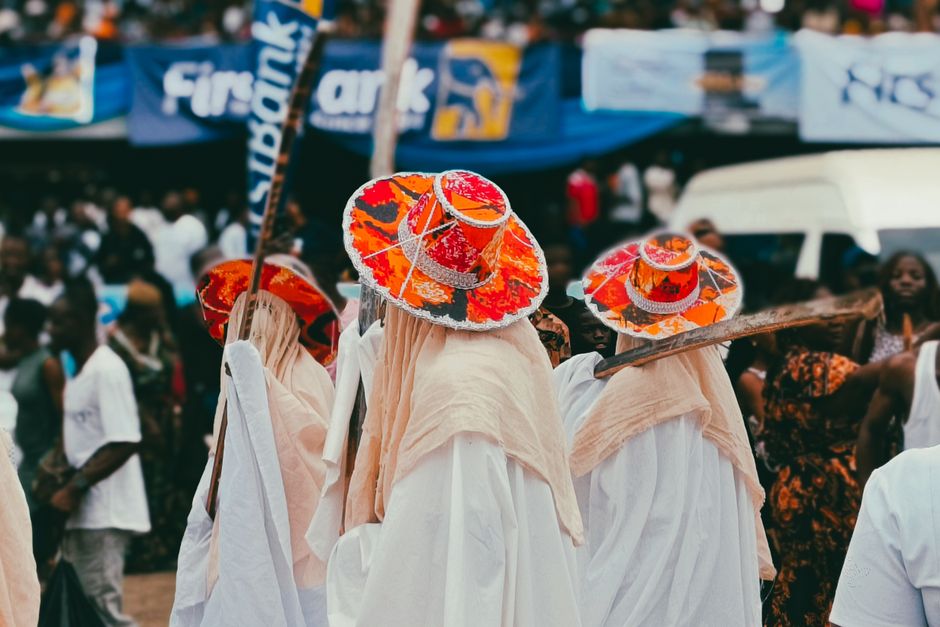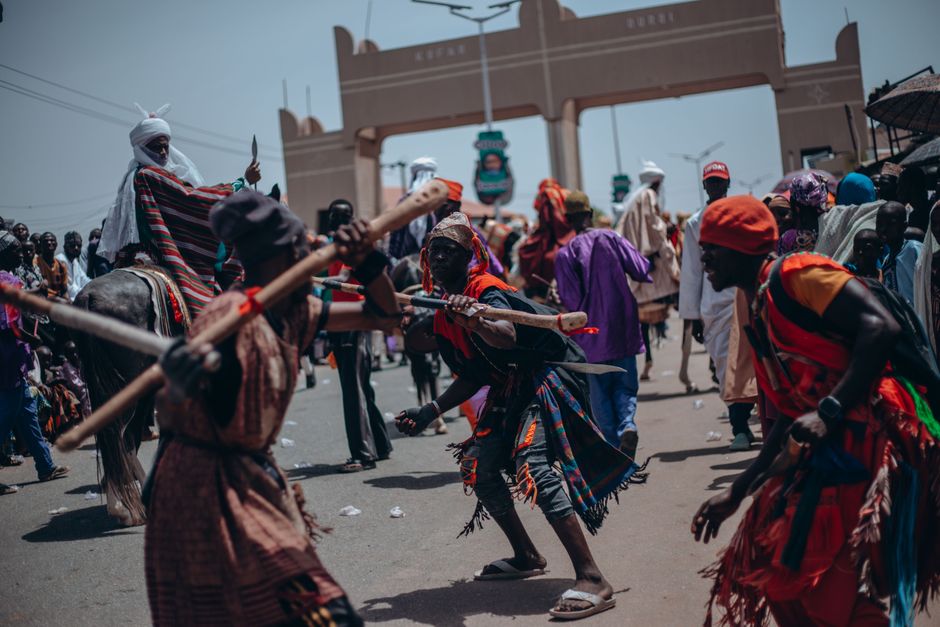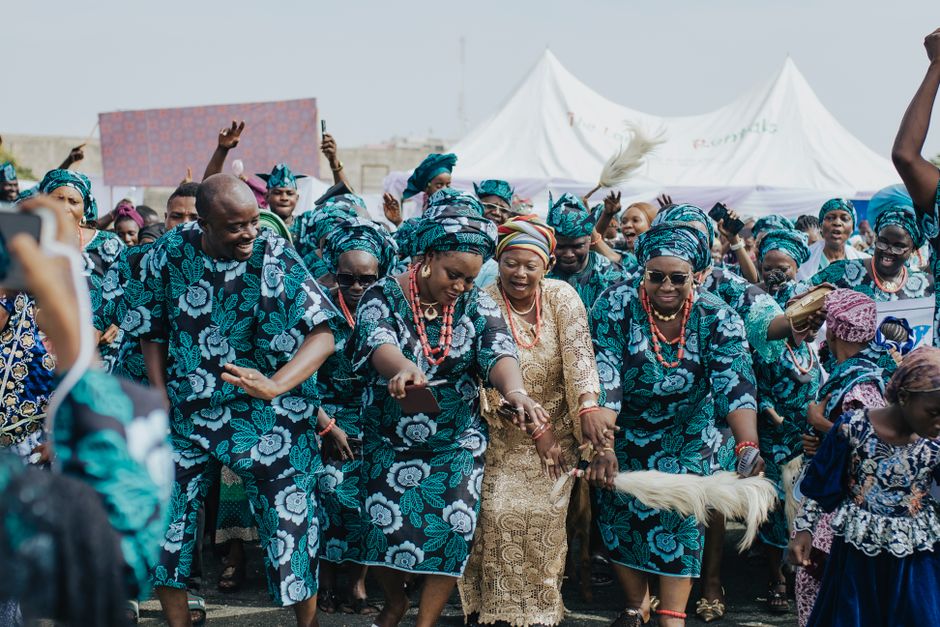
Nigeria, often called the 'Giant of Africa', is not only the most populous country on the continent but also one of its most culturally diverse. With over 250 ethnic groups, each with its own distinct traditions, languages, and histories, Nigeria offers a cultural tapestry that is as rich as it is diverse. For Nigerian readers and travelers alike, diving into the cultural riches of this West African nation can be both a familiar journey and an eye-opening adventure.
From the bustling markets of Lagos to the serene landscapes of the Niger Delta, Nigeria's cultural heritage is woven into the very fabric of daily life. Whether you're exploring the ancient cities of Kano and Zaria or attending a vibrant festival in Calabar, the heartbeat of Nigeria's diverse cultures beats strongly, inviting you to explore and understand its many facets.
Join us on an exploration of Nigeria's cultural landscape. We'll delve into various aspects of Nigerian culture, from traditional festivals and art to the tantalizing flavors of its diverse cuisines, ensuring that you, dear reader, leave with a newfound appreciation for the richness that Nigeria has to offer.
The Mosaic of Nigerian Cultures
The Major Ethnic Groups
Nigeria's cultural diversity is primarily defined by its major ethnic groups: the Hausa-Fulani, Yoruba, and Igbo. Understanding these groups provides a foundational insight into the country's cultural dynamics.
The Hausa-Fulani of the North
The Hausa-Fulani are known for their deep-rooted Islamic traditions and vibrant social structures. These northern regions are famous for their historic cities like Kano, with its ancient walls and bustling markets.
"Kano's Dala Hill offers a panoramic view of the city and its bustling activities—a must-visit for any traveler."
The Yoruba of the Southwest
The Yoruba are renowned for their artistic heritage, particularly in areas like sculpture, textiles, and performance arts. Lagos, Nigeria's largest city, is a cultural hub where modernity meets tradition.
The Igbo of the Southeast
The Igbo people are known for their entrepreneurial spirit and rich traditions in music and dance. The annual New Yam Festival, with its colorful displays and communal feasting, is a highlight of the Igbo cultural calendar.
Traditional Festivals: A Celebration of Heritage
The Osun-Osogbo Festival
Held annually in Osogbo, this festival is a UNESCO-recognized celebration that attracts thousands of worshippers and visitors eager to witness the colorful parades and rituals dedicated to the river goddess Osun.
Argungu Fishing Festival
Celebrated in Kebbi State, this festival showcases the rich fishing culture of the region, culminating in a grand fishing competition that draws participants from all over West Africa.
Calabar Carnival
Often dubbed 'Africa's Biggest Street Party', the Calabar Carnival is a month-long festival that features parades, concerts, and cultural displays, celebrating the diversity and unity of Nigeria's cultures.
Nigerian Cuisine: A Culinary Adventure
The Flavors of the North
In the northern regions, cuisine is heavily influenced by Islamic dietary laws. Dishes like Suya—a spicy grilled meat skewer—and Jollof rice are popular staples.
Yoruba Delicacies
- Amala and Ewedu: A staple among the Yoruba, this dish is a delightful blend of yam flour dough served with a nutritious green leaf sauce.
- Pepper Soup: A spicy, aromatic soup often enjoyed with fish or goat meat, perfect for warming up during the rainy season.
Igbo Gastronomy
The Igbo are known for their rich, flavorful dishes such as Ofe Nsala (white soup) and Abacha (African salad), which highlight the region's agricultural abundance.
The Arts and Crafts of Nigeria
Traditional Textiles
Adire, an indigo-dyed cloth made by the Yoruba, and Akwete cloth from the Igbo, are iconic Nigerian textiles that boast intricate designs and vibrant colors.
Nigerian Sculpture and Pottery
Nigeria's artistic heritage is also evident in its sculpture and pottery, with the Nok culture being one of the earliest known civilizations in West Africa, celebrated for its terracotta sculptures.
Contemporary Art Scene
Lagos is home to a burgeoning contemporary art scene, with numerous galleries and exhibitions showcasing the works of up-and-coming Nigerian artists.
Conclusion
Nigeria's cultural landscape is an ever-evolving tapestry of traditions, arts, and flavors. Whether you're a native exploring the depths of your heritage or a traveler experiencing these cultures for the first time, Nigeria offers an enriching journey through its diverse cultural expressions. With each festival, dish, artwork, and tradition, there's a story waiting to be discovered—a story that speaks of resilience, unity, and the vibrant spirit of the Nigerian people.