Nigeria, often hailed as the 'Giant of Africa', is not just a land of economic promise but also a cultural powerhouse with a rich tapestry of traditions and customs. For Nigerian readers and anyone intrigued by African culture, exploring the depths of Nigeria's cultural heritage is akin to unearthing a treasure trove of vibrant festivals, diverse languages, and mouth-watering cuisine. These cultural elements not only define the essence of the Nigerian identity but also offer a fascinating lens through which the world can appreciate Africa's diversity.
The primary keyword of this article, 'Nigerian culture', becomes a gateway to understanding the unique social fabric that binds over 200 million people together. From the pulsating beats of Yoruba drumming to the spiritual depth of the Igbo mask festivals, the cultural landscape of Nigeria is as diverse as its geography. Let's embark on an in-depth exploration of what makes Nigerian culture the heartbeat of West Africa.
Join us as we delve into the rhythmic beats of Nigeria's cultural symphony, where every dance step, every spoken word, and every culinary delight tells a story of a great nation.
The Diversity of Nigerian Languages
Nigeria is home to over 500 languages, making it one of the most linguistically diverse countries in the world. This linguistic diversity is a testament to the country’s rich cultural heritage.
Major Languages of Nigeria
- Hausa: Dominant in the northern regions, Hausa is one of Nigeria's major languages, spoken by millions across West Africa.
- Igbo: Predominantly spoken in the southeastern part of Nigeria, Igbo is known for its rich oral traditions and cultural depth.
- Yoruba: Prominent in the southwest, Yoruba is not only a language but a cultural ethos with a profound global influence.
"Language is the roadmap of a culture. It tells you where its people come from and where they are going." – Rita Mae Brown
Each language carries its own set of proverbs, folktales, and songs, contributing to the vibrant cultural mosaic that is Nigeria. This linguistic diversity enriches the nation, providing a unique cultural experience for locals and visitors alike.
Nigerian Festivals: A Celebration of Culture
Nigerian festivals are a colorful and dynamic expression of the country's rich cultural heritage. These events are not only a feast for the senses but also a deep dive into the traditions and social practices of various Nigerian communities.
The Durbar Festival
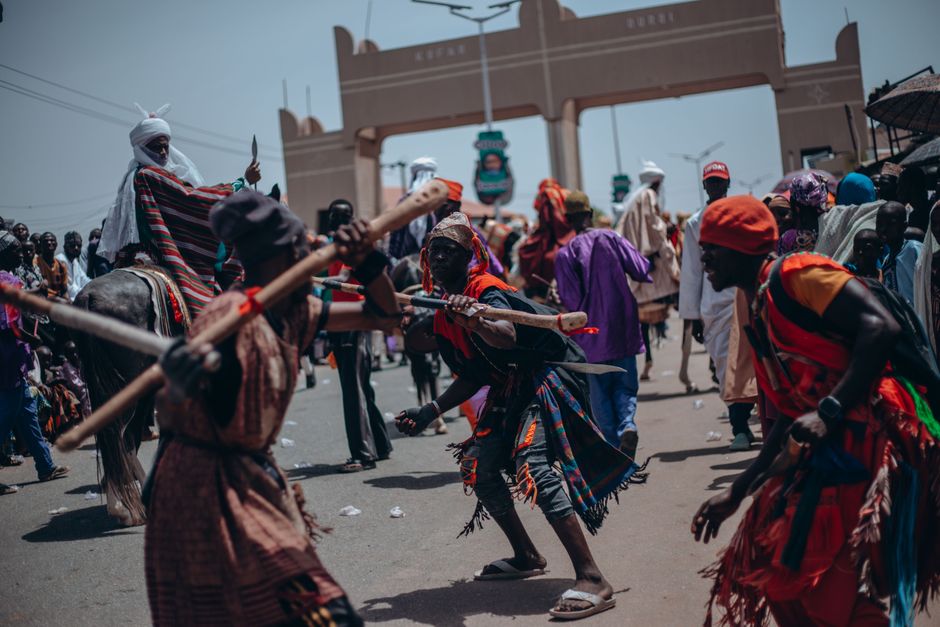
The Durbar Festival, held in the northern states, is a vibrant display of horse parades, traditional music, and cultural pageantry. It is a significant event that showcases the Hausa-Fulani culture in all its glory.
The Eyo Festival
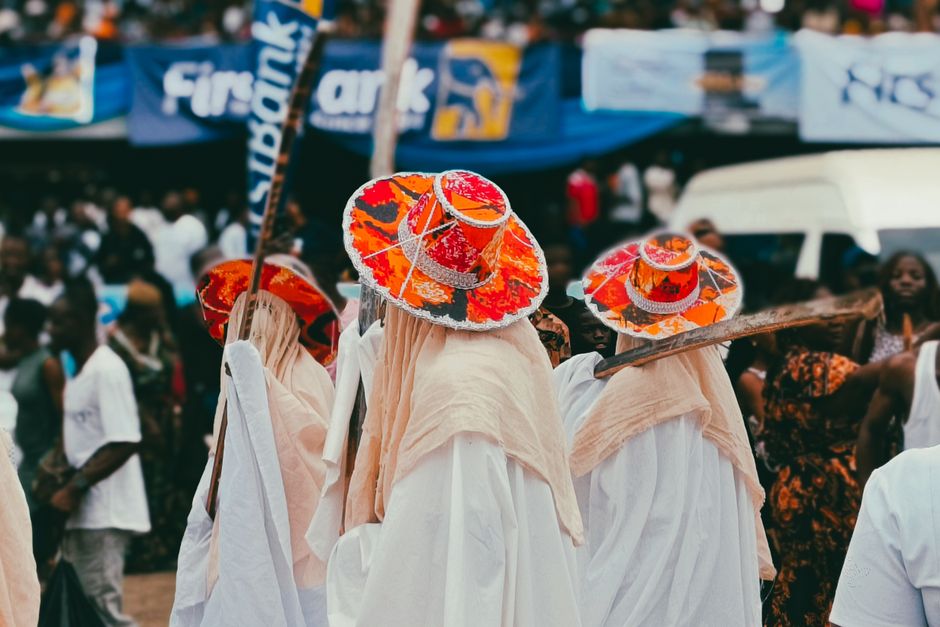
Unique to Lagos, the Eyo Festival is a spectacular parade of white-clad masqueraders, known as the Eyo, who pay homage to the spirits of ancestors. This festival is an important cultural event for the Yoruba people.
- When: Usually held in anticipation of the burial of a prominent Lagosian or a celebration of a significant event.
- Highlight: The Eyo masqueraders dancing through the streets of Lagos Island, creating a mesmerizing spectacle.
Nigerian Cuisine: A Flavorful Journey
The culinary landscape of Nigeria is as diverse as its cultures, offering a tantalizing array of flavors and dishes that reflect the country's agricultural richness and cultural diversity.
Popular Nigerian Dishes
- Jollof Rice: A staple at almost every Nigerian gathering, this spicy, tomato-based rice dish is a favorite across West Africa.
- Egusi Soup: Made from melon seeds, this savory soup is thick and hearty, often accompanied by pounded yam or fufu.
- Suya: A spicy meat skewer, Suya is a popular street food that offers a taste of Nigeria's love for well-seasoned grilled meats.
"Food is our common ground, a universal experience." – James Beard
Food in Nigeria is more than just sustenance; it is a social activity that brings people together, a way of life that reflects the cultural richness of Nigerian society.
The Role of Art and Music
Nigerian art and music are powerful expressions of the country's cultural identity. From the rhythmic beats of Afrobeat to the intricate patterns of Adire fabric, these artistic forms are central to Nigerian culture.
Fela Kuti and Afrobeat
Fela Kuti, a pioneer of Afrobeat, used his music to blend traditional African rhythms with modern jazz and funk, creating a sound that has resonated globally.
Traditional Nigerian Art
Nigeria is renowned for its traditional art forms, such as the Nok terracotta sculptures and the Benin bronze plaques, which offer a glimpse into the country's rich historical past.
- Nok Culture: One of the earliest African civilizations known for its advanced artistry in terracotta sculptures.
- Benin Bronzes: Exquisite works of art that depict the rich history and culture of the Benin Empire.
Conclusion
Exploring Nigerian culture is an enriching journey that offers insights into the diverse and vibrant traditions that shape the country's identity. From the linguistic diversity to the colorful festivals, mouth-watering cuisines, and expressive art forms, Nigerian culture is a testament to the resilience and creativity of its people.
For Nigerians and visitors alike, understanding and appreciating these cultural elements enhances the experience of living in or visiting this magnificent country. As you delve deeper into Nigeria's cultural heritage, you not only discover the beauty of its traditions but also forge a deeper connection with its people.
"Culture is the widening of the mind and of the spirit." – Jawaharlal Nehru
So, whether you're dancing at the Eyo Festival, savoring a plate of Jollof rice, or marveling at the intricate patterns of Yoruba Adire, you're participating in a cultural legacy that spans generations and continues to inspire.