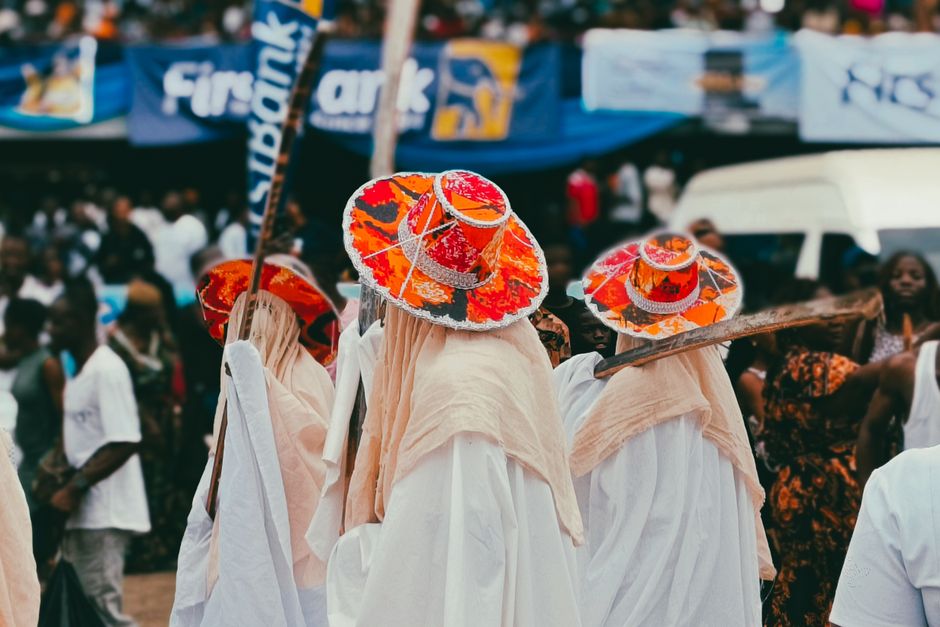
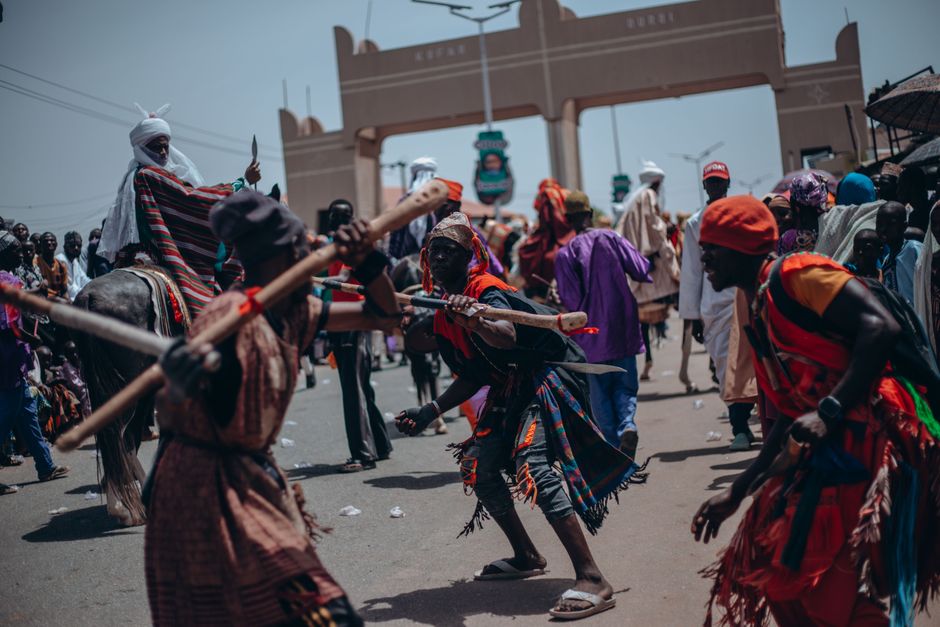
The heartbeat of Africa resonates through its rich tapestry of cultures, and nowhere is this more palpable than in Nigeria. As the most populous country on the continent, Nigeria is a melting pot of ethnic groups and traditions, each contributing to the nation's vibrant cultural landscape. From the rhythmic beats of its music to the colorful displays at its festivals, Nigeria is a place where culture is not just a backdrop but the main stage. If you're a Nigerian reader or someone intrigued by African culture, prepare to delve into a world of fascinating traditions and stories that shape this West African powerhouse.
Nigeria's cultural heritage is as diverse as its geography, ranging from the Hausa-Fulani in the north to the Igbo in the east and the Yoruba in the west. Each group brings its own set of customs, languages, and beliefs that enrich the nation's identity. In this article, we will explore some of the key aspects of Nigerian culture, providing you with a deeper understanding and appreciation for this dynamic country's traditions.
Whether you're planning a trip to Nigeria or simply curious about its cultural milieu, this article will guide you through the intricacies of Nigerian society. So, let's embark on this cultural journey together, starting with the music that pulses through the heart of Nigeria.
The Vibrant World of Nigerian Music
Nigerian Music Genres
Nigerian music is as diverse as its people, with genres ranging from traditional folk music to modern Afrobeat. Afrobeat, popularized by the legendary Fela Kuti, combines traditional African music with jazz and highlife, creating a unique sound that has gained international acclaim. Other popular genres include Juju, Fuji, and Naija pop, each with its own distinctive style and fan base.
Influential Nigerian Musicians
Many Nigerian musicians have made a significant impact both locally and globally. Artists like Burna Boy, Wizkid, and Tiwa Savage have brought Nigerian music to the world stage, while traditional artists like King Sunny Ade continue to celebrate Nigeria's rich musical heritage.
Nigerian music is not just entertainment; it's a reflection of the country's soul and a crucial part of its cultural identity.
Festivals: A Celebration of Nigerian Diversity
Popular Nigerian Festivals
- Durbar Festival: Held in the northern cities of Kano, Katsina, and Kaduna, this festival is a royal parade of horses and traditional attire, celebrating the end of Ramadan.
- Osun-Osogbo Festival: A UNESCO-recognized festival held in Osogbo, it honors the river goddess Osun with colorful rituals and gatherings.
- New Yam Festival: Celebrated by the Igbo people, this festival marks the harvest season, featuring elaborate feasts and cultural performances.
The Role of Festivals in Nigerian Culture
Festivals in Nigeria are more than just celebrations; they are a means of preserving cultural heritage and promoting unity among diverse communities. They provide an opportunity for people to reconnect with their roots and pass down traditions to future generations.
Nigerian Cuisine: A Taste of Tradition
Popular Dishes
- Jollof Rice: This West African staple is beloved across Nigeria, known for its rich flavor and vibrant color, often served at celebrations.
- Pounded Yam and Egusi Soup: A traditional dish that embodies the essence of Nigerian cuisine, featuring a thick, nutty soup paired with smooth, mashed yam.
- Suya: A spicy meat skewer, typically made with beef or chicken, seasoned with a special blend of spices and grilled to perfection.
The Cultural Significance of Food
Food in Nigeria is a symbol of hospitality and community. Sharing a meal is a way of building relationships and expressing warmth and generosity. Nigerian cuisine reflects the country's agricultural diversity and regional differences, offering a delicious way to explore its culture.
"Food is not just sustenance in Nigeria; it's a language of love and tradition that unites families and communities."
Nigerian Art and Craft: A Legacy of Creativity
Traditional Art Forms
- Woodcarving: Intricate sculptures and masks that tell stories and represent spiritual beliefs.
- Textiles: Adire and Aso Oke are traditional fabrics known for their vibrant colors and patterns, often used in ceremonial attire.
- Pottery: Decorative and functional pottery that showcases the skill and creativity of Nigerian artisans.
The Role of Art in Nigerian Society
Art in Nigeria is a means of storytelling and a way to preserve cultural narratives. It's an essential part of social and religious ceremonies, as well as a source of income and pride for many communities.
Final Thoughts
Nigeria's cultural richness is a testament to its resilience and diversity. As we journey through the vibrant music, festive celebrations, delicious cuisine, and creative arts, it's clear that culture is the beating heart of this nation. For anyone looking to understand or experience African culture, Nigeria offers a profound experience that stays with you long after you've left its borders.
Whether you're a local or a traveler, embracing Nigeria's traditions is a step towards appreciating the beauty and complexity of Africa's cultural heritage. So, dive into the sights, sounds, and tastes of Nigeria—it's an adventure you won't want to miss.