East Africa is a vibrant tapestry of rich cultures, stunning landscapes, and a textile tradition that is as colorful as it is deep. From the intricate kitenge fabrics to the elegant kikoys and kangas, the region's textile heritage is a canvas of stories woven with threads of history, tradition, and artistry. In this article, we delve into the heart of East Africa's textile industry, exploring its cultural significance, craftsmanship, and how you can experience this unique aspect of African culture firsthand.
For our Nigerian readers, this journey through East Africa's textile heritage is not just a glimpse into another part of Africa; it's a celebration of the continent's rich diversity and a reminder of the unifying threads that connect us all.
The Cultural Significance of East African Textiles
Kitenge: The Fabric of Identity
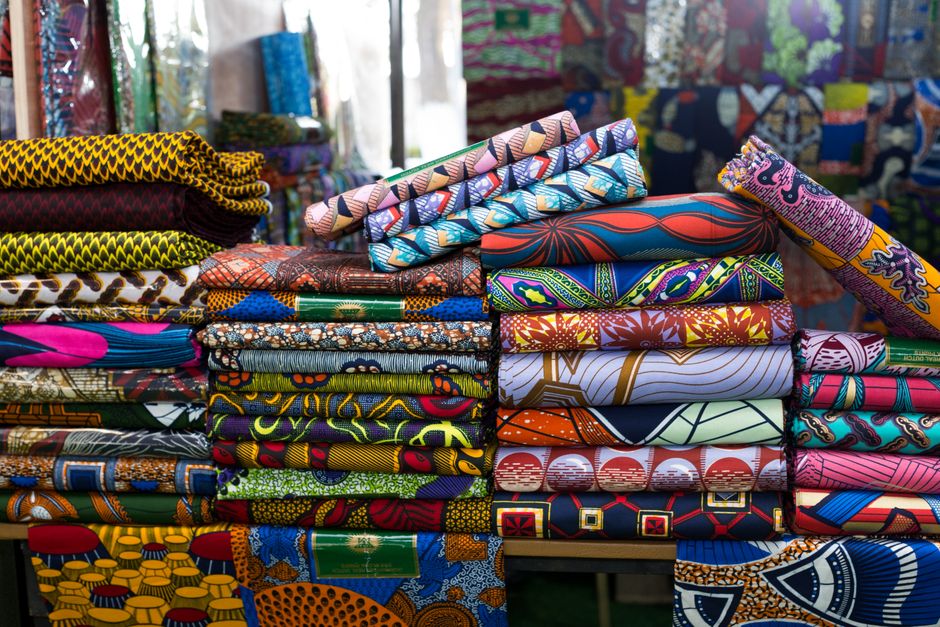
Kitenge, known for its bold patterns and vibrant colors, is more than just a piece of cloth. It is a symbol of identity and cultural expression across East Africa. Traditionally, kitenge fabrics are worn during special occasions such as weddings, festivals, and rites of passage, each pattern and color carefully chosen to convey specific messages and emotions.
Kitenge is not just fashion; it's a statement. It's how we express our joy, our sorrow, and our collective journey.
Kangas and Kikoys: Everyday Elegance
Kangas and kikoys are staples in everyday East African life. Kangas, with their distinctive border designs and Swahili proverbs, are used as garments, baby slings, and even as headscarves. Kikoys, known for their softer, more subtle designs, are often used as wraps or towels, offering both practicality and style.
- Kangas: Known for versatility and the unique messages they carry.
- Kikoys: Stylish and functional, perfect for various uses.
Exploring the Artisan Craftsmanship
Traditional Weaving Techniques
The creation of these fabrics is an art form passed down through generations. Traditional weaving techniques involve handlooms and natural dyes, producing textiles that are not only beautiful but also environmentally friendly.
Modern Innovations and Sustainability
While traditional methods hold strong, there is a growing movement towards modern innovations in textile production. Efforts to incorporate sustainable practices are gaining traction, with artisans experimenting with organic materials and eco-friendly dyes.
The fusion of tradition and innovation is what makes East African textiles truly unique. It's a testament to the region's ability to adapt while preserving its rich heritage.
Experiencing the Textile Heritage Firsthand
Markets and Workshops
For those eager to explore, visiting local markets and workshops is a must. In Nairobi, the Maasai Market offers an array of colorful textiles and the chance to meet artisans in person. Similarly, Zanzibar's Stone Town is a hub of textile artistry where visitors can watch the weaving process up close.
Cultural Tours and Festivals
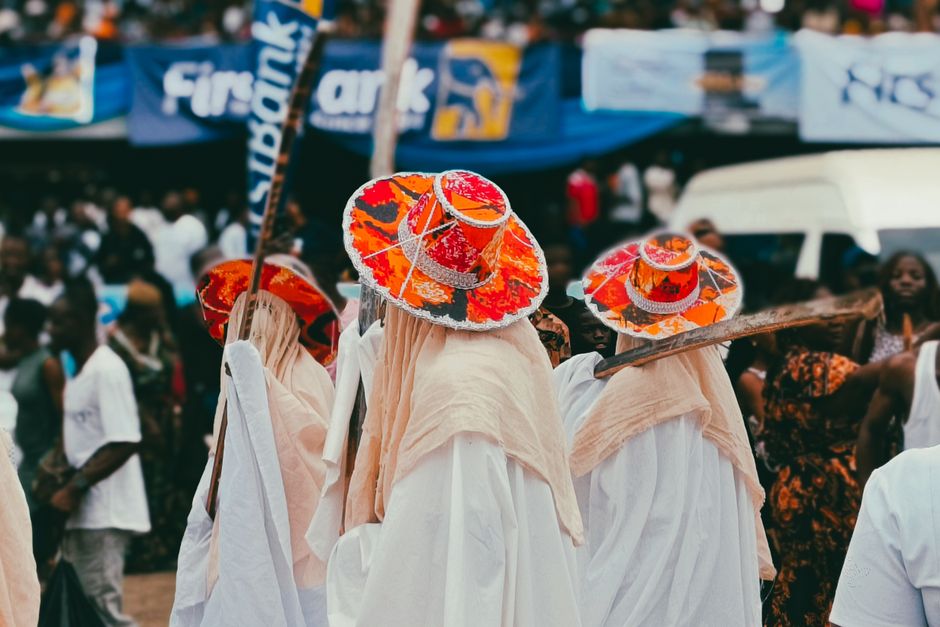
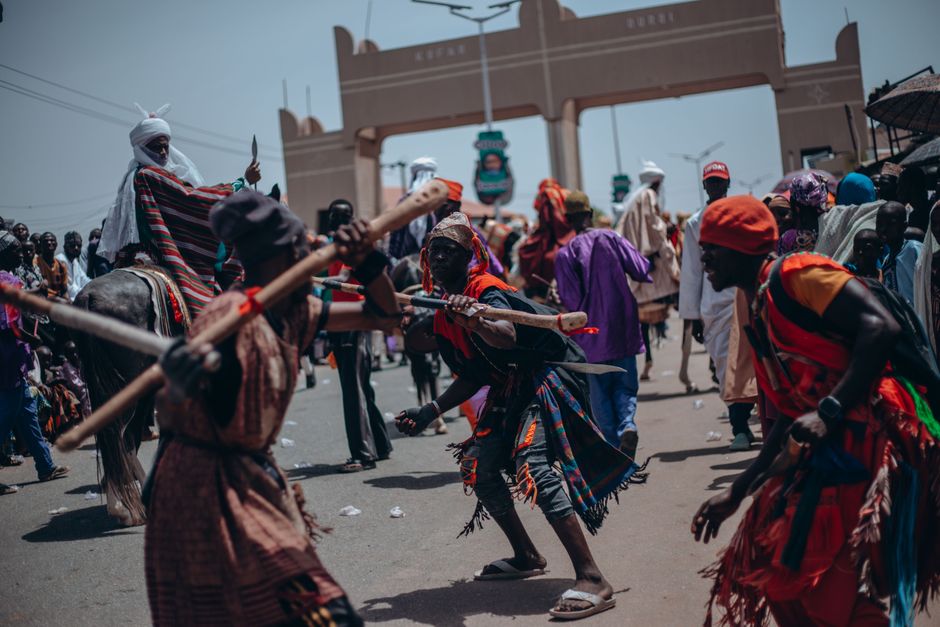
Joining a cultural tour or festival provides an immersive experience. The Lamu Cultural Festival in Kenya, for example, showcases traditional dress and offers textile workshops where visitors can try their hand at creating their own kitenge designs.
- Visit Markets: Interact with artisans and purchase authentic fabrics.
- Participate in Workshops: Learn the art of textile making from local experts.
- Attend Festivals: Experience the vibrant celebration of East African culture.
Preserving the Heritage for Future Generations
Educational Initiatives
Education plays a critical role in preserving East Africa's textile heritage. Initiatives aimed at teaching younger generations the art of weaving and dyeing are crucial. These programs ensure that the skills and traditions are not lost but rather passed on, evolving with time.
Supporting Local Artisans
Supporting local artisans by purchasing their products and sharing their stories is another way to help preserve this cultural heritage. By valuing their craft, we contribute to the sustainability of their livelihoods and the continuation of their traditions.
Every purchase is a vote for a vibrant future for East Africa's textile artisans. It's an investment in cultural preservation.
Final Thoughts
East Africa's textiles are more than just a feast for the eyes; they are a testament to the region's rich cultural tapestry. By exploring and appreciating these fabrics, we not only celebrate the artistry and heritage of East Africa but also connect with the deeper, unifying threads of African culture. Whether you're draping yourself in a kitenge, wrapping a kikoy, or pondering the words on a kanga, remember that you're part of a larger story, one that is as intricate and colorful as the textiles themselves.