Nigeria is a land of remarkable diversity, where centuries-old traditions intertwine with vibrant modernity, creating a unique cultural mosaic. Many Nigerian readers will find familiar echoes of home in this rich tapestry, yet there are always new layers to discover and appreciate. Whether it's the spirited rhythms of Afrobeat, the bold colors of traditional attire, or the profound wisdom of ancient proverbs, Nigeria is a feast for the senses and the soul. Embark on this cultural journey with us as we delve into the essence of Nigeria's traditions, illuminating the beauty and depth of this West African nation.
As one of the most populous countries in Africa, Nigeria is home to over 250 ethnic groups, each contributing its unique customs and traditions. This diversity is not only a source of national pride but also a wellspring of cultural richness that defines Nigeria's identity on the global stage. For Nigerians and visitors alike, understanding these cultural nuances offers a deeper appreciation of Nigeria's vibrant society and its contributions to global culture.
The Foundations of Nigerian Culture
Nigerian culture is rooted in a complex interplay of history, geography, and ethnic diversity. The country's strategic location along the West African coast has historically made it a crossroads of trade and cultural exchange, leading to a vibrant blend of influences from within Africa and beyond.
Ethnic Diversity and Heritage
Nigeria's vast ethnic diversity is reflected in its myriad languages, dialects, and cultural practices. The three largest ethnic groups—the Hausa-Fulani in the north, the Yoruba in the southwest, and the Igbo in the southeast—each boast rich traditions that have been passed down through generations.
For example, the Yoruba people are renowned for their elaborate festivals and paramount chiefs, while the Igbo are known for their entrepreneurial spirit and vibrant masquerades. The Hausa-Fulani, on the other hand, have a long history of Islamic scholarship and traditional crafts such as leatherwork and weaving.
Language and Communication
Language plays a pivotal role in Nigerian culture, with over 500 languages spoken across the country. While English serves as the official language, enabling communication across diverse groups, indigenous languages such as Yoruba, Igbo, and Hausa are widely spoken and are essential carriers of cultural identity.
"Language is the key to unlocking the heart of a culture."
Traditional Attire and Fashion
Nigerian fashion is a vibrant expression of cultural identity and social status. Traditional attire varies across regions and ethnicities, often serving as a symbol of heritage and pride. Whether it's the elegant agbada of the Yoruba, the colorful ankara prints worn nationwide, or the distinctive isiagu of the Igbo, clothing in Nigeria is as diverse as the people themselves.
The Role of Textiles
Textiles play a significant role in Nigerian culture, with fabrics such as aso-oke, ankara, and adire being particularly popular. These fabrics are often used to create eye-catching outfits for special occasions, showcasing the wearer's taste and cultural affiliation.
- Aso-Oke: A hand-woven cloth from the Yoruba people, often used for ceremonial garments.
- Ankara: Known for its bold patterns and colors, this fabric is widely used in everyday and formal attire.
- Adire: A traditional Yoruba fabric dyed using indigo, known for its intricate patterns.
Fashion and Identity
For many Nigerians, fashion is not just about looking good; it's a statement of identity and a means of cultural expression. Designers across the country are blending traditional and modern elements, creating a dynamic fashion scene that resonates both locally and internationally.
Festivals and Celebrations
Nigeria's cultural calendar is replete with festivals and celebrations that reflect the country's rich heritage and communal spirit. These events are an opportunity for Nigerians to come together, celebrate their unique identities, and share their traditions with the world.
Yam Festival
The New Yam Festival, celebrated primarily by the Igbo people, marks the end of the rainy season and the beginning of the harvest. It's a time for thanksgiving, feasting, and community gatherings, with traditional performances and masquerades creating a festive atmosphere.
Eyo Festival
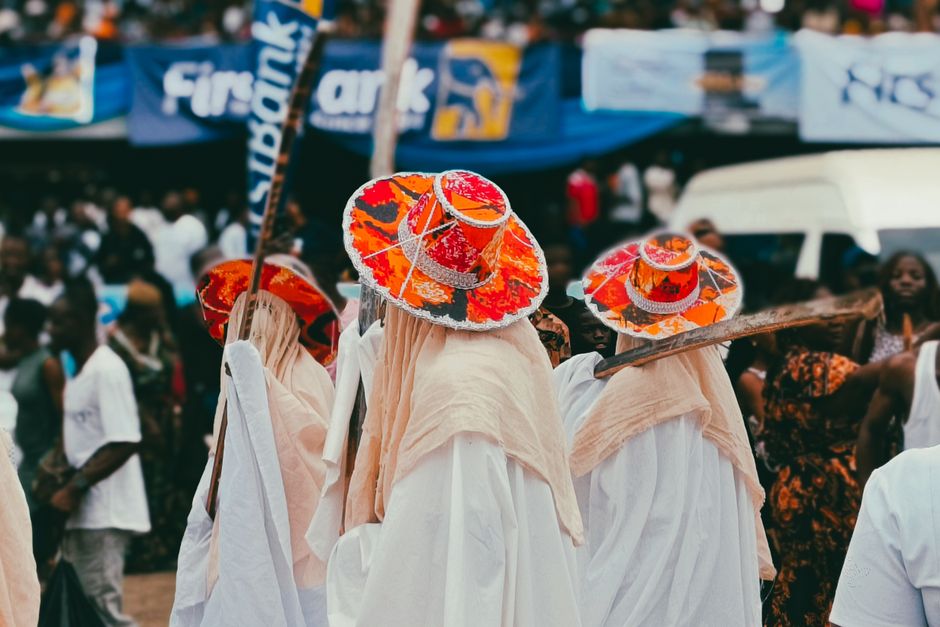
The Eyo Festival, held in Lagos, is a vibrant cultural event that features a procession of participants clad in white robes and masks. The festival honors the ancestors and celebrates the island's rich history, drawing visitors from across Nigeria and beyond.
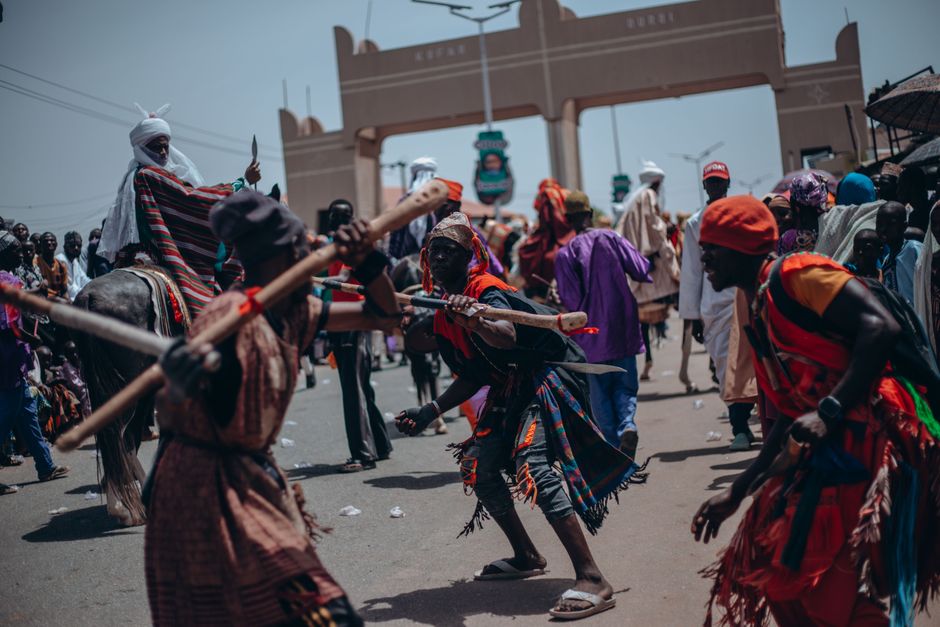
- Durbar Festival: A grand celebration featuring horse parades, music, and dance, held at the end of Ramadan in northern Nigeria.
- Osun-Osogbo Festival: A two-week-long celebration of the river goddess Osun, held in Osogbo, featuring traditional rituals and performances.
Nigerian Cuisine: A Culinary Journey
Nigerian cuisine is a tantalizing blend of flavors, reflecting the country's diverse cultures and the bounty of its fertile land. From spicy soups to hearty stews, Nigerian food is as varied as it is delicious, offering something for every palate.
Staple Dishes and Ingredients
Staple foods such as rice, yams, and cassava form the foundation of many Nigerian meals. These are often accompanied by rich, flavorful stews and soups, such as egusi, ogbono, and banga, which are made with ground seeds or nuts and a variety of spices.
- Jollof Rice: A beloved one-pot dish made with rice, tomatoes, and spices.
- Pounded Yam: A smooth, dough-like food often served with soups.
- Suya: A popular street food featuring spiced, grilled meat skewers.
Food and Social Bonds
In Nigeria, food is more than sustenance; it's a means of bringing people together and strengthening social bonds. Meals are often shared with family and friends, with each dish serving as a reminder of cultural heritage and communal ties.
Art and Storytelling
Nigerian art and storytelling are rich in symbolism and meaning, capturing the essence of the country's cultural heritage. From traditional crafts to contemporary art, Nigerian artists and storytellers draw inspiration from their roots, creating works that resonate with audiences worldwide.
Traditional Art Forms
Traditional Nigerian art forms, such as sculpture, pottery, and beadwork, are deeply rooted in the country's cultural and spiritual beliefs. These crafts are often used in religious ceremonies and as symbols of social status, showcasing the skill and creativity of Nigerian artisans.
"Art is a reflection of culture and a window into the soul of a people."
Modern Nigerian Art
In recent years, Nigerian art has gained international acclaim, with contemporary artists exploring themes of identity, politics, and globalization. The vibrant art scene in cities like Lagos and Abuja is a testament to Nigeria's dynamic cultural landscape and its growing influence on the global art stage.
Final Thoughts
Nigeria's cultural richness is a testament to its resilience and creativity, a reflection of the diverse voices and traditions that make up this West African nation. As we journey through its traditions, we gain a deeper appreciation for the tapestry of Nigerian culture and the vibrant spirit of its people. Whether you're a local or a visitor, there's always more to discover in Nigeria's cultural heart, where every festival, dish, and piece of art tells a story of identity, community, and heritage.