East Africa is a treasure trove of cultural richness that beckons with its vibrant traditions, diverse customs, and historical landmarks. For many Nigerian travelers, discovering the cultural depth of countries like Kenya, Tanzania, and Uganda offers a unique perspective that resonates with our own cultural heritage. Whether you're interested in traditional music, dance, culinary experiences, or historical explorations, East Africa promises a journey filled with learning and excitement.
Imagine wandering through bustling markets, where the aroma of freshly ground spices mingles with the sounds of local dialects, or witnessing the power of a Maasai dance, a testament to age-old traditions passed down through generations. This journey into East African culture is not just about observation; it is an invitation to participate, learn, and appreciate the distinct yet relatable cultural practices that form the backbone of this region.
In this article, we'll delve into various aspects of East African culture that are sure to captivate your imagination and inspire your next travel adventure. From the sacred rituals of ancient tribes to the modern-day fusion of cultures in urban centers, let's embark on a cultural odyssey through East Africa.
The Rhythm of East African Music and Dance
Traditional Musical Instruments
Music is the heartbeat of East African culture, a universal language that connects communities and showcases their unique identities. Traditional instruments like the Nyatiti from Kenya or the Entenga drums from Uganda are just a few examples of the rich musical tapestry that defines the region.
- Nyatiti: This traditional eight-stringed lyre is popular among the Luo people of Kenya. It's often played during celebrations and storytelling sessions.
- Entenga: These are royal drums from Uganda, traditionally used in court music to entertain kings and queens.
The Art of Dance
Dance in East Africa is not merely an art form; it's a cultural narrative that conveys stories, emotions, and traditions. Each tribe and community has its distinct dance, reflecting their history and values.
"To dance is to communicate with the spirit of the earth." – East African Proverb
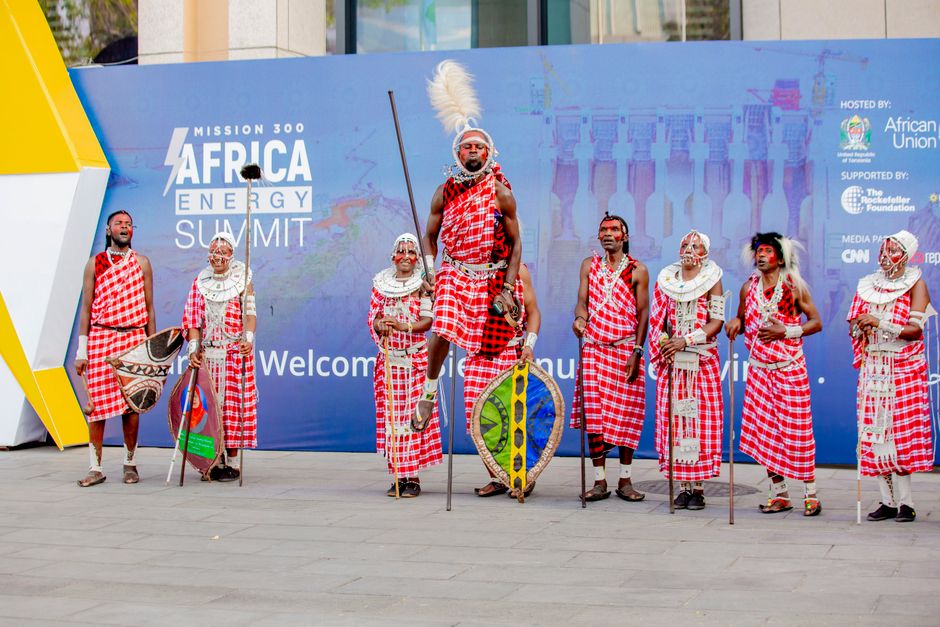
The Maasai Adumu, commonly referred to as the "jumping dance," is perhaps the most iconic, symbolizing strength and unity within the Maasai community.
Gastronomic Adventures: East African Cuisine
Staple Foods and Ingredients
The culinary landscape of East Africa is diverse, with each country offering its own unique flavors and dishes. The use of local ingredients like maize, cassava, and plantains forms the base of many traditional meals.
- Ugali: A staple across East Africa, this maize-based dish is similar to Nigeria's fufu and is often served with stews and vegetables.
- Nyama Choma: A popular barbecue dish in Kenya, featuring grilled meats seasoned with local spices, it's akin to Nigeria’s suya but with a distinct East African twist.
Regional Delicacies
Exploring East African cuisine is an adventure in itself, with each region offering specialties that reflect their cultural heritage. In Tanzania, you might savor a plate of Zanzibar Pilau, a fragrant rice dish infused with spices and often accompanied by seafood.
Exploring Historical and Cultural Landmarks
World Heritage Sites
East Africa is home to numerous UNESCO World Heritage Sites that offer a glimpse into the region's rich history. From the rock-hewn churches of Lalibela in Ethiopia to the ancient ruins of Kilwa Kisiwani in Tanzania, these sites tell stories of ancient civilizations and enduring legacies.
Local Festivals and Celebrations
Festivals in East Africa are vibrant expressions of culture and community. Events like the Lake Turkana Festival in Kenya or the Sauti za Busara music festival in Zanzibar are perfect occasions to immerse yourself in local traditions and festivities.
The Intersection of Tradition and Modernity
The Urban Cultural Scene
In cities like Nairobi and Kampala, modernity meets tradition, creating a unique cultural blend. Art galleries, theaters, and music venues showcase contemporary interpretations of traditional East African culture, offering a fresh perspective on age-old customs.
The rise of Afrobeat and hip-hop has also influenced the music scene, with local artists incorporating traditional rhythms and instruments into their modern compositions.
Cultural Preservation Efforts
Efforts to preserve and promote traditional cultures are evident across East Africa. Initiatives by local governments and NGOs focus on education, documentation, and revitalization of endangered cultural practices.
"Preserving our culture is preserving our identity." – Cultural Activist, East Africa
Conclusion
East Africa's cultural landscape is a rich tapestry woven from the threads of history, tradition, and modernity. For Nigerian travelers, exploring this region offers a profound opportunity to connect with cultures that are both distinct and familiar. From the pulsating rhythms of traditional music and dance to the tantalizing flavors of local cuisine, East Africa promises a journey of discovery and connection.
As you plan your next travel adventure, consider the cultural treasures of East Africa as your destination. Embrace the stories, participate in the dances, taste the flavors, and let the magic of East African culture enrich your understanding of the world.