When you think about Nigeria, there's a richness that immediately comes to mind. From its diverse ethnic groups to its dynamic cities, Nigeria is a tapestry of cultures. Among these, the Yoruba people stand out prominently, known for their deep-rooted traditions, vibrant festivals, and stunning craftsmanship. Whether you're a seasoned traveler or someone yearning to delve into African heritage, exploring Yoruba culture offers a profound understanding of Nigeria's historical and cultural landscape.
The Yoruba are one of the largest ethnic groups in Africa, predominantly occupying southwestern Nigeria. Their influence stretches beyond borders, encapsulating a rich history steeped in art, music, religion, and more. This article will take you through the essence of the Yoruba culture, guiding you through their traditions, festivals, and everyday life.
Historical Background of the Yoruba
The history of the Yoruba people is fascinating and complex. As one of Nigeria's major ethnic groups, their history dates back centuries, with roots in powerful kingdoms like Ife and Oyo.
The Kingdom of Ife
The ancient city of Ife is often regarded as the spiritual heartland of the Yoruba civilization. It is believed to be the place where the gods descended to earth, according to Yoruba mythology.
Ife is renowned for its art, particularly the exquisite bronze and terracotta sculptures that date back to the 11th century. These artifacts reflect the sophisticated artistry of the Yoruba people, depicting kings and deities in lifelike form.
The Oyo Empire
The Oyo Empire was another significant Yoruba state, known for its military prowess and political influence. It played a crucial role in the region's history from the 14th to the 19th century.
Under the leadership of the Alaafin, or king, Oyo expanded its territory and influence through strategic alliances and warfare, leaving a lasting legacy on the political landscape of West Africa.
Yoruba Religion and Beliefs
At the core of Yoruba culture is their vibrant religion, which encompasses a pantheon of gods and goddesses known as Orishas. The Yoruba believe in a supreme deity, Olodumare, who is the creator of the universe.
The Orishas
The Orishas are revered spirits that embody various aspects of life and nature. Each Orisha has its own domain, personality, and stories, contributing to the rich tapestry of Yoruba mythology.
- Shango: The god of thunder and lightning, known for his fiery temper and warrior spirit.
- Ogun: The god of iron and war, a master craftsman who provides strength and protection.
- Oshun: The goddess of love, fertility, and rivers, celebrated for her beauty and kindness.
Yoruba religious practices are rich in rituals, songs, and dances, often performed during festivals and ceremonies to honor the Orishas and seek their favor.
The Impact of Religion on Daily Life
Religion is intricately woven into the fabric of Yoruba society. It influences daily activities, from naming ceremonies to weddings and funerals, reflecting the deep spiritual connection the Yoruba maintain with their deities and ancestors.
The Yoruba's belief system provides a sense of identity and continuity, linking past generations with the present and future.
Festivals and Celebrations
The Yoruba culture is synonymous with colorful festivals that draw locals and tourists alike. These celebrations are an expression of joy, community, and spiritual devotion.
Osun-Osogbo Festival
Perhaps one of the most famous Yoruba festivals is the Osun-Osogbo Festival, held annually in honor of the goddess Osun. This two-week celebration includes traditional music, dancing, and rituals performed along the sacred Osun River.
Attending this festival offers a unique opportunity to witness the Yoruba people's dedication to their heritage and the preservation of their natural resources.
Eyo Festival
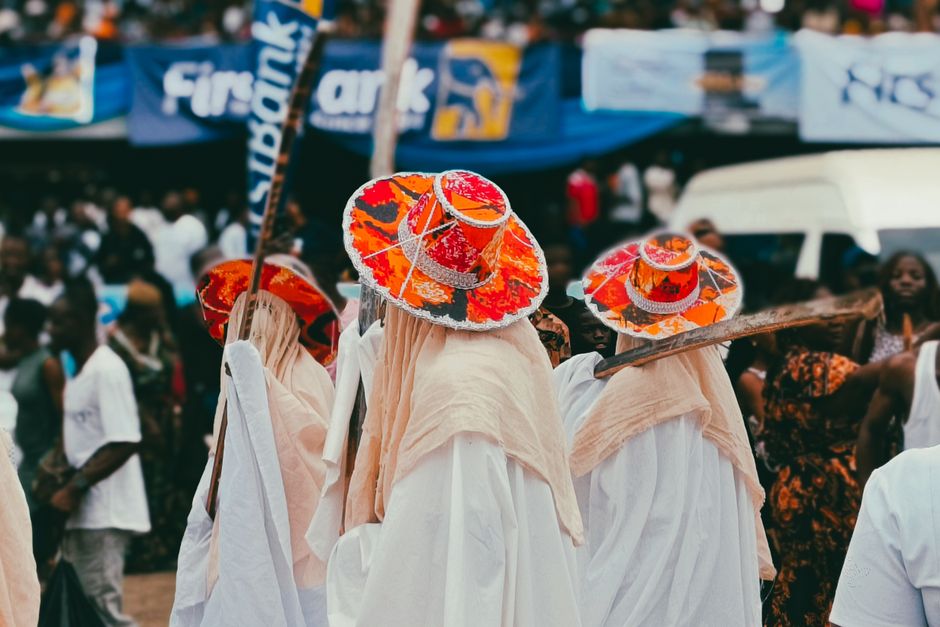
Another captivating festival is the Eyo Festival, also known as the Adamu Orisha Play, celebrated in Lagos. Participants dressed in white regalia and wide-brimmed hats parade through the streets, creating a spectacle of color and culture.
This festival is not only a religious event but also a significant tourist attraction, showcasing the grandeur and unity of the Yoruba community.
Art and Craftsmanship
The Yoruba people are renowned for their artistic expressions, which include woodcarving, weaving, beadwork, and metalwork. Their art is not only visually stunning but also deeply symbolic, reflecting their beliefs and values.
Adire Fabric
One of the most iconic Yoruba crafts is Adire, a traditional tie-dye fabric. This intricate textile art involves creating patterns on fabric using resist-dyeing techniques.
Adire fabrics are widely worn in Nigeria and beyond, admired for their vibrant colors and unique motifs, each telling a story or conveying a message.
Sculpture and Carvings
Yoruba woodcarving is another testament to their artistic prowess. From masks to door panels, Yoruba carvings are characterized by their intricate details and spiritual significance.
These artworks often depict gods, ancestors, and historical figures, serving as a bridge between the physical and spiritual worlds.
Yoruba art is a celebration of life, capturing the essence of their culture and preserving it for future generations.
Conclusion
Exploring the culture of the Yoruba people is like embarking on a journey through time. Their traditions and art are not just remnants of the past; they are vibrant, living expressions that continue to influence and inspire.
Whether you're visiting Nigeria or exploring Yoruba culture from afar, there's a wealth of knowledge and beauty to be discovered. The Yoruba people are a testament to the resilience and creativity that define African cultures, offering a glimpse into a world where history, art, and spirituality converge.