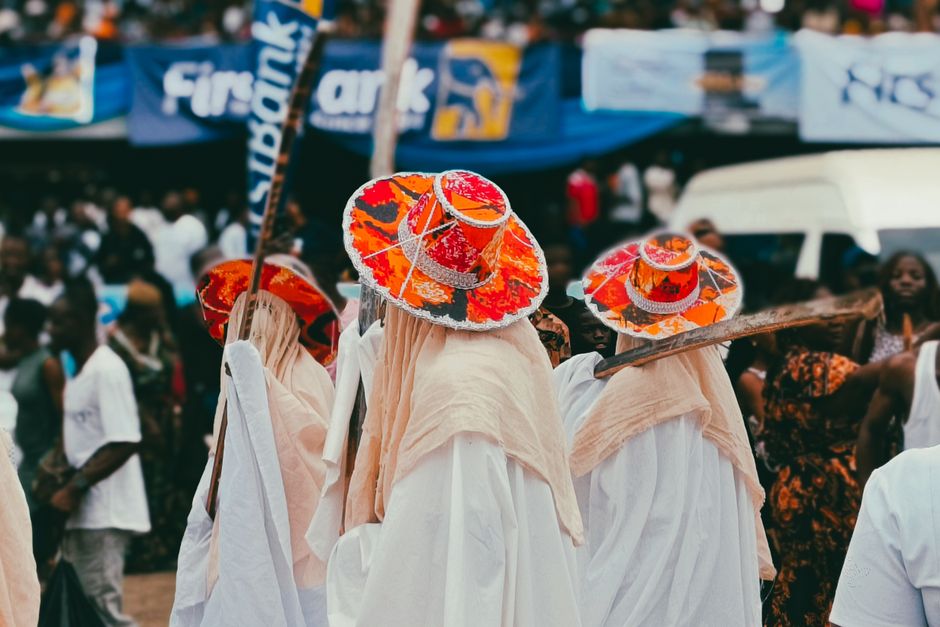
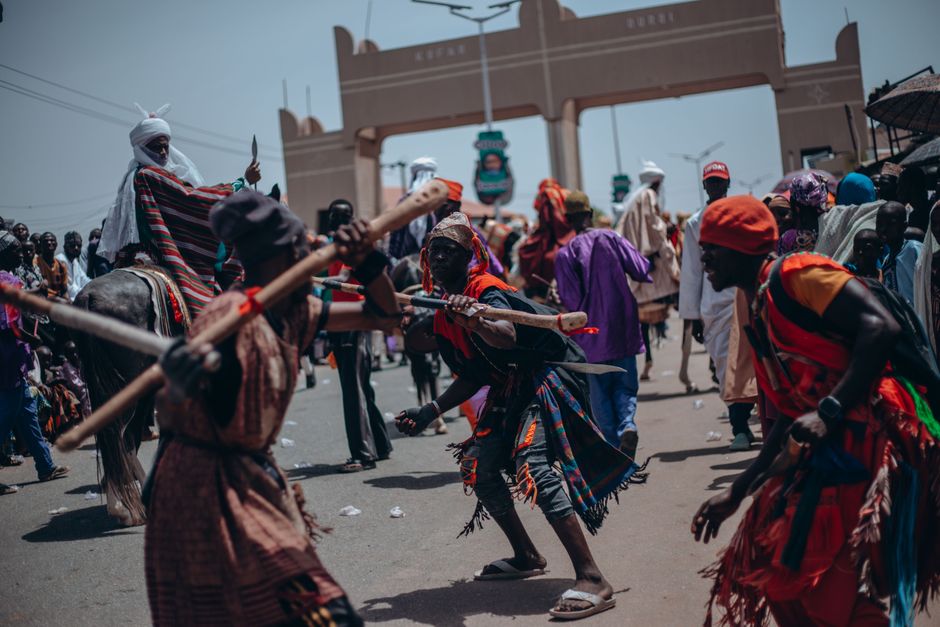
East Africa beckons with its rich tapestry of cultures, languages, and historical landmarks, offering a captivating journey into the past and present of this vibrant region. For Nigerian travelers seeking to explore beyond the familiar, East Africa promises an enlightening experience that blends traditional customs with contemporary dynamism. From the bustling markets of Nairobi to the serene landscapes of the Serengeti, the cultural diversity and historical depth are truly remarkable.
In this guide, we'll delve into the cultural nuances and historical treasures that define East Africa, providing Nigerian travelers with insights and tips to enhance their journey. Whether you're captivated by the ancient civilizations or the bustling city life, East Africa offers a unique blend of experiences that cater to all interests.
The Vibrant Cultures of East Africa
Languages and Communication
East Africa is a linguistic mosaic, with languages like Swahili, English, and various indigenous dialects spoken across the region. Swahili, in particular, serves as a lingua franca, bridging diverse communities and making communication easier for travelers. Nigerian visitors will find the hospitality of East Africans welcoming, as many locals are eager to share their language and culture with newcomers.
Traditional Music and Dance
The rhythmic beats of traditional music and dance are integral to East African culture. From the Maasai's energetic jumping dance to the soulful Ugandan Kadodi, music and dance provide a window into the region's rich cultural heritage.
- Tip: Attend local festivals or community gatherings to experience these performances firsthand.
- Insight: Each ethnic group has its distinct musical style, reflecting its unique cultural identity.
Exploring Historical Landmarks
The Ancient City of Axum
Axum, located in modern-day Ethiopia, was once the heart of the Aksumite Empire. This ancient city is renowned for its towering obelisks, royal tombs, and the legendary Ark of the Covenant. A visit to Axum offers a glimpse into one of Africa's greatest civilizations.
Zanzibar's Stone Town
Zanzibar's Stone Town is a UNESCO World Heritage site that encapsulates East Africa's rich history of trade and cultural exchange. Wander through its narrow alleys and discover beautifully carved wooden doors, bustling bazaars, and historical palaces.
"Zanzibar is not only a place of stunning beaches but also a melting pot of cultures and history."
Culinary Journeys in East Africa
Delicious Swahili Cuisine
Swahili cuisine is a delightful blend of African, Arab, and Indian influences. Nigerian food lovers will appreciate dishes such as pilau, a spiced rice dish, and samosas, a popular snack filled with savory fillings.
- Tip: Visit local markets to sample fresh produce and spices unique to the region.
- Must-Try: Ugali, a staple made from maize flour, often served with meat or vegetable stews.
Wildlife and Natural Wonders
The Serengeti Migration
The Serengeti National Park in Tanzania hosts one of the most spectacular wildlife migrations on earth. Witness millions of wildebeest, zebras, and gazelles as they journey across the plains in search of fresh grazing grounds.
Mount Kilimanjaro
Standing as Africa's highest peak, Mount Kilimanjaro offers adventurers the thrill of climbing to its snow-capped summit. This iconic mountain symbolizes the natural beauty and challenge that East Africa presents.
Conclusion
East Africa is a land of contrasts, where ancient traditions meet modern innovation, and natural wonders coexist with cultural richness. For Nigerian travelers, exploring East Africa provides an opportunity to connect with a diverse tapestry of cultures and histories while gaining new perspectives and unforgettable experiences. Whether you're drawn to the allure of historical landmarks, the vibrancy of local customs, or the serenity of natural landscapes, East Africa promises a journey that resonates with every traveler.